Understanding Garapa Hardwood for Terrace Applications
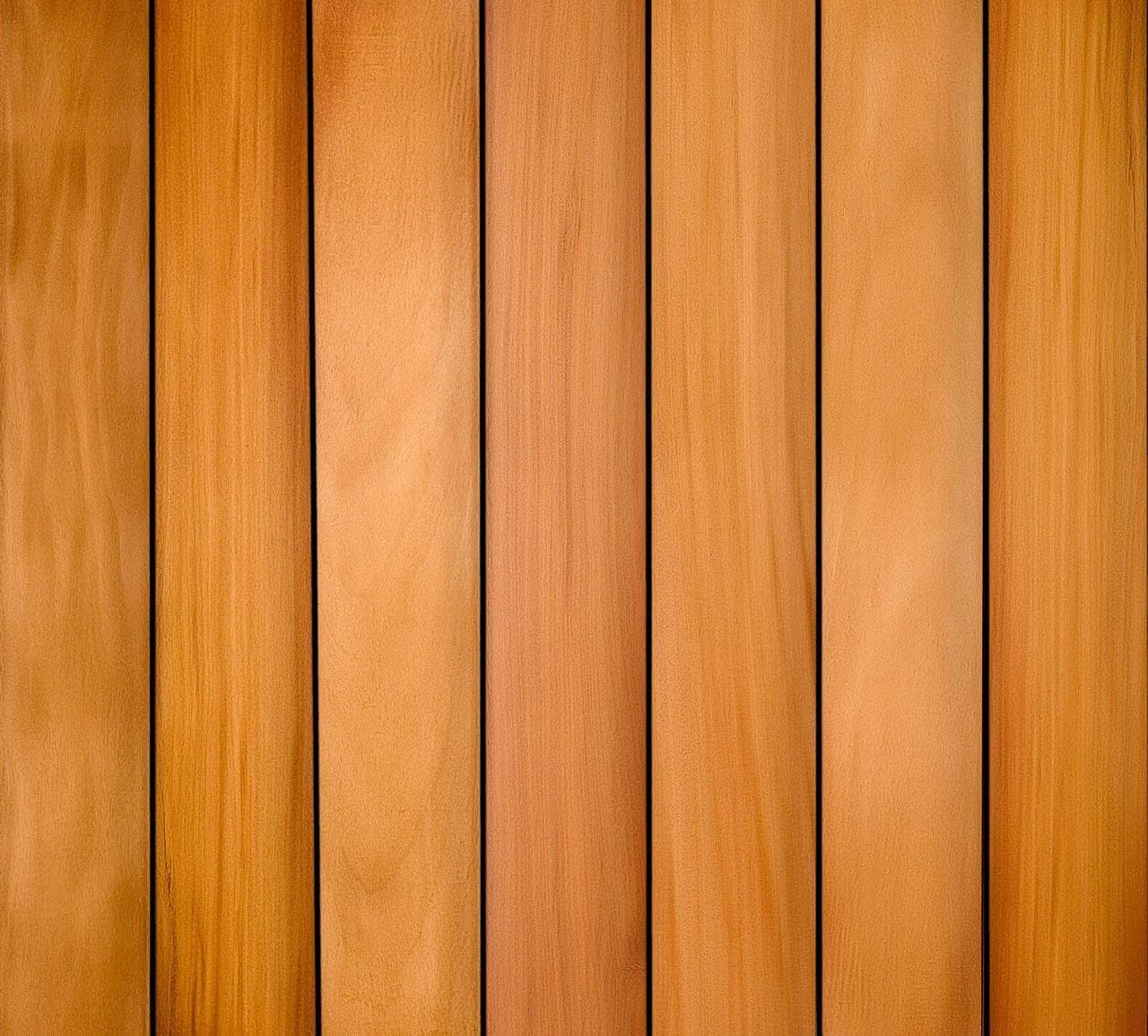
Garapa, also known as Brazilian Ash, is a tropical hardwood sourced from Brazil. It is characterized by its golden color, which can bring a warm and modern aesthetic to any exterior design. For terrace applications, its natural properties are a key consideration. Garapa is described as very durable, with natural resistance to rot, decay, and insects, potentially reducing the need for constant chemical treatments. This characteristic can be particularly appealing for outdoor spaces exposed to varying weather conditions.
The wood's air dry density is approximately 4.11 lbs/bf. It is also noted for being scratch and slip resistant, with minimal splintering. These attributes contribute to its suitability for walkable surfaces like terraces where comfort and safety are important. Garapa is available in profiles such as 5/4"x6" (1" x 5.5"), often kiln-dried, and in lengths ranging from 3 to 24 feet, offering flexibility for design layouts.
While Garapa is resistant to nailing and screwing due to its density, it glues easily. This suggests that careful planning for fasteners is necessary, often involving pre-drilling. Its reported fire rating is also a factor to consider for some outdoor applications.
Terrace Design Considerations for Springfield, IL
When planning a terrace in Springfield, IL, several factors specific to the local environment and common architectural styles can influence your design choices. Terraces often serve as transitional spaces between indoor and outdoor areas, or as standalone elevated platforms for relaxation and entertainment. Consider the existing architecture of your home or building; Garapa's golden hue can complement both traditional and contemporary designs.
Sun exposure is a critical aspect. A terrace facing south or west in Springfield might experience significant sun, potentially leading to material fading over time if not protected. While Garapa has a natural golden color, all hardwoods will eventually silver or gray if left untreated. If maintaining the golden color is a priority, regular application of a UV-inhibiting finish would be necessary. Conversely, a shaded terrace might benefit from the wood's natural resistance to mold and decay.
Drainage is also paramount. Terraces should be designed with a slight slope to ensure water runoff, preventing pooling that could affect the decking's longevity. Proper ventilation beneath the deck boards is also important to prevent moisture buildup. The layout of your terrace should also consider how it integrates with surrounding landscaping, walkways, and any existing structures.
Worked Example: Designing a 10x12 Foot Terrace with Garapa Decking
Let's consider a hypothetical 10-foot by 12-foot terrace project in Springfield, IL, designed for a small seating area. The homeowner wants a classic linear board layout with 5/4"x6" (1" x 5.5") Garapa decking.
First, calculate the number of boards needed across the 10-foot width. The actual width of each board is 5.5 inches. Ten feet is 120 inches. Dividing 120 inches by 5.625 inches per board module yields approximately 21.33. This means we'll need 22 full boards to cover the 10-foot width, with the last board requiring a rip cut.
Since the terrace length is 12 feet, and we are using 12-foot long boards, each of the 22 boards will be a full length. Therefore, for this 10x12 foot terrace, you would purchase 22 boards of 5/4"x6" Garapa decking at 12 feet long. This calculation does not include any extra material for cuts, mistakes, or future repairs; it is generally advisable to add 5-10% for waste.
For the sub-structure, joists would typically be spaced according to local building codes and manufacturer recommendations for the specific decking profile. This example focuses solely on the decking material quantity. The design would also need to account for fascia boards for the perimeter, which could be made from the same Garapa material for a cohesive look.
Planning for Installation and Fasteners
Garapa's density means that pre-drilling is typically recommended for all fastening applications to prevent splitting, especially when using screws. While it resists nailing and screwing, it glues easily, which might be a consideration for certain joinery details.
For decking, hidden fastening systems are popular for a clean, uninterrupted surface appearance. These systems often involve clips that attach to the side of the boards and secure them to the joists. Alternatively, face fastening involves screwing directly through the top of the board into the joist. If face fastening, consider using stainless steel screws to resist corrosion, especially given Springfield's seasonal climate changes.
Regardless of the fastening method, proper joist spacing and a level, stable substructure are essential for a durable and safe terrace. Always refer to the specific manufacturer's installation guidelines for Garapa decking and the chosen fastening system to ensure correct application and spacing.
Finishing and Maintenance for Garapa Decking
Garapa's natural golden color can be maintained through regular application of a UV-inhibiting oil finish. Without treatment, the wood will naturally weather to a silver-gray patina over time. This natural aging process is often desired for a low-maintenance aesthetic, but it's a deliberate choice.
Maintenance for Garapa is described as minimal, with no constant chemical treatment needed due to its natural resistance to rot, decay, and insects. However, regular cleaning to remove dirt, debris, and mildew is recommended to preserve its appearance and prevent surface damage. Use a mild cleaner and soft-bristle brush, following product instructions carefully.
Before applying any finish or cleaner, always test it on an inconspicuous area of the decking to ensure compatibility and desired results. Understanding the long-term finish goals for your Garapa terrace will help in selecting the appropriate products and establishing a maintenance routine.
Before you order
- Determine the primary function and desired aesthetic of your terrace.
- Measure your terrace area accurately, accounting for irregular shapes or existing structures.
- Consider the amount of sun exposure and its impact on the wood's color.
- Decide between maintaining the golden color with a finish or allowing the wood to naturally silver.
- Plan for proper drainage and ventilation underneath the decking.
- Choose between hidden fasteners for a smooth surface or face screws for a more traditional look.
- Calculate the required number of Garapa boards, including a waste factor.
- Identify any complementary materials like fascia boards or railings.
- Research local building codes and structural requirements for deck construction.
- Request physical samples of Garapa to assess its color and grain in your project's light.
Confirm installation details, approved uses and warranty terms in the current instructions for the exact product and profile. Your installer should verify the substrate, structure and applicable project requirements.
This is a planning guide for projects in Springfield, IL. Ask our team to confirm availability, delivery to your ZIP code and which branch can support your order.
Questions to help you decide
How does Garapa decking perform in Springfield, IL's climate?
Garapa is a durable hardwood with natural resistance to weather changes and decay, which can be beneficial in Springfield's varied climate. However, like all outdoor wood, it will benefit from proper installation, drainage, and ventilation to manage moisture and temperature fluctuations. If left untreated, its golden color will naturally weather to a silver-gray patina over time.
What profiles of Garapa decking are available?
Garapa decking is commonly available in profiles such as 5/4"x6" (actual 1" x 5.5"), with a grooved option sometimes offered. Board lengths typically range from 3 to 24 feet, providing flexibility for various terrace dimensions and designs. Always confirm current availability and specific dimensions when planning your project.
Is Garapa decking difficult to install for a DIY project?
Garapa is described as easy to work with, but its density means that pre-drilling is necessary for all screw and nail applications to prevent splitting. This requirement adds an extra step compared to softer woods. If you have experience with woodworking and have the right tools, a DIY installation is feasible, but professional installation is always an option for complex designs or if you prefer expert handling. It resists nailing and screwing, but glues easily.
Ready to Plan Your Garapa Terrace Project?
For your Springfield, IL terrace project, request a material quote today. Provide your project dimensions, desired Garapa profile, and ZIP code to confirm current availability and service options. Explore our full range of decking options including Garapa, Ipe, composite, and PVC decking.
Request a material quote →