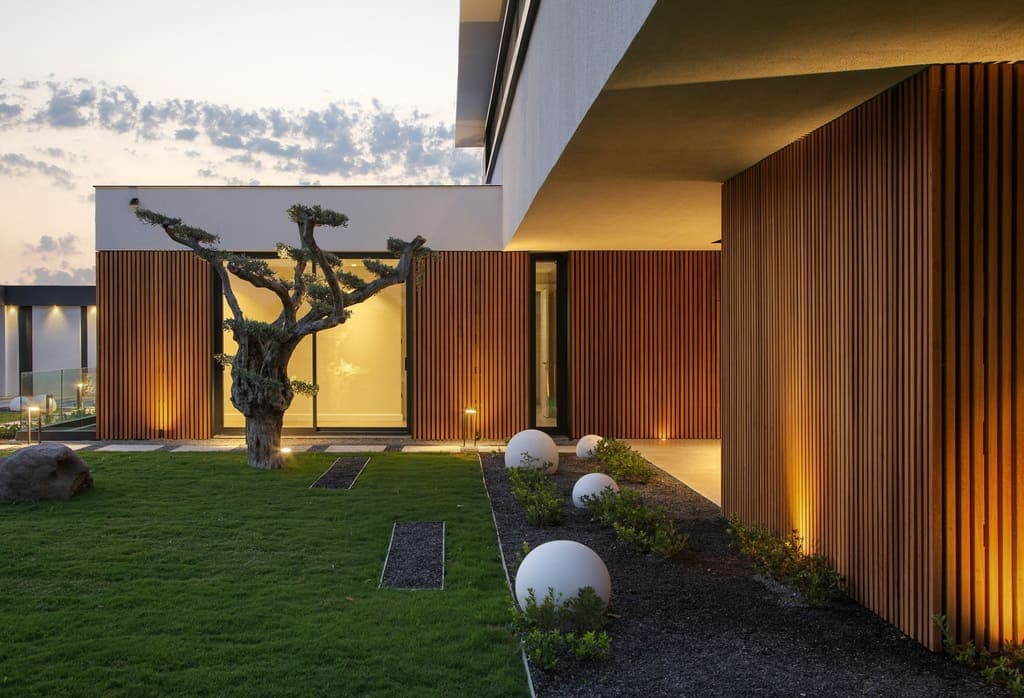
Understanding Thermally Modified Wood for Wall Applications
Thermally modified wood undergoes a high-heat treatment process in a controlled environment. This process changes the wood's cellular structure, resulting in material with reduced hygroscopicity—meaning it absorbs less moisture. For covered patio walls, this characteristic is beneficial as it helps the wood remain more stable in fluctuating humidity levels, which can be common in Rochester's seasonal climate.
The modification process also imparts a consistent, rich brown tone throughout the wood, which can deepen over time with UV exposure if left unfinished. If a specific color is desired, the material can be finished with stains or oils. The stability of thermally modified wood means it is less prone to cupping, twisting, or checking compared to untreated lumber when exposed to outdoor conditions, even when partially sheltered.
Selecting Profiles and Species for Covered Walls
Thermally modified wood is available in various profiles suitable for wall cladding. Common options include tongue-and-groove, shiplap, and square-edge boards. Tongue-and-groove profiles offer a tight, interlocking fit, which can be advantageous for a cleaner appearance and added protection against moisture intrusion in a covered setting. Shiplap provides a distinctive shadow line and allows for some expansion and contraction.
When selecting a profile, consider the desired aesthetic and how the profile will integrate with the overall design of your patio. For species, thermally modified pine and spruce are frequently offered. These species, after modification, exhibit enhanced properties suitable for exterior use. For example, NORX® Thermally Modified Wood offers a range of profiles suitable for siding and cladding applications, which can be adapted for covered patio walls.
The choice of profile also influences the installation method and the appearance of fasteners. Some profiles are designed for concealed fasteners, contributing to a more seamless look, while others may expose fasteners as a design element. Always verify that the chosen profile is approved for vertical wall applications.
Finishing and Maintenance for Longevity
While thermally modified wood is more durable than untreated wood, applying a finish can further enhance its appearance and offer additional protection. If left unfinished, the wood will naturally weather to a silver-gray patina over time due to UV exposure, even in a covered area, though at a slower rate than fully exposed surfaces.
For those who wish to maintain the original rich brown tones or introduce a specific color, exterior-grade stains or oils designed for thermally modified wood are recommended. These finishes should be reapplied periodically according to manufacturer instructions. Regular cleaning to remove dirt, pollen, and mildew will also help preserve the appearance of your covered patio walls. Given Rochester's climate, annual cleaning might be beneficial to prevent buildup, especially in areas with indirect rain or humidity.
Installation Considerations for Covered Patio Walls
Proper installation is crucial for the performance and appearance of thermally modified wood walls. Ensure that the substrate is sound, level, and provides adequate ventilation behind the cladding. For covered patios, a rainscreen assembly is often recommended, even though direct rain exposure is limited. This system creates an air gap between the cladding and the wall structure, allowing moisture to drain and air to circulate, which helps prevent moisture accumulation and promotes drying. This is particularly relevant in Rochester, where humidity levels can vary.
Fasteners should be corrosion-resistant, such as stainless steel, to prevent staining and ensure long-term holding power. Follow manufacturer guidelines for fastener type, spacing, and penetration depth. Allow for appropriate spacing between boards to accommodate minor expansion and contraction, even with the enhanced stability of thermally modified wood. This is typically a small gap, as specified by the product documentation.
Careful planning around openings such as windows or doors, and at corners, is essential for a professional finish. Use appropriate flashing and trim to manage water flow and create clean transitions. Consider the direction of board installation (horizontal or vertical) and how it will impact the visual flow and water shedding.
Project Example: Covered Patio Wall in Rochester
Consider a hypothetical Rochester home with an existing covered patio, 12 feet wide and 8 feet high, where the homeowner wants to clad the back wall with thermally modified wood. They prefer a modern look with minimal visible fasteners and a consistent, warm brown tone.
The chosen product is a 6-inch wide (nominal, 5.5-inch actual face) thermally modified pine tongue-and-groove profile, available in 12-foot lengths. The homeowner plans a vertical installation to emphasize height. For an 8-foot high wall, the 12-foot boards will be cut to length. The wall is 12 feet wide.
To calculate the quantity needed, divide the total width by the actual face width of the boards: 12 feet / (5.5 inches / 12 inches/foot) = 12 / 0.4583 ≈ 26.18 boards. Accounting for cuts and potential waste, it's prudent to round up to 27 boards to ensure full coverage and allow for any trimming or minor imperfections. Since the boards are 12 feet long and the wall is 8 feet high, there will be 4-foot offcuts from each board, which could potentially be used for smaller accent areas or trim if the project required it, though for a single continuous wall, full lengths are typically preferred for consistency. The homeowner also specifies an exterior-grade UV-resistant oil finish to maintain the wood's color.
The installation plan includes a furring strip system to create a rainscreen gap, ensuring air circulation behind the vertical boards. This approach ensures durability and a clean aesthetic for the covered patio wall.
Before you order
- Verify local building codes and permits for exterior wall cladding.
- Assess the existing patio structure for soundness and readiness for cladding.
- Choose a thermally modified wood species and profile suitable for vertical wall applications.
- Determine the desired finish: natural weathering or a stained/oiled appearance.
- Plan for a rainscreen assembly and proper ventilation behind the cladding.
- Select appropriate corrosion-resistant fasteners.
- Measure the area accurately and account for waste in material calculations.
- Consider professional installation or ensure DIY skills match project complexity.
Confirm installation details, approved uses and warranty terms in the current instructions for the exact product and profile. Your installer should verify the substrate, structure and applicable project requirements.
This is a planning guide for projects in Rochester, NY. Ask our team to confirm availability, delivery to your ZIP code and which branch can support your order.
Questions to help you decide
Can thermally modified wood be painted?
While thermally modified wood can be painted, it is often chosen for its natural wood appearance and enhanced stability, which makes it well-suited for transparent or semi-transparent stains and oils. These finishes allow the wood grain and natural color variations to show through. If a solid color is desired, consult with a paint professional for suitable exterior-grade paints and primers designed for wood with reduced moisture content.
How does Rochester's climate affect thermally modified wood?
Rochester, NY, experiences a range of temperatures and humidity throughout the year, including cold winters and warm, humid summers. Thermally modified wood's enhanced dimensional stability makes it less prone to swelling and shrinking in response to these fluctuations compared to untreated wood. For covered patio walls, this stability helps maintain the integrity and appearance of the cladding, reducing the risk of warping or cracking, even with indirect exposure to the elements.
What kind of maintenance is required for thermally modified wood on covered patio walls?
Maintenance for thermally modified wood on covered patio walls is generally low. If left unfinished, the wood will naturally weather to a silver-gray. To maintain a stained or oiled finish, periodic reapplication as per the product manufacturer's instructions is necessary. Regardless of finish, regular cleaning with a mild soap and water solution can help remove dirt, dust, and mildew, which can accumulate even in covered areas. Inspect the walls annually for any signs of wear or damage.
Ready to Transform Your Rochester Patio Walls?
Request a material quote today for thermally modified wood. Provide your project dimensions, desired profile, and ZIP code to confirm current availability and service options for your Rochester, NY, home.
Request a material quote →