Why Ipe for a Courtyard Outdoor Room?
Ipe wood, also known as Brazilian walnut, is a dense hardwood originating from South America. Its natural properties make it suitable for demanding outdoor applications, including courtyards that may experience varied sun exposure and moisture.
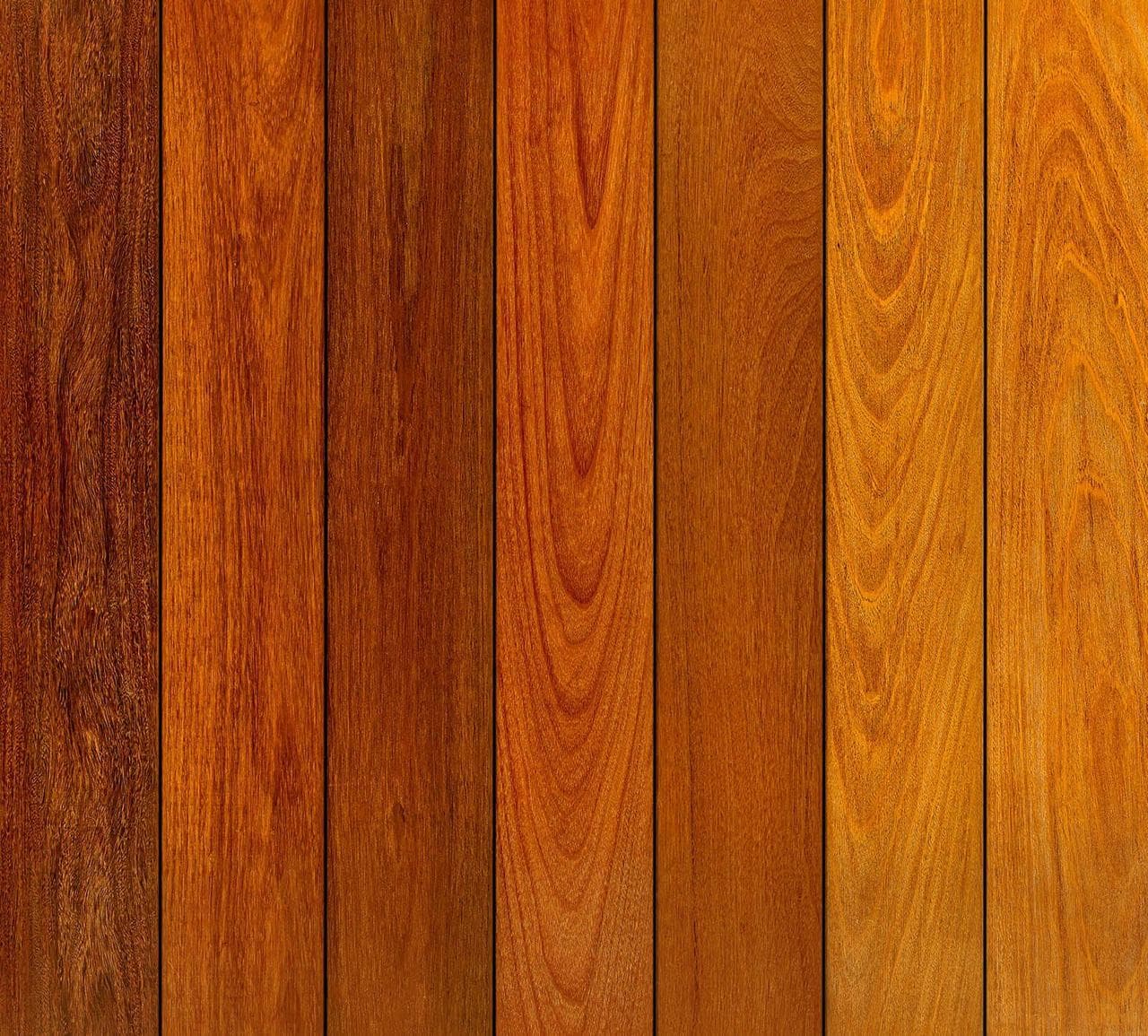
The wood's color ranges from reddish-brown to olive-brown, offering a rich, natural aesthetic that can complement various architectural styles. For a courtyard, Ipe's durability means it can withstand foot traffic and the placement of outdoor furniture without showing significant wear. It is naturally resistant to rot, insects, and mold, reducing the need for extensive chemical treatments. If left untreated, Ipe will weather to a silvery-gray patina, a choice many homeowners appreciate for its low maintenance.
Ipe resists warping after moisture exposure, and its natural oils help protect it from cracking, which is a consideration for outdoor areas exposed to seasonal changes. This resilience is a key advantage for a courtyard where consistent performance and appearance are desired over many years. With proper care, Ipe decking can offer a long lifespan compared to many other wood species used for outdoor purposes.
Courtyard Considerations: Space, Drainage, and Structure
Courtyards often present unique challenges compared to open decks. They are typically enclosed or semi-enclosed, which can affect air circulation, sun exposure, and drainage. When planning an Ipe deck for a courtyard, it's crucial to address these factors.
Proper drainage beneath the deck is essential to prevent moisture buildup, which can impact the longevity of the substructure. Consider a slight slope or a system that directs water away from the building foundation. Air circulation is also important; ensure there is adequate ventilation around and under the deck to help dry the wood and prevent mold growth, especially in areas that might be shaded for extended periods.
The size and shape of the courtyard will influence the decking layout. For smaller courtyards, a simple, linear pattern can make the space feel larger. For more expansive courtyards, you might consider incorporating different board widths or a picture-frame border to define zones within the outdoor room. Always verify the structural integrity of the existing sub-base or plan for a new, appropriate foundation to support the Ipe decking and any intended loads.
Choosing Ipe Profiles and Dimensions
Ipe decking is available in various profiles and dimensions, allowing for flexibility in design and application. Common profiles include square-edge boards for face-fastening and grooved boards for hidden fastening systems. The choice between these depends on your aesthetic preference and installation method.
Typical dimensions for Ipe decking can include 1x2 through 6x6 inches, and lengths ranging from 3 to 24 feet. For a courtyard, smaller widths might be preferred to create a more intricate pattern or to better suit a compact space. Larger widths can make a space feel more expansive. Always confirm the exact dimensions of the Ipe profiles you are considering, as nominal and actual sizes can differ.
Consider how board lengths will be utilized to minimize waste and visible seams. Planning a layout that accounts for standard board lengths can lead to a more efficient and cost-effective installation. For example, if your courtyard is 10 feet wide, using 10-foot boards can reduce cuts and butt joints.
Installation Considerations for Ipe Decking
Due to its density, installing Ipe wood requires specialized tools and techniques. Pre-drilling is typically necessary for fasteners to prevent splitting, whether you are face-fastening or using a hidden fastening system. Professional installation is generally recommended to ensure the best results.
Proper spacing between boards is crucial for drainage and to allow for any minor expansion and contraction of the wood, although Ipe is known for minimal movement post-installation. Follow the manufacturer's specific guidelines for gap spacing. Ensure that the substructure is level and robust, as Ipe is a heavy material.
For courtyards, particularly those with limited direct sunlight, ventilation underneath the deck is paramount. A well-designed substructure that allows for airflow will help prevent moisture accumulation and promote the longevity of both the Ipe and the supporting framework.
Maintenance and Appearance of Ipe in Rochester's Climate
Ipe wood is considered low maintenance, but its appearance can be managed based on your preference. If left untreated, Ipe will naturally weather to a silvery-gray patina over time. This process is accelerated by exposure to UV light and moisture, which Rochester's climate provides.
To maintain Ipe's original reddish-brown to olive-brown color, a UV-blocking sealer or oil can be applied. This treatment typically needs to be refreshed periodically, depending on product specifications and exposure. Regular cleaning to remove dirt, leaves, and other debris will help preserve the deck's appearance and prevent staining.
Given Rochester's seasonal weather, including cold winters and humid summers, Ipe's natural resistance to weather changes, mold, and termites is beneficial. Its durability helps it withstand freeze-thaw cycles and varying moisture levels, making it a practical choice for outdoor use in this region.
Worked Example: A 12x15 Foot Courtyard Deck
Consider a hypothetical courtyard measuring 12 feet by 15 feet where you plan to install Ipe decking. For this example, let's assume you've chosen 1x6 (nominal) Ipe boards, which typically have an actual width of approximately 5.5 inches.
To cover the 12-foot width, you would need approximately 12 feet / 5.5 inches/board = 26.18 boards. For the 15-foot length, if boards are laid parallel to the 15-foot dimension, you would need boards that are at least 15 feet long. If 15-foot lengths are available, this minimizes butt joints. If not, you would need to plan for seams.
Total linear footage: 27 boards x 15 feet/board = 405 linear feet. To account for cuts, waste, and a small buffer, it is common to add 10-15% to this total. So, 405 linear feet x 1.15 = 465.75 linear feet. You would then convert this to board feet based on the specific Ipe profile (e.g., a 1x6 board is nominally 0.5 board feet per linear foot). This calculation is a starting point; always confirm with a professional and consider a detailed cut plan for your specific project dimensions to optimize material use.
Additionally, plan for appropriate substructure materials, fasteners, and any finishing products, such as a UV-blocking oil if you wish to maintain the original color.
Before you order
- Assess courtyard dimensions and shape for optimal layout.
- Verify existing or plan new substructure for Ipe's weight and drainage.
- Choose between square-edge or grooved Ipe profiles.
- Select appropriate Ipe board dimensions (width, length) for your design.
- Plan for adequate ventilation beneath the deck, especially in enclosed spaces.
- Decide on desired Ipe appearance: weathered gray or maintained original color.
- Factor in professional installation due to Ipe's density.
- Budget for fasteners, sealers/oils, and cleaning supplies.
- Consider how the deck will integrate with existing landscaping or structures.
Confirm installation details, approved uses and warranty terms in the current instructions for the exact product and profile. Your installer should verify the substrate, structure and applicable project requirements.
This is a planning guide for projects in Rochester, NY. Ask our team to confirm availability, delivery to your ZIP code and which branch can support your order.
Questions to help you decide
How does Ipe decking handle Rochester's winter weather?
Ipe is highly weather resistant. Its natural oils protect it from cracking or warping, making it well-suited to handle Rochester's freeze-thaw cycles and winter conditions. Proper installation with adequate drainage and ventilation will further enhance its performance.
What is the typical lifespan of Ipe decking?
With proper care, Ipe decking can last up to 75 years, which is significantly longer than many other wood species used for outdoor purposes. Its natural resistance to rot, insects, and mold contributes to its exceptional longevity.
Is Ipe decking difficult to install?
Yes, Ipe is a very dense hardwood, which makes it challenging to work with. Installation typically requires specialized tools, such as carbide-tipped saw blades, and pre-drilling for all fasteners to prevent splitting. Professional installation is generally recommended for optimal results.
Ready to Plan Your Ipe Decking Project?
Request a material quote today. Provide your project dimensions, desired Ipe profile, and ZIP code to confirm current availability and service options. We can help you identify the right materials for your Rochester, NY courtyard outdoor room.
Request a material quote →