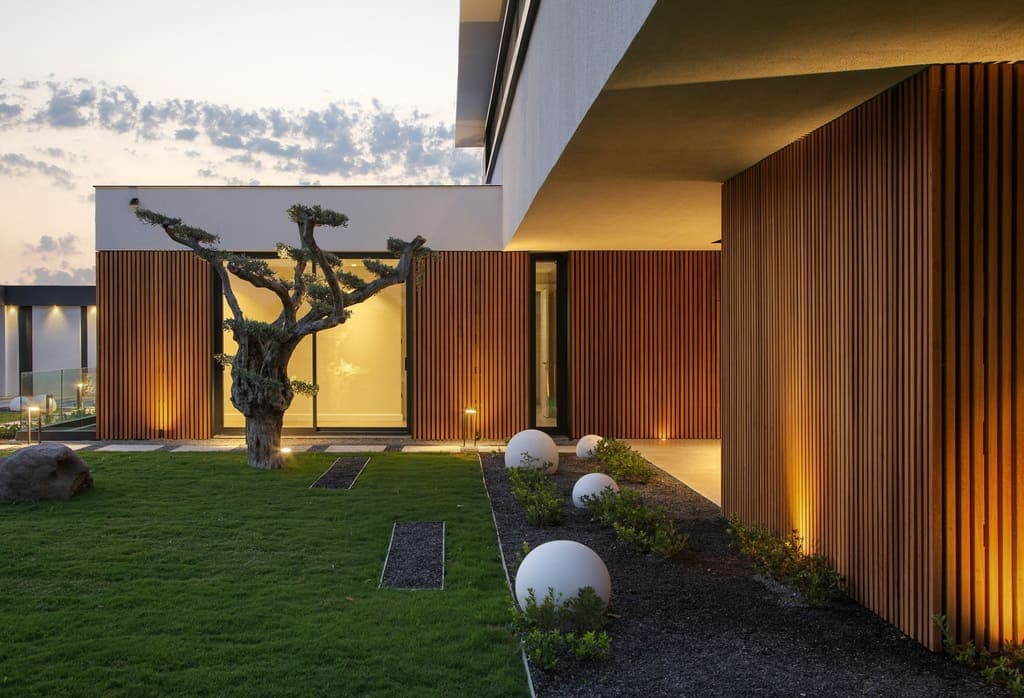
Understanding Thermally Modified Wood for Vertical Applications
Thermally modified wood undergoes a high-heat treatment process that alters its cellular structure, enhancing its stability and resistance to environmental factors. This modification makes the wood less prone to expansion and contraction due to moisture changes, a valuable characteristic for vertical applications like covered patio walls. The process also darkens the wood, creating a rich, consistent color throughout the material.
For covered patio walls, the enhanced stability of thermally modified wood helps prevent issues such as warping or cupping, which can be a concern with untreated wood in outdoor settings. While covered, these walls are still subject to ambient humidity and temperature fluctuations, making the material's inherent stability a significant advantage. This material is suitable for both interior and exterior vertical surfaces, provided appropriate installation practices are followed.
Selecting the Right Species and Profile
Thermally modified wood is available in various species, each offering unique grain patterns and characteristics. Common options include thermally modified spruce, pine, or ash. The choice of species can influence the final aesthetic, with ash typically presenting a more prominent grain and spruce a finer, more uniform appearance. Consider how the wood's natural tones and grain will complement other materials in your patio design.
Profiles for vertical applications range from traditional tongue-and-groove boards to contemporary rainscreen profiles. Tongue-and-groove offers a tight, interlocking fit, often used for a more finished, continuous surface. Rainscreen profiles, which create a gap behind the cladding, can provide enhanced ventilation and a distinct shadow line aesthetic. For covered patio walls, where direct rain exposure is limited, both options are viable. Determine if a smooth, consistent surface or a more textured, dimensional look is desired for your project. NORX offers a range of thermally modified wood profiles suitable for exterior cladding, which can be adapted for covered vertical applications.
Finishing and Appearance Options
One of the benefits of thermally modified wood is its inherent durability, which means it does not strictly require a finish for preservation. However, applying a finish can protect the wood from UV degradation, which causes it to gradually weather to a silver-gray patina over time. If maintaining the original rich, darker tone is desired, a UV-protective oil or stain should be applied.
For covered patio walls in Harrisburg, even though they are shielded from direct sunlight, ambient UV exposure can still cause weathering. A clear or tinted finish can enhance the wood's natural beauty and provide an additional layer of protection, making cleaning easier. Consider the desired aesthetic: a natural, weathered look or a maintained, consistent color. Regular reapplication of finishes may be necessary to sustain the original appearance.
Attachment and Installation Considerations
Proper attachment is crucial for the longevity and appearance of covered patio walls. For thermally modified wood, fasteners should be corrosion-resistant, such as stainless steel, to prevent staining or degradation over time. Depending on the chosen profile, fasteners can be face-nailed or concealed. Concealed fastening systems offer a clean, uninterrupted surface, while face-nailing can be part of the design aesthetic.
When installing vertical cladding, ensure adequate air circulation behind the boards, even in covered areas. This gap helps manage moisture and allows the wood to acclimate. For covered patio walls, this practice is beneficial for preventing moisture buildup from condensation or incidental splashing. Always follow manufacturer guidelines for specific spacing and fastener types. Maximo Accoya is another high-performance wood product that also benefits from proper ventilation in vertical applications, highlighting the importance of substructure design.
For a typical covered patio wall measuring 10 feet wide by 8 feet high, using 6-inch wide tongue-and-groove thermally modified wood boards (actual coverage 5.5 inches), you would need approximately 10 feet / (5.5 inches / 12 inches/foot) = 21.8 boards across. Rounding up to 22 boards, and assuming standard 8-foot lengths are available, you would need 22 boards * 8 feet = 176 linear feet of material. It is always recommended to add 10-15% for cuts and waste.
Planning for Harrisburg's Climate and Local Conditions
Harrisburg, PA, experiences a humid continental climate with warm, humid summers and cold winters. While covered patio walls are protected from direct precipitation, they are still exposed to significant humidity fluctuations and temperature extremes. Thermally modified wood's enhanced dimensional stability is well-suited to mitigate the effects of these changes.
Consider the orientation of your patio and the amount of indirect sunlight and prevailing winds it receives. These factors can influence the rate of weathering and the need for finishes. Even under a roof, surfaces can experience condensation or splash-back from heavy rains. Ensuring proper drainage at the base of the wall and adequate ventilation behind the cladding will contribute to the long-term performance of your thermally modified wood patio walls.
Before you order
- Determine the desired aesthetic: natural weathered gray or maintained original color?
- Select a thermally modified wood species (e.g., spruce, pine, ash) based on grain and color preference.
- Choose a profile (e.g., tongue-and-groove, rainscreen) that aligns with your design and ventilation needs.
- Plan for a substructure with appropriate furring strips to ensure ventilation behind the cladding.
- Specify corrosion-resistant fasteners (e.g., stainless steel) for attachment.
- Consider applying a UV-protective finish if maintaining the original wood color is important.
- Measure project dimensions accurately and factor in 10-15% extra for cuts and waste.
- Verify local building practices or recommendations for covered outdoor vertical surfaces.
Confirm installation details, approved uses and warranty terms in the current instructions for the exact product and profile. Your installer should verify the substrate, structure and applicable project requirements.
This is a planning guide for projects in Harrisburg, PA. Ask our team to confirm availability, delivery to your ZIP code and which branch can support your order.
Questions to help you decide
Does thermally modified wood require sealing or painting for covered patio walls?
Thermally modified wood does not require sealing or painting for preservation due to its enhanced durability. However, if you wish to maintain its original rich, darker color and protect it from UV-induced graying, applying a UV-protective oil or stain is recommended. This also makes cleaning easier.
Can thermally modified wood be installed directly onto an existing wall surface?
It is generally recommended to install thermally modified wood on a substructure with furring strips. This creates a ventilation gap behind the cladding, which helps manage moisture, allows the wood to acclimate, and promotes overall longevity, even in covered patio applications.
How do I clean thermally modified wood on covered patio walls?
Thermally modified wood can typically be cleaned with mild soap and water, using a soft brush or cloth. Avoid harsh chemicals or high-pressure washers, as these can damage the wood surface or finish. Regular cleaning helps remove dirt and mildew buildup, preserving the appearance of your patio walls.
Ready to Plan Your Thermally Modified Wood Patio Walls?
Request a material quote with your project dimensions, exact profile preferences, and ZIP code. We can help confirm current availability and service options for your Harrisburg, PA project.
Request a material quote →