Understanding Ipe Decking for Courtyard Applications
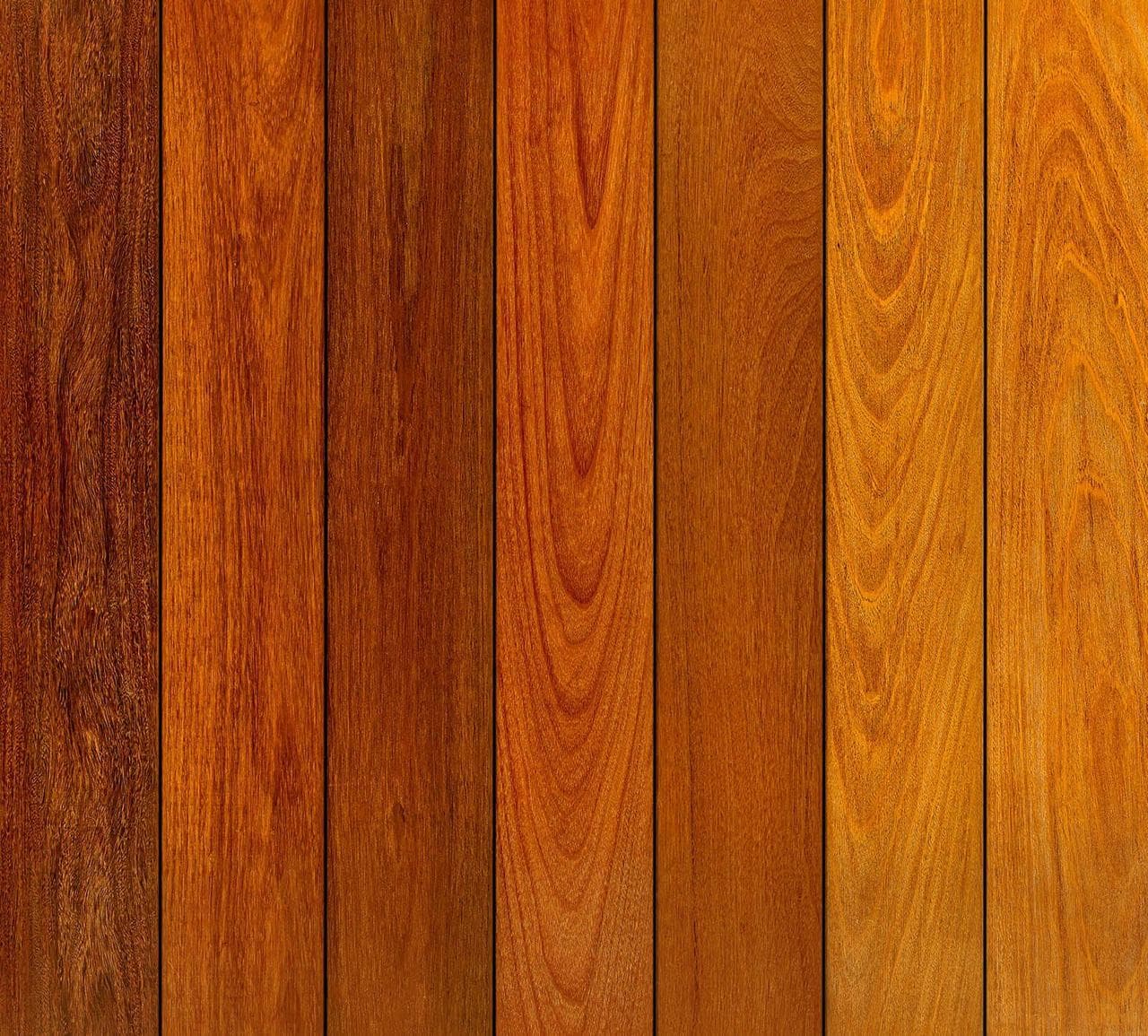
Ipe wood, also known as Brazilian walnut, is a dense, durable hardwood originating from South America. Its natural properties make it a strong candidate for outdoor applications, including decking in courtyard settings. Ipe is known for its resistance to rot, insects, and mold, which can be particularly beneficial in courtyards where airflow might be more restricted compared to open decks. Its reddish-brown to olive-brown tones can add a rich, natural aesthetic to your outdoor room.
A key advantage of Ipe for courtyards is its stability. With minimal movement post-installation, it resists warping after moisture exposure. This characteristic is important for maintaining a consistent surface in areas that may experience varying degrees of sun and shade, or temporary pooling if drainage is not perfectly managed.
Ipe is available in a variety of profiles and sizes, typically ranging from 1"x2" through 6"x6" dimensions and lengths from 3 to 24 feet. This range allows for flexibility in design, whether you envision a traditional plank layout or a more intricate pattern within your courtyard space. (S1)
Courtyard Design Considerations for Ipe Decking
Courtyards often present unique design challenges and opportunities. When planning with Ipe decking, consider the following:
Sunlight and Shade: Courtyards can have varied sun exposure throughout the day. Ipe can be left untreated to weather to a silvery-gray patina, or you can apply a UV-blocking sealer to preserve its original reddish-brown to olive-brown color. The choice depends on your desired aesthetic and the specific light conditions in your courtyard. Areas with consistent shade might retain the original color longer if treated, while sunny spots will accelerate weathering.
Drainage: Proper drainage is critical in any courtyard. Ensure that your deck design allows for water runoff, preventing standing water under or on the Ipe planks. While Ipe resists moisture damage, good drainage extends the life of the entire deck structure. Consult with your installer on appropriate spacing between boards and the pitch of the deck frame.
Integration with Hardscaping and Landscaping: Courtyards frequently combine decking with elements like stone pavers, garden beds, or water features. The rich tones of Ipe can complement various materials. Plan how the Ipe decking will transition to these other elements, considering flush transitions or slight elevation changes.
Privacy and Enclosure: Courtyards are often defined by walls or fences. The natural beauty of Ipe can enhance the feeling of an enclosed outdoor room. Consider how the decking color and grain will interact with the surrounding vertical surfaces. For a cohesive look, you might consider using Ipe for other elements like planters or benches.
Worked Example: A 12x15-foot Courtyard Deck in Harrisburg
Let's consider a hypothetical courtyard in Harrisburg, PA, measuring 12 feet by 15 feet, intended as a dining and relaxation area. We'll use 1x6 (nominal) Ipe decking boards, which typically measure 3/4 inch thick by 5.5 inches wide. For this example, we assume square-edge boards installed with a hidden fastening system, requiring a small gap between boards for drainage and air circulation.
Deck Area Calculation: 12 feet * 15 feet = 180 square feet.
Board Coverage: Each 5.5-inch wide board covers approximately 0.458 feet (5.5/12) of width. For a 15-foot length, each board covers 0.458 ft * 15 ft = 6.87 square feet.
Number of Boards (Area Equivalent): 180 sq ft / 6.87 sq ft per board = approximately 26.2 boards. However, board lengths are typically purchased in fixed increments, and cuts will be necessary. For a 12-foot width, laying 15-foot boards would mean each board is cut to length. If laying boards along the 15-foot dimension, you'd need enough boards to cover 12 feet of width.
Number of boards needed across the 12-foot width = 144 inches / 5.625 inches per unit = 25.6 boards.
Total Linear Footage: 26 boards * 15 feet/board = 390 linear feet. When ordering, it's always advisable to add 10-15% for waste, cuts, and future repairs. So, 390 linear feet * 1.15 = 448.5 linear feet. You would likely round up to the nearest available full board lengths that meet this total.
This calculation provides a material estimate. Actual quantities will depend on specific board lengths available, the exact fastening system, and cutting plans to minimize waste, especially if a picture-frame border is desired. Always confirm exact dimensions and fastening requirements with your installer and product specifications.
Installation and Fastening Options
Due to its density, Ipe installation often requires specialized tools and techniques. Professional installation is generally recommended. Common installation methods for Ipe decking include:
Hidden Fasteners: This method creates a smooth, unblemished surface, ideal for the refined look of a courtyard outdoor room. Hidden clips or fasteners are designed to hold the boards from the sides, maintaining a consistent gap between planks. This also allows for better drainage and air circulation, which is important in semi-enclosed spaces. Always select fasteners specifically rated for dense hardwoods like Ipe.
Face Fastening: While hidden fasteners are popular for Ipe, face fastening with screws can also be used. This involves pre-drilling pilot holes to prevent splitting, and then countersinking screws. For a cleaner look, Ipe plugs can be used to conceal the screw heads, matching the natural wood grain. Ensure stainless steel fasteners are used to prevent staining.
Proper ventilation underneath the deck is crucial, especially in a courtyard where air movement might be limited. Adequate spacing between deck boards and an unobstructed perimeter (if possible) will help prevent moisture buildup and ensure the longevity of the decking and substructure.
Maintenance and Longevity of Ipe Decking
Ipe wood is considered low maintenance, but occasional care can help preserve its appearance and extend its life. (S1)
Appearance Options: If left untreated, Ipe will naturally weather to a silvery-gray patina over time. Many homeowners appreciate this natural aged look. To maintain the original reddish-brown to olive-brown color, a UV-blocking sealer or deck oil should be applied periodically. The frequency of reapplication will depend on sun exposure and product instructions.
Cleaning: Regular cleaning with a broom or leaf blower helps remove debris. For deeper cleaning, a mild, pH-neutral deck cleaner can be used, followed by rinsing. Avoid harsh chemicals or high-pressure washers, which can damage the wood fibers.
Inspections: Periodically inspect your Ipe deck for any signs of wear, loose fasteners, or debris accumulation. Addressing minor issues promptly can prevent larger problems. (S1)
Complementary Products for Your Ipe Courtyard
Beyond the decking itself, consider these related products to complete your Harrisburg courtyard outdoor room:
Hardwood Decking: Explore other hardwood options like Cumaru or Garapa if you are considering different color tones or grain patterns, though Ipe is often the benchmark for density and durability.
Composite Decking: For a low-maintenance alternative with a different aesthetic, composite decking offers a range of colors and textures that mimic wood.
PVC Decking: Another low-maintenance option, PVC decking provides exceptional resistance to moisture and insects, available in various finishes.
Decking Accessories: Don't forget essential accessories such as hidden fastening systems, appropriate deck screws, and end-grain sealers for cut boards to protect against moisture absorption.
Before you order
- Determine the exact dimensions and layout of your courtyard outdoor room.
- Decide on the desired appearance: natural weathered gray or maintained original color.
- Evaluate sunlight exposure and drainage requirements for the specific courtyard.
- Choose between square-edge or grooved Ipe profiles based on fastening preference.
- Select a fastening method: hidden clips for a smooth surface or face screws with plugs.
- Factor in ventilation requirements beneath the deck for optimal longevity.
- Plan for transitions to adjacent hardscaping or landscaping elements.
- Consider complementary Ipe elements like benches or planters for a cohesive design.
- Obtain samples of Ipe to assess color and grain against your design palette.
- Confirm local building codes and permit requirements for outdoor decking.
Confirm installation details, approved uses and warranty terms in the current instructions for the exact product and profile. Your installer should verify the substrate, structure and applicable project requirements.
This is a planning guide for projects in Harrisburg, PA. Ask our team to confirm availability, delivery to your ZIP code and which branch can support your order.
Questions to help you decide
How long can Ipe decking last in a Harrisburg courtyard?
With proper installation and care, Ipe decking can last for many decades. Its natural resistance to rot, insects, and weather changes contributes to its long lifespan, making it a durable choice for outdoor rooms.
Does Ipe decking require a specific finish for courtyards?
Ipe does not strictly require a finish for durability. It will naturally weather to a silvery-gray patina if left untreated. If you prefer to maintain its original reddish-brown to olive-brown color, applying a UV-blocking sealer or deck oil periodically is recommended.
What are the key considerations for drainage with Ipe in a courtyard setting?
Good ventilation beneath the deck is also crucial to prevent moisture buildup, which can affect the substructure over time. Consult with your installer on specific drainage plans for your unique courtyard.
Plan Your Ipe Courtyard Outdoor Room
Ready to enhance your Harrisburg courtyard with the beauty and durability of Ipe decking? Request a material quote with your project dimensions, desired Ipe profile, and ZIP code to confirm current availability and service options. Our team can help you select the right materials for your outdoor living space.
Request a material quote →