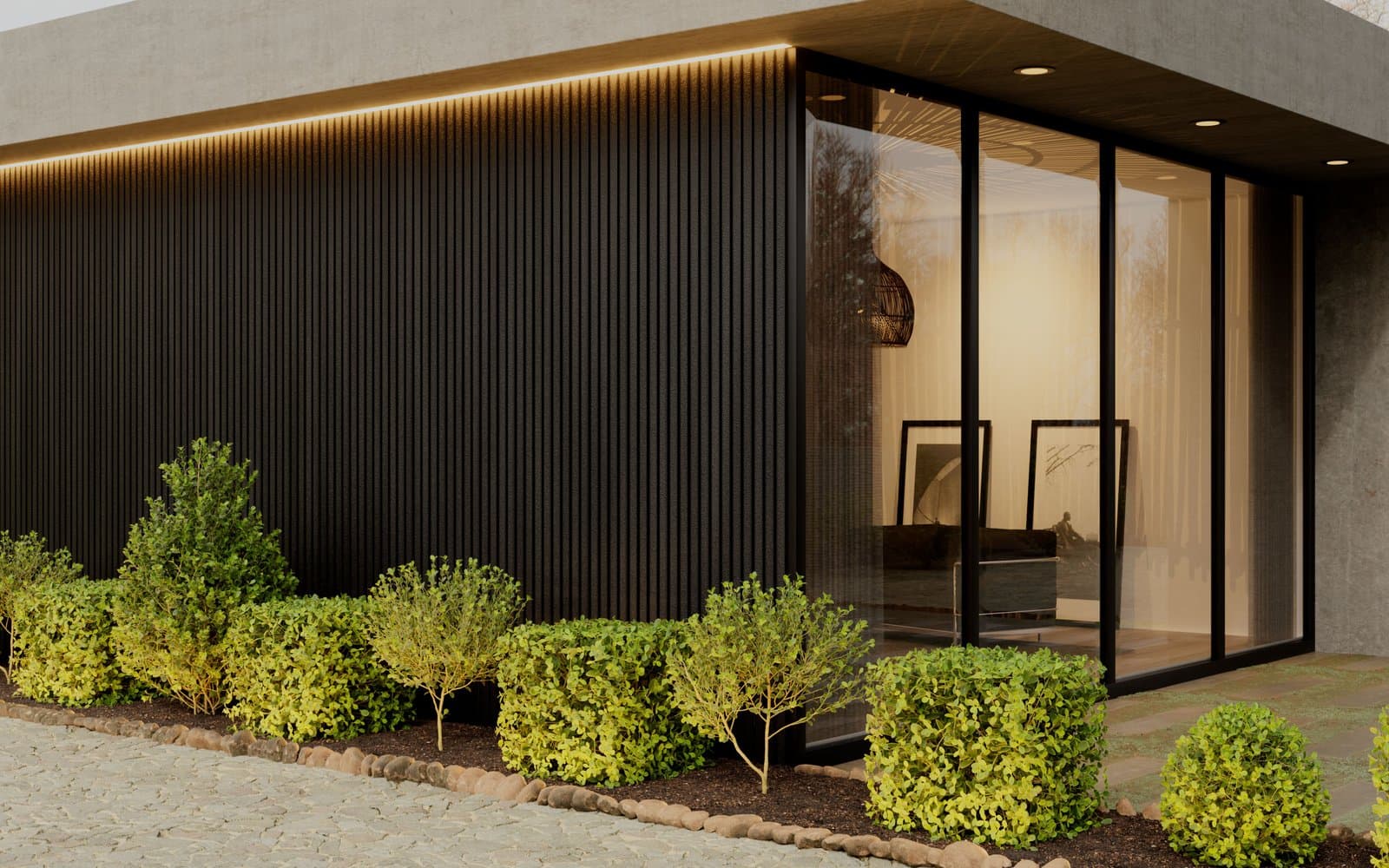
The Importance of Existing Wall Assessment
Before selecting any new siding or cladding, it is crucial to understand the 'bones' of your building. The existing wall assembly dictates what materials are suitable, what preparation is needed, and how the new facade will integrate. Ignoring this step can lead to unforeseen costs, installation challenges, and potential performance issues down the line.
Consider the example of a mid-century brick veneer home in Jefferson City. The existing brick might be sound, but perhaps the underlying sheathing or insulation is outdated. Replacing the brick with a modern rainscreen system like thermally modified wood cladding would require evaluating the structural capacity for new furring strips, ensuring adequate drainage, and possibly upgrading the wall's thermal envelope. This careful assessment prevents issues such as moisture trapping or inadequate structural support for the new facade.
Key Elements to Inspect in Your Existing Wall
A thorough inspection should cover several key aspects of your existing wall structure:
1. **Structural Integrity:** Assess the condition of the framing, sheathing, and any existing structural elements. Look for signs of rot, insect damage, or structural movement. Any significant issues here must be addressed before new cladding is installed.
2. **Moisture Management:** Examine the existing wall for evidence of water penetration, staining, mold, or efflorescence. Identify potential pathways for moisture intrusion, such as around windows, doors, or roof-to-wall transitions. Understanding how your current wall handles water is vital for designing an effective new system.
3. **Insulation and Air Barrier:** Determine the type and condition of existing insulation. Is it adequate for current energy efficiency standards? Is there an effective air barrier? A facade renovation is an opportune time to upgrade these components.
4. **Substrate Material:** Identify the material directly beneath the current siding. Is it plywood, OSB, concrete block, or something else? This will influence fastener selection and attachment methods for your new cladding.
5. **Existing Openings:** Carefully inspect all windows, doors, and other penetrations. Their flashing and sealing will need to be integrated with the new facade system to prevent water intrusion.
Siding and Cladding Options for Facade Renovation
Once you have a clear understanding of your existing wall conditions, you can explore suitable siding and cladding options. Lumber Plus offers a range of materials that can transform a facade, each with distinct characteristics:
**Thermally Modified Wood:** Products like Scandinavian thermally modified wood or thermally modified Ash offer enhanced stability and durability compared to untreated wood. They are suitable for rainscreen applications, providing a modern aesthetic and allowing for ventilation behind the cladding. For a clean grain and contemporary look, thermally modified Clear Radiata is an option. These materials are excellent for creating razor-straight facades. See more at: "/thermally-modified-wood".
**Maximo Accoya:** This acetylated wood product offers exceptional dimensional stability and durability, making it a strong candidate for demanding facade applications. It can be milled into various profiles and provides a long-lasting, low-maintenance finish. Explore applications at: "/products/maximo-accoya".
**Brazilian Hardwoods:** Species such as Ipe, Cumaru, Garapa, Angelim, Jatoba, and Tigerwood provide natural beauty and inherent strength. Ipe offers bold grain and strength, while Cumaru is known for its golden tone. Garapa is often considered a structural workhorse. These hardwoods can be used to create impactful and statement walls.
**Norx Composite Cladding:** For a consistent appearance and reduced maintenance, Norx composite cladding offers a durable alternative. Available in various colors and profiles, it provides a modern look that can withstand the elements. Learn more about the brand at: "/brands/norx" and view applications like Norx London Black and Norx Navona Black cladding. This material is designed for exterior walls.
The choice between these materials often comes down to desired aesthetic, performance requirements, and compatibility with the existing wall system and your renovation budget.
Integrating New Cladding with Existing Structure: A Hypothetical Example
Consider a hypothetical renovation project in Jefferson City: a 1970s ranch home with existing vinyl siding over fiberboard sheathing. The homeowner wants to upgrade to a more durable and aesthetically pleasing facade, specifically using thermally modified Ayous cladding in a horizontal rainscreen application.
**Existing Conditions Assessment:** An inspection reveals that the fiberboard sheathing is intact but offers minimal structural support for direct attachment of heavy cladding. There are no obvious signs of water damage, but the existing wall lacks a modern weather-resistive barrier (WRB). The windows are in good condition but will require new flashing details.
**Renovation Plan:**
1. **Removal:** The existing vinyl siding is carefully removed, exposing the fiberboard sheathing.
2. **Sheathing Upgrade:** While the fiberboard isn't structurally failing, for better long-term performance and to accommodate the new cladding, a layer of new plywood or OSB sheathing is installed over the fiberboard, effectively creating a more robust substrate.
3. **Weather-Resistive Barrier (WRB):** A high-quality WRB is installed over the new sheathing, properly lapped and taped at seams and penetrations to create a continuous moisture barrier.
4. **Furring Strips:** Vertical furring strips (e.g., 1x3 pressure-treated lumber) are installed over the WRB, creating a ventilation cavity for the rainscreen system. These strips are securely fastened through the new sheathing into the wall studs.
5. **Window Flashing:** New flashing is installed around all window and door openings, integrating with the WRB to ensure a watertight seal.
The ventilation cavity behind the cladding allows for drainage and drying, enhancing the durability of the entire wall system.
This example illustrates how understanding the existing wall leads to specific preparatory steps, ensuring the new facade performs as intended and integrates seamlessly with the original structure.
Planning for Jefferson City's Climate and Local Conditions
Jefferson City, MO, experiences a full range of seasons, from hot, humid summers to cold winters with freezing temperatures and potential for snow and ice. This climate profile makes material durability and proper moisture management paramount for any facade renovation.
Materials like thermally modified wood and Maximo Accoya are engineered for enhanced stability, which is beneficial in regions with significant temperature and humidity swings. Their reduced tendency to swell and shrink minimizes stress on fasteners and finishes. Rainscreen assemblies, which allow for air circulation and drainage behind the cladding, are particularly well-suited for the local climate, helping to mitigate moisture accumulation and promote drying.
When planning, consider the sun exposure of different elevations. South and west-facing walls will experience more intense UV radiation and heat, which can affect material longevity and color retention. Selecting materials and finishes with good UV resistance is a practical consideration for these exposures. Proper detailing around eaves and overhangs can also help protect the facade from direct sun and rain.
For winter conditions, ensure that any chosen cladding system allows for proper drainage and does not trap moisture that could freeze and cause damage. Attention to base-of-wall details, ensuring adequate clearance from grade, is essential to prevent moisture wicking and snow accumulation from affecting the lower sections of the facade.
Before you order
- Have I thoroughly inspected my existing wall for structural integrity, moisture issues, and insulation condition?
- Have I documented the existing substrate material and identified how new cladding will be attached?
- Are there any signs of rot, insect damage, or water infiltration that need to be addressed before renovation?
- Do I need to upgrade my wall's weather-resistive barrier or insulation as part of this renovation?
- Are all window and door flashings in good condition, or will they need to be replaced/integrated with the new facade?
- Have I considered the specific climate conditions of Jefferson City (humidity, temperature swings, sun exposure) when selecting materials?
- Will the chosen siding/cladding system require a rainscreen assembly, and if so, have I planned for furring strips and ventilation?
- Have I obtained documentation for the exact assembly method recommended by the manufacturer for my chosen cladding?
- Have I accounted for the weight of the new cladding system and confirmed the existing structure can support it?
- Have I requested a material quote with exact dimensions, desired profile, and my ZIP code to confirm availability and service options?
Confirm installation details, approved uses and warranty terms in the current instructions for the exact product and profile. Your installer should verify the substrate, structure and applicable project requirements.
This is a planning guide for projects in Jefferson City, MO. Ask our team to confirm availability, delivery to your ZIP code and which branch can support your order.
Questions to help you decide
Why is assessing existing wall conditions so important for a facade renovation?
Assessing existing wall conditions is critical because it reveals the structural integrity, moisture management capabilities, and insulation effectiveness of your current building. This information directly influences material selection, installation methods, and ultimately, the durability and performance of your new facade. Skipping this step can lead to costly unforeseen issues.
Can I install new siding directly over my old siding?
While sometimes done, installing new siding directly over old siding is generally not recommended, especially for a quality facade renovation. It can hide underlying problems, complicate proper moisture management, and may not provide a stable or level substrate for the new material. Removing the old siding allows for a thorough inspection of the wall, installation of a proper weather-resistive barrier, and a more secure attachment of the new cladding.
What are the benefits of a rainscreen system for facade renovations?
A rainscreen system creates a ventilated air cavity behind the exterior cladding. This cavity allows for drainage of any water that penetrates the outer layer and promotes drying, preventing moisture buildup within the wall assembly. This is particularly beneficial in humid climates or areas with significant rainfall, enhancing the long-term durability and performance of the facade by protecting the underlying structure and insulation.
Plan Your Jefferson City Facade Renovation
Ready to transform your building's exterior? Request a material quote for your siding and cladding project. Provide your project dimensions, desired profile, and ZIP code to confirm current availability and service options for your Jefferson City location.
Request a material quote →