Why Ipe Decking for a Courtyard Outdoor Room?
Ipe wood is a premium choice for outdoor applications due to its natural properties. It is known for its exceptional density and hardness, which contribute to its resistance to common outdoor challenges. This makes it a practical material for a courtyard, where durability is key.
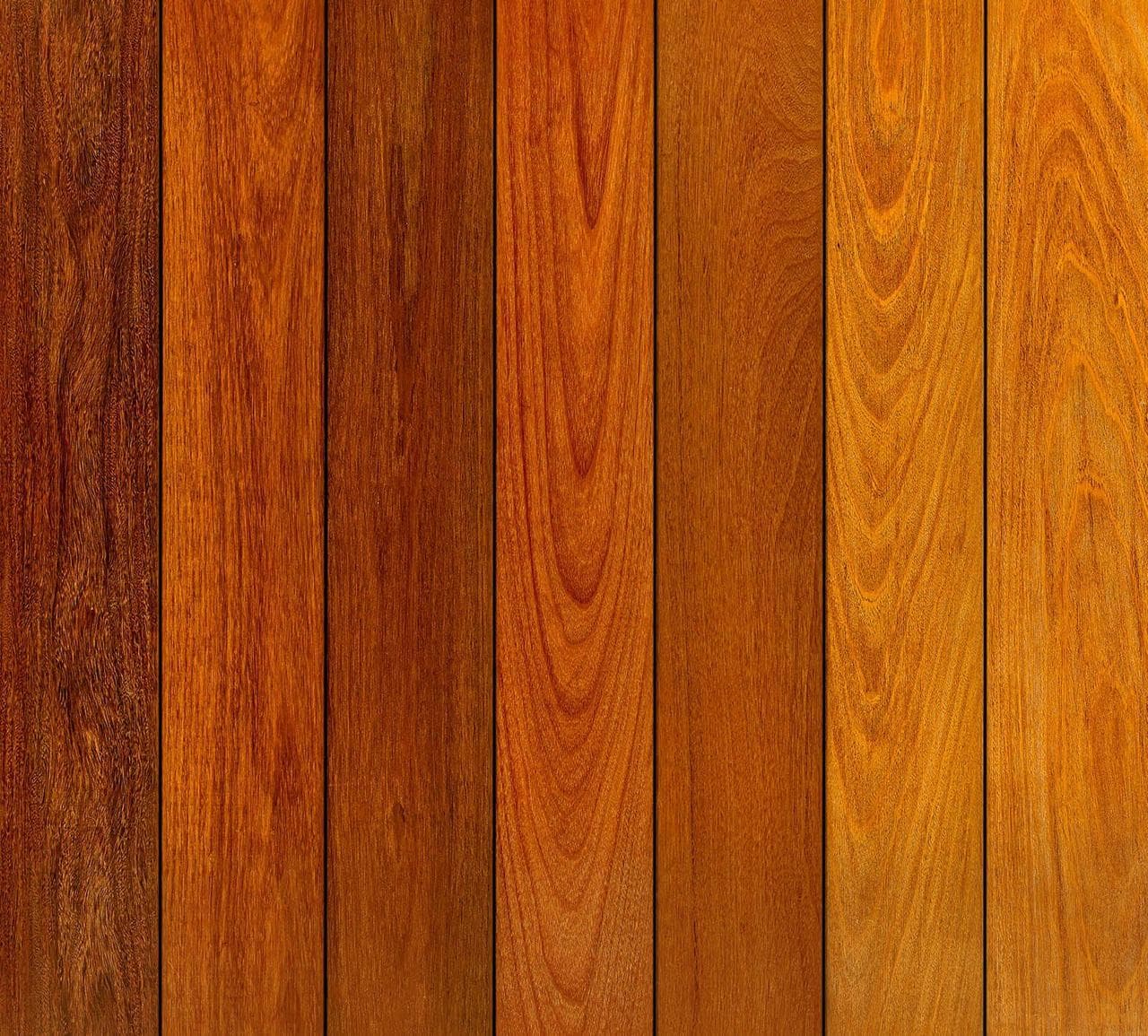
The appearance of Ipe ranges from reddish-brown to olive-brown, offering a rich, natural aesthetic that can enhance various design styles. If left untreated, Ipe will naturally weather to a silvery-gray patina, a look many find appealing. For those who prefer to maintain its original color, a UV-blocking sealer can be applied. This flexibility in finish allows Ipe to adapt to the desired look of your courtyard.
Courtyards, by their nature, can have microclimates that differ from open outdoor spaces. They may experience periods of intense sun, shade, or limited air circulation. Ipe's resistance to weather changes, including warping after moisture exposure, makes it a suitable option for these varied conditions. Its natural oils also contribute to its protection against cracking.
Compared to other wood species, Ipe is recognized for its longevity. With proper care, Ipe decking can last for an extended period, which can be a significant advantage for a permanent installation like a courtyard outdoor room. This durability means less frequent replacement and a sustained quality appearance for your outdoor space.
Ipe also offers natural resistance to rot, insects, and mold, reducing the need for chemical treatments. This characteristic can be a consideration for homeowners seeking materials with fewer chemical requirements for protection.
When considering Ipe, it's important to plan for its density during installation. Its hardness requires specialized tools and techniques, and professional installation is often recommended to ensure correct assembly.
For specific product information, you can refer to the Ipe product page: [Ipe Decking](/decking/hardwood/ipe).
Planning Your Courtyard Layout and Ipe Profiles
The layout of your courtyard outdoor room is crucial for functionality and aesthetics. Consider how you intend to use the space: will it be a dining area, a lounge, or a combination? The dimensions of your courtyard will influence board lengths and overall design. Ipe decking is available in a variety of profiles and sizes, typically ranging from 1"x2" to 6"x6" dimensions and lengths from 3 to 24 feet. This range allows for design flexibility, whether you prefer wider boards for a more expansive look or narrower boards for intricate patterns.
When planning, measure your courtyard's exact dimensions. A detailed drawing, even a simple sketch, can help visualize the layout and determine board orientation. Running boards parallel to the longest side can often minimize cuts and create a sense of depth. For smaller courtyards, a diagonal layout can sometimes make the space feel larger, though it typically requires more cuts and material.
Consider the type of edge finish needed. Square-edge boards are common for face-fastened applications, while grooved boards are often used with hidden fastener systems. The choice depends on your aesthetic preference and installation method. Discuss these options with your installer to ensure compatibility with the chosen fastening system.
Think about any transitions to other surfaces, such as paving, landscaping, or interior flooring. Proper transition planning ensures a seamless and safe integration. This might involve using trim pieces or ensuring consistent elevation. Also, consider the impact of any permanent fixtures, like built-in seating or planters, on the decking layout. These elements can define zones within your courtyard and influence board placement.
Hypothetical Courtyard Project: Ipe Decking Calculation Example
Let's consider a hypothetical courtyard outdoor room in Jefferson City, MO, measuring 12 feet by 15 feet. The homeowner wants to use 1x6 Ipe decking boards. For this example, we'll assume a standard 1x6 board has an actual width of 5.5 inches.
First, calculate the total area: 12 feet * 15 feet = 180 square feet. This is the area equivalent, not the purchase quantity.
Next, determine the number of board courses needed across the 12-foot width. If boards are laid parallel to the 15-foot length, the 12-foot width will dictate the number of courses. 12 feet * 12 inches/foot = 144 inches.
Number of courses = 144 inches / 5.625 inches/board = 25.6 boards. Since you can't have a fraction of a board, you'd need 26 board courses across the 12-foot width.
For the 15-foot length, if we plan to use a mix of 10-foot and 12-foot boards to minimize waste, we might use one 10-foot board and one 5-foot cut piece per course, or simply use 16-foot boards if available and trim. For simplicity, let's assume we purchase 16-foot length boards to cover the 15-foot length, allowing for some trimming and potential end-matching. Each 16-foot board covers 16 feet of length for a single course.
Total linear footage needed: 26 courses * 15 feet/course = 390 linear feet. If purchasing 16-foot boards, 390 linear feet / 16 feet/board = 24.375 boards. Rounding up, you would need to purchase approximately 25 boards of 16-foot Ipe decking to cover this area, assuming minimal waste and cuts that can be reused. It's always advisable to add 10-15% for waste, cuts, and future repairs. So, 25 boards * 1.15 = 28.75. Ordering 29-30 boards would be a more practical approach.
This calculation is a simplified example. A professional installer would create a detailed cut plan to optimize material usage, especially for complex layouts or when using various board lengths. It is crucial to verify actual board dimensions and recommended spacing from the product specifications before ordering.
Maintenance and Longevity for Jefferson City Climates
Ipe decking is known for its low maintenance requirements, which is a key advantage for homeowners in Jefferson City. Its natural resistance to rot, insects, and mold means it does not require frequent chemical treatments. However, occasional cleaning and sealing can help preserve its appearance and extend its life.
In Jefferson City, MO, outdoor materials are exposed to a range of weather conditions, including humid summers and freezing winters. Ipe's natural oils and density help it resist warping and cracking due to moisture exposure and temperature fluctuations. This makes it a robust choice for the local climate.
To maintain Ipe's original rich color, an annual or semi-annual application of a UV-blocking oil or sealer is recommended. If left untreated, the wood will gradually weather to a silvery-gray patina, which is a desirable look for many. This weathering process does not significantly impact the wood's structural integrity.
Regular cleaning with a broom or hose to remove debris, and occasional washing with a mild, pH-neutral cleaner, can prevent the buildup of dirt and grime. Avoid harsh chemicals or pressure washers at high settings, as these can damage the wood surface. Always follow the manufacturer's specific cleaning and maintenance guidelines for any products applied to Ipe.
Proper ventilation underneath the deck is also important to prevent moisture accumulation and ensure the long-term health of the decking. Ensure that your courtyard design allows for adequate airflow beneath the deck surface. This helps in managing moisture, especially in areas that might be prone to dampness due to shade or limited sun exposure.
Complementary Materials and Design Elements
An Ipe deck in your courtyard can be enhanced by carefully selected complementary materials and design elements. Consider integrating planters, outdoor furniture, or even a small water feature to create a cohesive outdoor room experience. For a natural aesthetic, consider using stone or brick for retaining walls or pathways that connect to the Ipe deck.
Outdoor lighting is essential for extending the usability of your courtyard into the evening hours and highlighting the beauty of the Ipe. Options range from subtle LED strip lighting integrated into steps or railings to more decorative lanterns or string lights.
For privacy or shade, consider pergolas, trellises, or strategically placed tall planters with suitable plantings. The deep tones of Ipe can pair well with a variety of plant colors, creating a vibrant contrast.
When choosing fasteners, stainless steel is generally recommended for Ipe due to its density and natural properties. This helps prevent staining and ensures a durable connection. Discuss fastener options with your installer to ensure compatibility and a lasting result.
Explore other decking options for comparison: [All Decking](/decking), [Hardwood Decking](/decking/hardwood), [Composite Decking](/decking/composite), and [PVC Decking](/decking/pvc).
Before you order
- Verify courtyard dimensions and desired layout for Ipe board orientation.
- Decide on the preferred Ipe appearance: natural weathered gray or maintained original color with a UV-blocking sealer.
- Confirm Ipe board profile (e.g., 1x6, 5/4x6) and edge type (square or grooved) based on fastening method.
- Plan for proper ventilation beneath the deck, especially in enclosed courtyard settings.
- Consider complementary materials like stone, planters, and outdoor furniture.
- Evaluate lighting needs for evening use and ambiance.
- Discuss installation requirements with a professional, including specialized tools and fastening systems for Ipe.
- Account for material waste (typically 10-15%) when calculating quantities.
- Understand the long-term maintenance expectations for your chosen finish.
Confirm installation details, approved uses and warranty terms in the current instructions for the exact product and profile. Your installer should verify the substrate, structure and applicable project requirements.
This is a planning guide for projects in Jefferson City, MO. Ask our team to confirm availability, delivery to your ZIP code and which branch can support your order.
Questions to help you decide
How does Ipe decking perform in Jefferson City's climate?
Ipe decking is highly resistant to weather changes, including the humidity and temperature fluctuations common in Jefferson City, MO. Its natural oils help protect it from cracking or warping, making it a durable choice for local conditions.
What kind of maintenance does Ipe decking require in a courtyard setting?
Ipe wood is low maintenance. For its natural beauty, occasional cleaning and sealing are recommended. If you prefer to preserve its original reddish-brown to olive-brown color, apply a UV-blocking sealer periodically. Otherwise, it will weather to a silvery-gray patina without impacting its durability.
Can I install Ipe decking myself in my Jefferson City courtyard?
While it is possible, Ipe's density requires specialized tools and techniques for installation. Professional installation is generally recommended to ensure proper fastening and a lasting result. Consult with an experienced installer for your project.
Ready to Plan Your Ipe Courtyard Deck in Jefferson City?
Request a material quote with your project dimensions, exact Ipe profile, and ZIP code to confirm current availability and service options for your outdoor room project.
Request a material quote →