Understanding Sablewood in Cold Climates
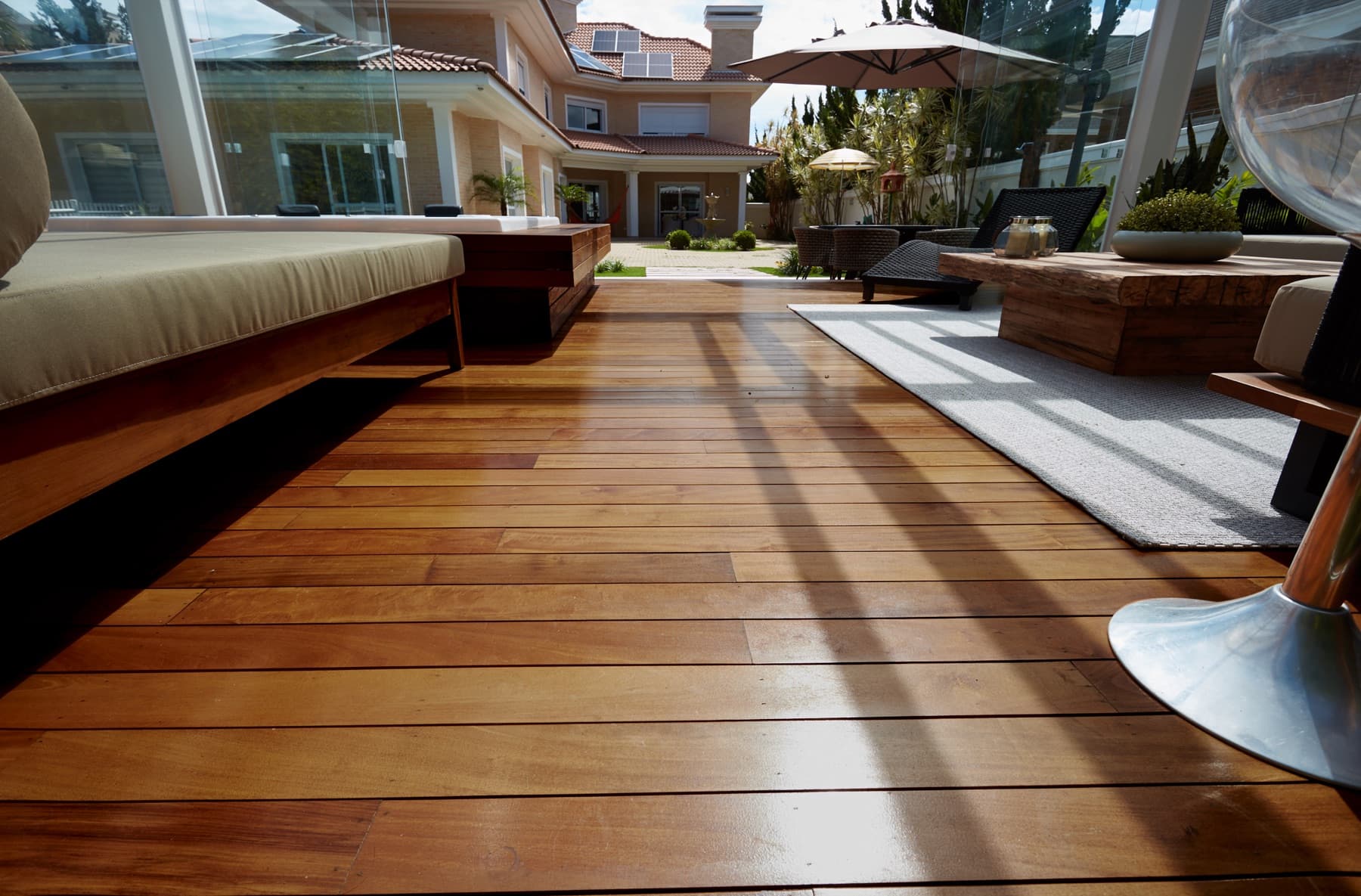
Sablewood is a pre-finished hardwood decking material. The pre-finishing is intended to offer a consistent starting appearance and a simpler care plan compared to raw hardwoods. In winter, this finish plays a role in how the material handles moisture from snow and ice.
Hardwoods, by nature, can react to significant changes in temperature and moisture. While Sablewood is selected for outdoor applications, proper installation that allows for drainage and ventilation is essential, especially in areas where snow melt and refreeze cycles are common. The material is designed for authentic hardwood character, but its performance in winter is also supported by good design and maintenance practices.
Drainage and Ventilation Under Snow
Effective drainage is paramount for any deck, particularly in winter. As snow melts, water must be able to escape the deck surface and not accumulate. This means ensuring proper spacing between deck boards as specified by the manufacturer, allowing water to drain through.
Equally important is ventilation beneath the deck. Trapped moisture under a deck can lead to issues, especially during freeze-thaw cycles. A well-ventilated under-deck space helps to dry out the structure and the underside of the decking, reducing the risk of moisture-related problems. In winter, even with snow cover, air movement can help mitigate moisture accumulation once temperatures rise and snow begins to melt.
Managing Snow and Ice on Sablewood
When snow accumulates on a Sablewood deck, it's generally advisable to remove heavy loads to prevent excessive stress on the deck structure. While Sablewood is a substantial hardwood, the deck frame itself has load limits. Using a plastic shovel or a snow pusher with a plastic edge can help clear snow without scratching the pre-finished surface.
Avoid using metal shovels or sharp tools directly on the decking, as these can damage the finish and the wood itself. For ice, allow it to melt naturally if possible. If deicers are necessary, choose products that are explicitly labeled as safe for wood surfaces. Many common rock salts can be corrosive or leave residues that may affect the appearance or integrity of the wood over time. Always test any deicer on an inconspicuous area first.
Post-Winter Inspection and Care
Once winter has passed and the snow has fully melted, it is a good practice to inspect your Sablewood deck. Look for any areas where water might have pooled, check the condition of the finish, and ensure all drainage pathways are clear. Remove any debris that may have accumulated over the winter months.
A gentle cleaning with a broom and water can help remove winter grime. If deeper cleaning is needed, consult the maintenance guidance for the selected finish. This post-winter check-up helps identify any minor issues before they become larger problems and prepares the deck for warmer seasons.
Worked Example: Planning a Winter-Ready Sablewood Deck
Consider a hypothetical 12-foot by 16-foot Sablewood deck attached to a home in a region with significant snowfall. The design must account for winter conditions.
First, the deck frame should be designed by a qualified professional to meet local snow load requirements. For the decking itself, Sablewood boards, typically available in various lengths and widths, would be installed with the manufacturer's specified gapping for optimal drainage.
To calculate the number of boards for the 12-foot width: 12 feet = 144 inches. You would likely need 26 full boards for the width, with the last board potentially ripped to size. For the 16-foot length, if using 16-foot boards, you would need 26 boards. If shorter boards are used, careful planning for butt joints and support is needed.
The area under the deck would be designed with sufficient clearance and open lattice or skirting to allow for air circulation and prevent moisture buildup. During winter, homeowners would be advised to use a plastic snow shovel to clear heavy snow. If ice patches form, a non-corrosive, wood-safe deicer would be recommended, applied sparingly and rinsed off once the ice has melted to prevent residue buildup. A spring inspection would include checking board gaps for debris and ensuring the deck's surface is clean.
Before you order
- Confirm local snow load requirements for deck framing.
- Verify specified board spacing for Sablewood to ensure adequate drainage.
- Plan for sufficient under-deck ventilation to prevent moisture trapping.
- Select appropriate snow removal tools (e.g., plastic shovels) to protect the deck surface.
- Identify wood-safe deicer options for ice management, if necessary.
- Establish a post-winter inspection and cleaning routine.
- Review manufacturer's maintenance guidance for the specific Sablewood finish.
- Consider the overall site drainage to direct melting snow away from the deck perimeter.
Confirm installation details, approved uses and warranty terms in the current instructions for the exact product and profile. Your installer should verify the substrate, structure and applicable project requirements.
Questions to help you decide
Can Sablewood decking be installed in regions with heavy snowfall?
Yes, Sablewood decking can be installed in regions with heavy snowfall, provided the underlying deck structure is engineered to meet local snow load requirements. Proper board spacing for drainage and under-deck ventilation are critical considerations for winter performance.
What is the best way to remove snow and ice from Sablewood decking?
For snow removal, use a plastic shovel or a snow pusher with a plastic edge to avoid damaging the pre-finished surface. For ice, allow it to melt naturally when possible. If a deicer is necessary, choose one specifically labeled as safe for wood decking and test it in an inconspicuous area first to prevent potential damage or discoloration.
Does Sablewood decking require special maintenance after winter?
After winter, it's recommended to inspect your Sablewood deck for any debris in the board gaps and to ensure the surface is clean. A gentle cleaning with a broom and water can remove winter grime. Refer to the specific maintenance guidance for your selected Sablewood finish for any deeper cleaning or refinishing recommendations.
Plan Your Winter-Ready Sablewood Deck
Ready to specify Sablewood decking for your project? Request a material quote with your project dimensions, desired profile, and ZIP code to confirm current availability and service options. Our team can help match the profile, quantity, and finish to your drawings and installation approach.
Request a material quote →