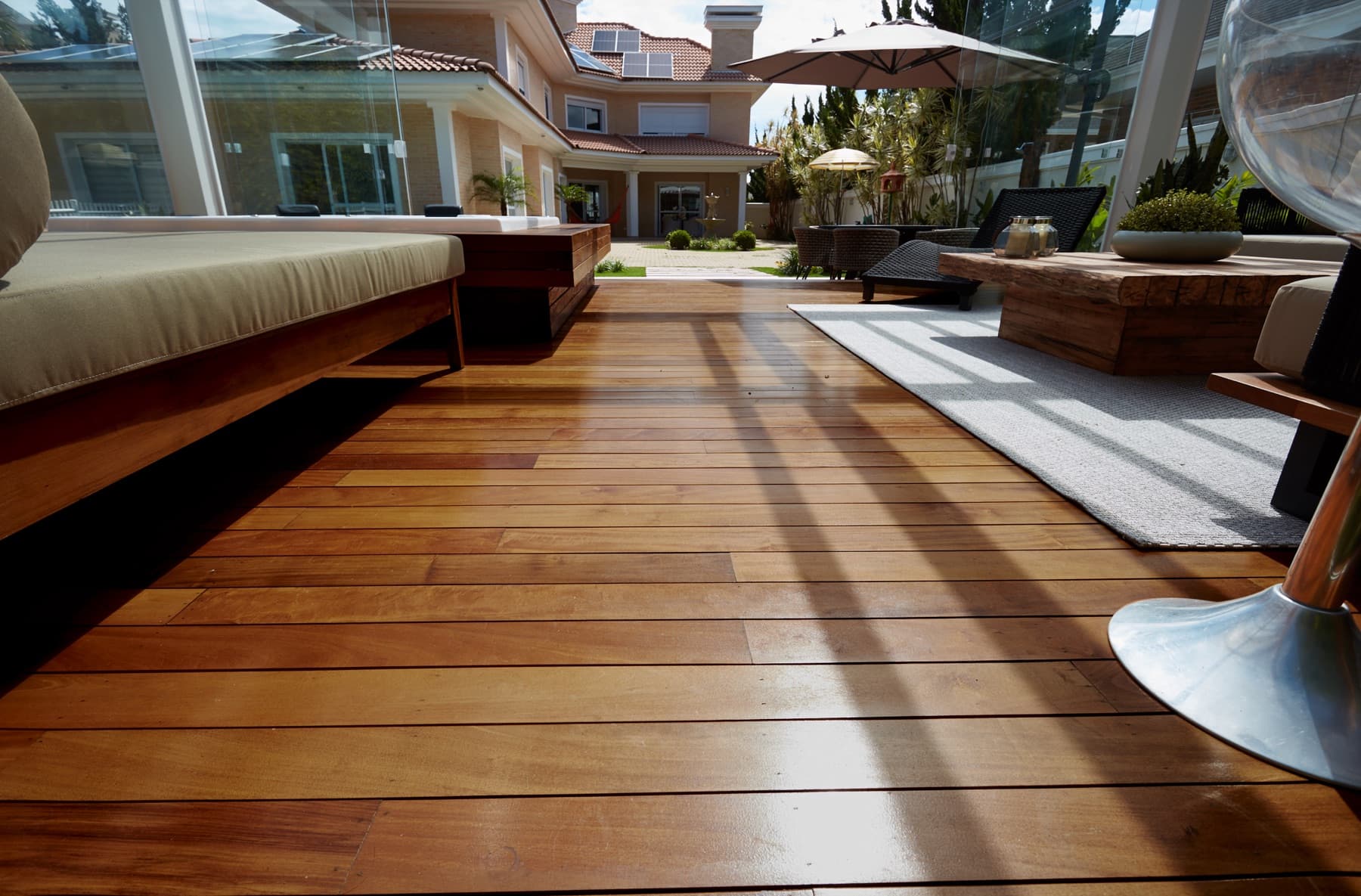
Understanding Sablewood Decking Samples
When you receive Sablewood decking samples, you'll notice they represent the pre-finished nature of the product. This means the color and surface treatment are applied before installation, aiming for a consistent appearance. However, variations can still occur due to the natural characteristics of hardwood. Each sample piece, even from the same batch, will have unique grain patterns and subtle color shifts. These are not defects but inherent qualities of real wood.
Sablewood is a substantial hardwood, offering a tactile experience that digital images cannot replicate. The pre-finish contributes to its low-maintenance profile, reducing the need for immediate on-site finishing decisions. Understanding that your sample reflects this ready-to-spec finish is the first step in proper evaluation.
Evaluating Samples in Different Lighting Conditions
The lighting under which you view your Sablewood samples will dramatically affect their perceived color and tone. A sample viewed indoors under artificial light will look different outdoors in direct sunlight, partial shade, or on an overcast day. This is particularly crucial for decking, which is exposed to the full spectrum of natural light.
Take your samples to the actual project site at different times of the day. Observe them in morning light, midday sun, and late afternoon. Pay attention to how the wood's natural tones, combined with the pre-finish, interact with varying light intensities. Direct sunlight can make colors appear lighter, while shade might deepen them. This exercise helps you anticipate the decking's appearance throughout the day and across seasons.
Assessing Texture and Profile
Sablewood offers a distinct hardwood feel for outdoor surfaces. While the pre-finish provides a consistent initial appearance, the physical texture of the wood remains. Run your hand over the sample to feel the surface. Consider how this texture will feel underfoot, especially if the deck will be a barefoot area. The profile of the decking board also matters; different profiles can create varied visual lines and shadow effects.
If custom milling is an option for Sablewood, the sample may only represent the material, not the exact profile you plan to order. Confirm with Lumber Plus if your sample reflects the standard profile or a specific custom option. The profile can influence water runoff and overall deck aesthetics.
Coordinating with Adjacent Finishes and Materials
Your new Sablewood deck will not exist in isolation. It will be adjacent to your home's siding, existing landscaping, patio furniture, railings, and other outdoor elements. Bring your Sablewood samples into proximity with these existing finishes. Does the decking's color complement your home's exterior paint or stone? Does it clash with your outdoor cushions or planters?
Consider the overall palette of your outdoor space. A sample that looks perfect on its own might look out of place next to a brick facade or a concrete patio. This step helps ensure a cohesive and harmonious design for your entire outdoor living area. Think about how the Sablewood will integrate with elements like pergolas or patio areas if those are part of your broader project plan.
Using Sample Labels and Documentation
Each Sablewood sample should come with clear labeling or documentation specifying the exact product, profile, and finish. Keep this information organized. It's easy to mix up samples, especially if you're evaluating multiple options or if you have different profiles in mind. Accurate labeling prevents ordering the wrong material.
Refer to the product specifications provided by Lumber Plus for Sablewood. This documentation will offer details on dimensions, available profiles, and maintenance guidance specific to the selected finish. Cross-referencing your physical sample with its documentation ensures you are making decisions based on the correct product attributes.
Worked Example: Evaluating Sablewood for a Patio Extension
Imagine you are planning a 12-foot by 16-foot Sablewood deck extension for an existing concrete patio. You've received two Sablewood samples: one standard profile and one with a slightly wider board profile, both with the same pre-finish. Your house has light gray stucco siding and a dark gray shingle roof. Your existing patio furniture includes black metal frames with natural beige cushions.
First, place both samples on the concrete patio. Observe them at different times of day. In morning sun, the standard profile might appear slightly warmer, while the wider board profile, with its larger surface area, might reflect more light. Then, hold each sample against the light gray stucco. Does either sample create a strong contrast or a harmonious blend? Next, place the samples on the patio and bring out one of your outdoor cushions. See how the decking color interacts with the beige fabric and black metal. You might find that the wider board profile creates a more contemporary feel that better matches your furniture, even if the color difference is subtle. Finally, check the labels to ensure you know which sample corresponds to which profile, and make notes on your preferences and observations under various conditions.
Before you order
- Have I viewed the samples at the project site?
- Have I observed the samples in direct sunlight, partial shade, and overcast conditions?
- Have I considered the appearance of the samples at different times of day (morning, midday, late afternoon)?
- Have I physically touched the samples to assess the texture?
- Does the sample profile match what I intend to order, or is it illustrative of the material?
- Have I placed the samples next to existing elements like house siding, landscaping, and outdoor furniture?
- Do the samples complement or clash with my overall outdoor color scheme?
- Are the samples clearly labeled with the exact product, profile, and finish?
- Have I reviewed the product documentation for the specific samples I am considering?
Confirm installation details, approved uses and warranty terms in the current instructions for the exact product and profile. Your installer should verify the substrate, structure and applicable project requirements.
Questions to help you decide
Can I expect the delivered Sablewood boards to look exactly like the sample?
Sablewood is a natural hardwood, and while it is pre-finished for consistency, some natural variations in grain, color, and tone are inherent to wood. Samples provide an excellent representation, but expect subtle differences in the full order due to the organic nature of the material. The pre-finish helps to minimize drastic variations.
How large should my Sablewood sample be to be useful?
Ideally, samples should be large enough to give you a good sense of the board's width and a portion of its length, typically at least 12-18 inches long. Smaller 'swatch' samples are less effective for visualizing the overall appearance and grain pattern of the full decking board.
What if I can't decide between two Sablewood samples?
If you're torn between two options, revisit them at different times of day and with all your adjacent materials. Sometimes, taking a photograph of both samples side-by-side with your home's exterior can help you see them with fresh eyes. Consider which option aligns best with the long-term aesthetic you envision for your outdoor space. If available, request slightly larger samples for a better comparison.
Request a Quote for Sablewood Decking Materials
Ready to move forward with your Sablewood decking project? Provide your project dimensions, desired profile, and ZIP code to receive a material quote. We can also confirm current availability and service options for your location.
Request a material quote →