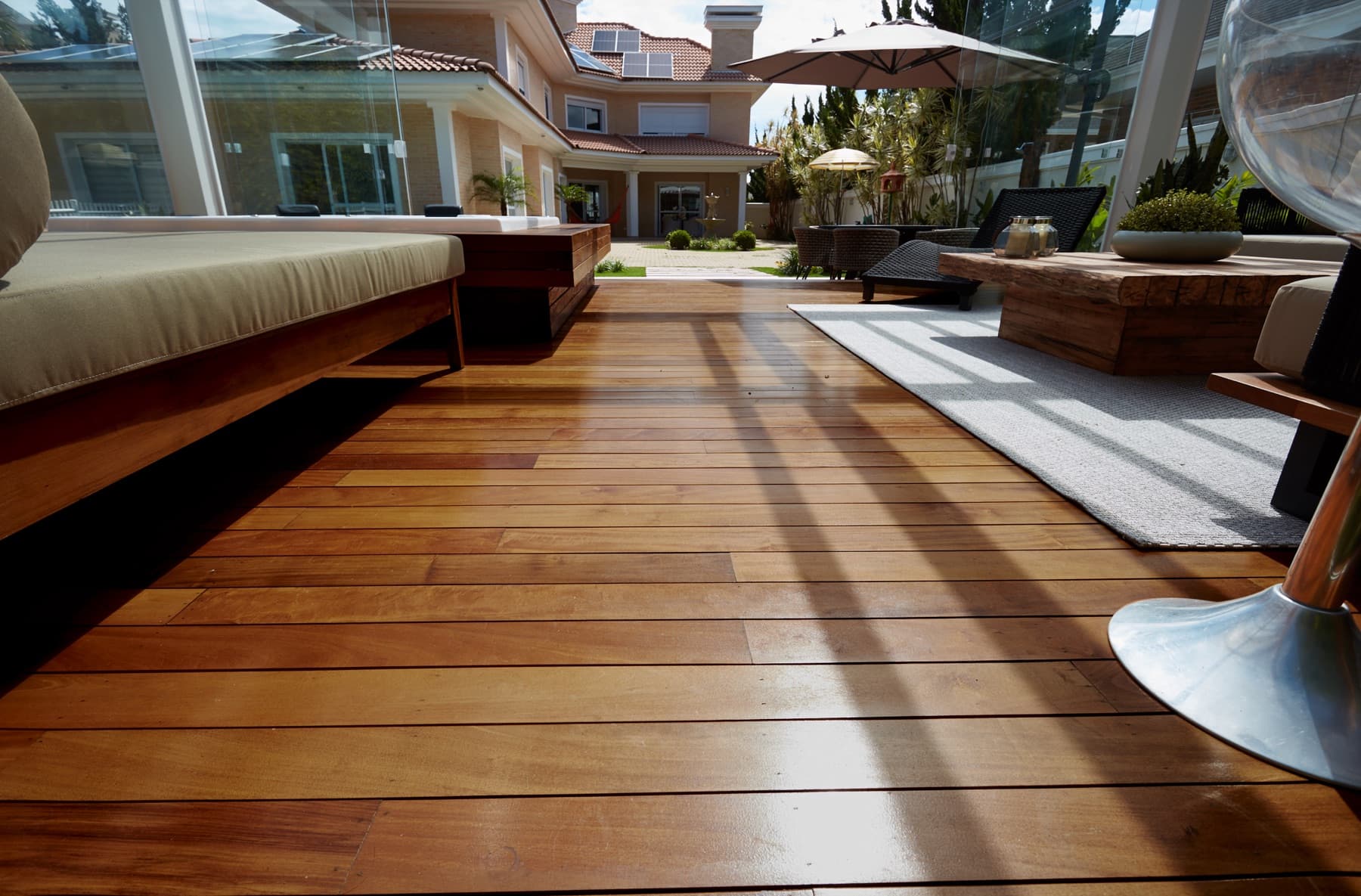
Evaluate the Existing Deck Structure
The most critical step in any deck renovation is a thorough inspection of the existing structural frame. Sablewood decking, like all decking materials, relies on a sound and stable sub-structure. Assess the condition of joists, beams, and ledger boards for any signs of rot, insect damage, or excessive deflection. Even if the surface boards are deteriorated, a healthy substructure can potentially be reused.
Consider the age of the existing frame. Wood frames have a finite lifespan, and if the frame is nearing the end of its service life, a full replacement might be more cost-effective in the long run than resurfacing. Consult with a qualified builder or inspector to determine the structural integrity and load-bearing capacity of your current deck frame. Any structural deficiencies must be addressed and repaired or replaced before installing new decking.
Assess Joist Spacing and Decking Profile Compatibility
Sablewood decking is available in various profiles and dimensions, which are specified to work with particular joist spacing. Before committing to Sablewood, measure the on-center spacing of your existing deck joists.
If your existing joist spacing does not align with the recommended span for Sablewood decking, you may need to add additional blocking or sister new joists to meet the product's installation requirements. This ensures proper support and prevents deflection or movement of the new deck boards. Verify the exact profile and recommended joist spacing with Lumber Plus when requesting a quote for Sablewood.
This adds labor and material costs to the renovation.
Consider Existing Fastener Type and Assembly
The method of fastening your new Sablewood decking to the existing frame is an important consideration. Sablewood can be installed using face-fasteners or compatible hidden fastening systems. If your existing frame has specific characteristics from a previous hidden fastener system, ensure these do not interfere with the chosen Sablewood installation method.
Examine the condition of the existing joist tops. If they are heavily scarred or uneven from previous fastening, they may need to be planed down or capped with joist tape to provide a clean and level surface for the new decking. This helps ensure a smooth, secure installation and can contribute to the longevity of the new deck boards.
Surface Preparation and Drainage
Even with a sound structure, proper surface preparation is vital. Clean the entire deck frame thoroughly, removing any debris, dirt, or mildew. Ensure that the deck structure allows for adequate drainage away from the house and prevents water from pooling on or under the deck. Poor drainage can lead to moisture accumulation, which can compromise both the deck frame and the new decking over time.
Consider installing joist tape on top of your existing joists. This protective barrier can help shield the wood from moisture, extending the life of the substructure and providing a better surface for the new decking. While Sablewood itself is designed for outdoor exposure, protecting the underlying structure is a crucial part of a durable renovation.
Worked Example: Resurfacing a 12'x16' Deck
Let's consider a hypothetical renovation of a 12-foot by 16-foot existing deck. The homeowner wants to replace the old decking with Sablewood.
The Sablewood product chosen is a 5.5-inch wide board. To cover the 16-foot length, approximately 35 boards (16 feet * 12 inches/foot / 5.5 inches/board = 34.9 boards) would be needed for each 16-foot run. Since boards are typically sold in even lengths, and to account for any cuts and waste, one might plan for 36 boards of 16-foot length, or a combination of shorter lengths to minimize waste for a total of 576 linear feet (36 boards * 16 feet/board).
For the 12-foot width, if using 12-foot boards, approximately 26 boards (12 feet * 12 inches/foot / 5.5 inches/board = 26.18 boards) would be needed per 12-foot run. This example assumes a straight layout without special patterns or borders. If it were wider, additional joist sistering would be required.
Before you order
- Has the existing deck structure (joists, beams, ledger) been thoroughly inspected for rot, damage, or excessive deflection?
- Is the existing joist spacing compatible with the chosen Sablewood decking profile's span requirements?
- If joist spacing is incompatible, have plans been made for adding blocking or sistering joists?
- Are the existing joist tops clean, level, and prepared for new decking (e.g., with joist tape)?
- Is the deck's drainage adequate to prevent water pooling on or under the new decking?
- Have you considered the total cost, including any necessary structural repairs or modifications, in addition to the Sablewood decking material?
- Have you confirmed the desired Sablewood profile, dimensions, and finish with Lumber Plus?
- Have you accounted for potential waste and ordered extra material (typically 5-10%) for cuts and unforeseen issues?
Confirm installation details, approved uses and warranty terms in the current instructions for the exact product and profile. Your installer should verify the substrate, structure and applicable project requirements.
Questions to help you decide
Can I install Sablewood decking directly over my old deck boards?
No, Sablewood decking should not be installed directly over existing deck boards. For proper ventilation, drainage, and structural integrity, the old decking must be removed, and the Sablewood should be fastened to a sound and prepared substructure.
Does Sablewood require special fasteners for renovation projects?
Sablewood can be installed with either face-fasteners or compatible hidden fastening systems. The choice of fastener depends on your aesthetic preference and installation method. Always follow the manufacturer's recommendations for specific fastener types and spacing to ensure a secure and lasting installation.
What if my existing deck frame is not level?
An unlevel deck frame must be leveled before installing new Sablewood decking. This may involve shimming joists, adjusting ledger board connections, or other structural modifications. Installing new decking on an uneven frame will result in an uneven finished surface and can compromise the integrity of the installation.
Ready to Plan Your Sablewood Deck Renovation?
Request a material quote with your project dimensions, desired Sablewood profile, and ZIP code to confirm current availability and service options for your renovation. Our team can help you assess the right quantity and compatible profiles.
Request a material quote →