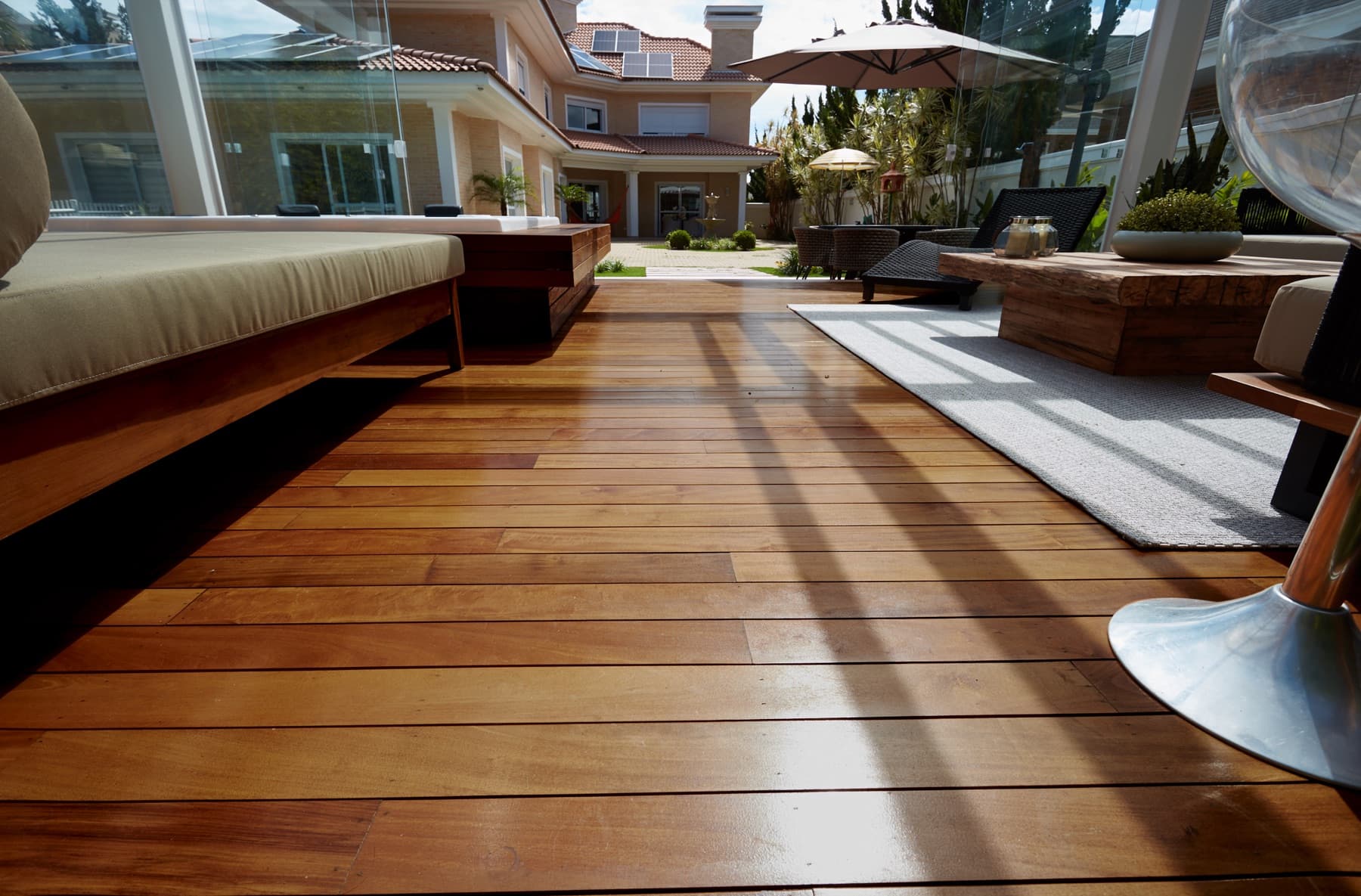
Understanding the Impact of Shade on Decking
Shade, whether from tall trees, an adjacent building, or an overhead structure, significantly alters the microclimate of a deck. Reduced sunlight exposure means slower evaporation of moisture from rain, dew, or cleaning. This extended drying time can increase the likelihood of surface growth, such as mildew or algae, and may affect the deck's overall appearance if not properly managed.
While Sablewood is designed for outdoor use, understanding these environmental factors is crucial for any hardwood decking. The goal is to create conditions that facilitate drying and minimize moisture accumulation, even in a perpetually shaded setting.
Ensuring Adequate Ventilation Beneath the Deck
Ventilation beneath the deck is paramount for shaded installations. Stagnant, moist air trapped below the deck can contribute to issues on both the decking surface and the substructure. Proper airflow helps to dry out the underside of the boards and the supporting joists, reducing the risk of moisture-related problems.
Consider the following for ventilation: an open-lattice skirting instead of solid enclosures, ensuring sufficient clearance between the ground and the lowest part of the deck, and avoiding dense landscaping that could block airflow. For decks close to the ground, alternative substructure designs might be necessary to promote cross-ventilation. Always refer to manufacturer guidelines for minimum ground clearance and ventilation requirements specific to Sablewood.
Planning for Drainage on and Around the Deck
Effective drainage is essential to prevent standing water on the deck surface and around its perimeter. Even with a pre-finished material like Sablewood, prolonged pooling can impact the surface and potentially contribute to moisture issues. Ensure the deck structure is built with a slight slope, typically 1/8 inch per foot, away from any adjacent structures to direct water runoff.
Beyond the deck surface, consider the surrounding landscape. Grade the ground away from the deck's perimeter to prevent water from collecting underneath. Installing French drains or other perimeter drainage solutions might be beneficial in particularly wet or shaded areas to manage subsurface moisture.
Sablewood Maintenance in Shaded Environments
While Sablewood is a low-maintenance hardwood, shaded decks may require more frequent cleaning than sun-exposed areas. The slower drying times can encourage the growth of mildew or algae, which can appear as dark spots or a greenish film on the surface.
Regular cleaning with appropriate deck cleaners, following the manufacturer's instructions, is important. Avoid harsh chemicals or pressure washing that could damage the pre-finish. Gentle scrubbing with a soft brush and rinsing with water is often sufficient. Promptly remove any leaves, dirt, or debris that can trap moisture on the deck surface. A pre-finished surface can simplify care, but proactive cleaning is still beneficial for shaded applications.
Worked Example: Planning Sablewood for a Shaded Backyard Deck
Consider a hypothetical backyard deck project measuring 12 feet by 16 feet, located in a heavily shaded area due to mature trees. The homeowner desires Sablewood decking for its authentic wood look and pre-finished convenience. The existing ground is relatively flat, with a slight slope towards the house.
For this project, the primary concerns are ventilation and drainage. Instead of solid skirting, a decorative lattice paneling will be installed around the perimeter to promote cross-ventilation while still offering a finished look.
To manage drainage, the deck will be constructed with a 1/8-inch per foot slope away from the house. Additionally, a gravel bed will be laid underneath the deck to prevent weed growth and facilitate water percolation. The surrounding landscape will be re-graded to ensure surface water drains away from the deck's foundation. The Sablewood boards, typically available in various lengths, will be spaced according to product specifications to allow for proper water runoff and air circulation between boards. Regular inspection and cleaning will be factored into the homeowner's routine.
For a 12-foot by 16-foot deck (192 square feet), using standard 5.5-inch wide Sablewood boards (actual coverage, ignoring waste or cuts), you would need approximately 420 linear feet of decking. Assuming 16-foot board lengths are preferred for fewer seams, you would initially calculate 26.25 boards (192 sq ft / (16 ft * 5.5 in / 12 in/ft)). Rounding up to the nearest whole board, and accounting for potential waste from cuts and trim, an order of 28-30 x 16-foot boards would be a practical starting point, plus any required fascia or trim pieces. Always confirm exact dimensions and waste factors with your supplier.
Before you order
- Assess the degree and duration of shade on the deck area.
- Verify minimum ground clearance requirements for Sablewood in shaded conditions.
- Plan for adequate ventilation beneath the deck (e.g., lattice skirting, open design).
- Ensure the deck surface has a proper slope for water runoff (1/8 inch per foot recommended).
- Evaluate surrounding landscape drainage and re-grade if necessary.
- Consider subsurface drainage solutions (e.g., gravel bed, French drains) if ground moisture is high.
- Confirm cleaning product compatibility with Sablewood's pre-finish.
- Budget for more frequent cleaning and maintenance in shaded areas.
- Consult Sablewood installation guides for specific board spacing and fastening recommendations.
- Request a material quote with project dimensions, desired Sablewood profile, and ZIP code.
Confirm installation details, approved uses and warranty terms in the current instructions for the exact product and profile. Your installer should verify the substrate, structure and applicable project requirements.
Questions to help you decide
Does Sablewood require special treatment for shaded areas?
While Sablewood is pre-finished for durability, shaded areas benefit from enhanced ventilation and drainage planning. No special chemical treatments are typically required beyond standard cleaning. The key is to create an environment that minimizes prolonged moisture exposure through design and regular maintenance.
How often should I clean my Sablewood deck in a shaded location?
The cleaning frequency depends on the specific conditions of your shaded area. Generally, decks in shaded locations may require more frequent cleaning than those in full sun, perhaps quarterly or as soon as you notice any mildew or algae growth. Regular removal of leaves and debris is also important.
Can I use a pressure washer on my Sablewood deck?
It is generally not recommended to use high-pressure washers on pre-finished hardwood decking like Sablewood, as this can potentially damage the finish or the wood fibers. Always refer to the specific cleaning instructions for Sablewood, which typically recommend a soft brush and a mild, compatible deck cleaner.
Ready to Plan Your Shaded Sablewood Deck?
Contact Lumber Plus for a material quote. Provide your project dimensions, the exact Sablewood profile you're interested in, and your ZIP code to confirm current availability and service options. Our team can help you select the right materials for your shaded outdoor space.
Request a material quote →