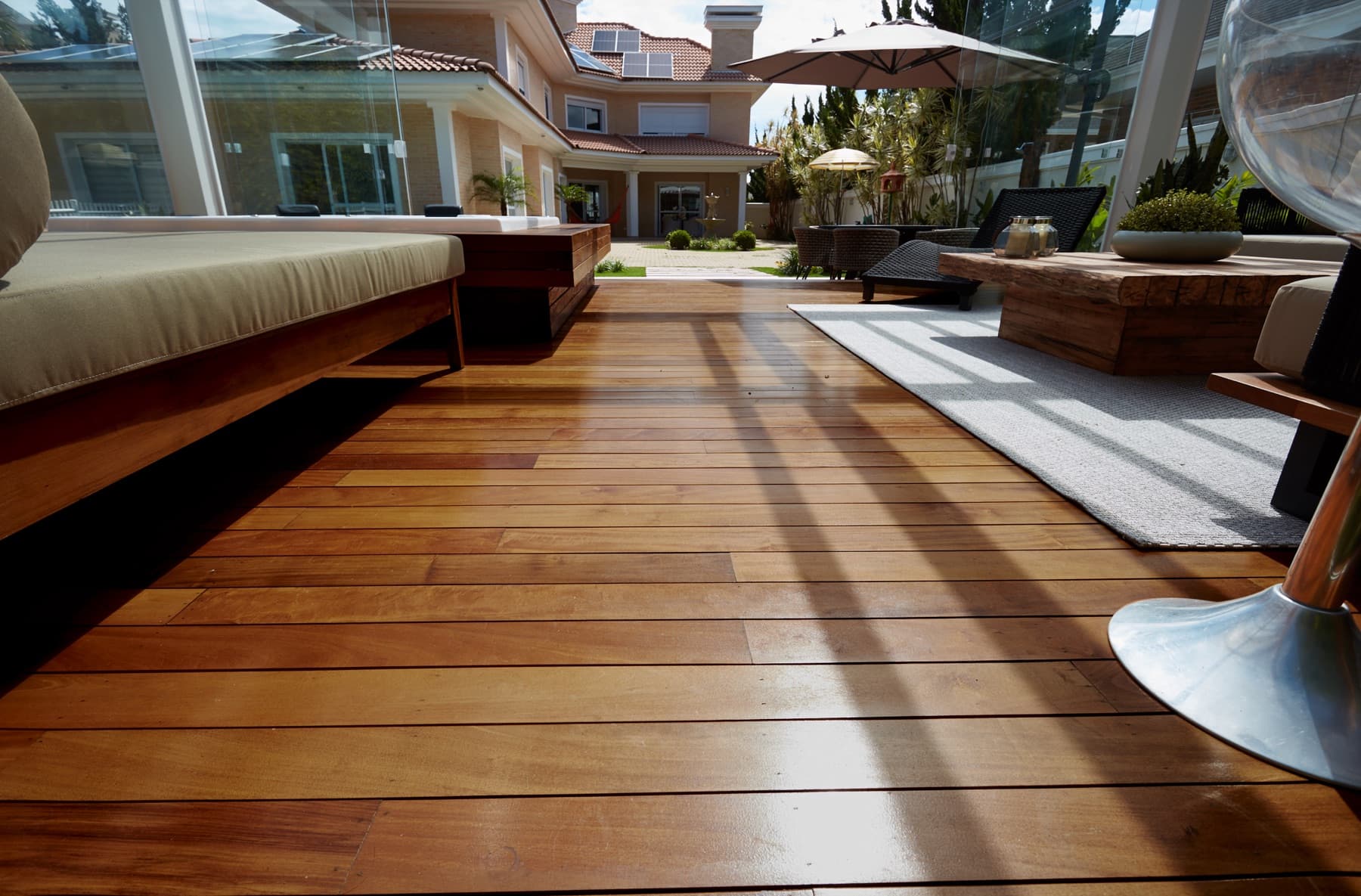
Understanding Sablewood Decking Profiles and Grooves
Sablewood hardwood decking is available in various profiles and dimensions. For hidden fastener systems, the presence and type of a grooved edge are critical. Some Sablewood boards may be custom milled to accommodate specific hidden fastener clips or systems. It is important to confirm the exact profile of the Sablewood decking you intend to use.
Typically, hidden fastener systems require boards with a pre-milled groove along the side. These grooves provide a channel for the clips to engage, securing the board to the joist without visible screws from the top surface. If your Sablewood decking does not have a pre-milled groove, some systems offer a router bit to create the necessary groove on site, though this adds a step to the installation process. Always verify the compatibility of the fastener system with the specific Sablewood board profile you have selected.
Types of Hidden Fastener Systems
Hidden fastener systems generally fall into a few categories, each with its own installation method and aesthetic. Rim clips or edge clips slide into the board's groove and are screwed into the top of the joist. These are popular for their straightforward installation.
Another type involves a clip that fits into the groove and is secured to the side of the joist. Some systems also use a proprietary fastening method that integrates directly into the board's design. The choice often depends on the desired board spacing, the installer's preference, and the specific requirements of the Sablewood profile.
Substrate Compatibility: Joist Material and Spacing
The type of substrate (the joists) beneath your Sablewood decking is a significant factor in hidden fastener compatibility. Most hidden fastener systems are designed for installation on traditional wood joists. However, if you are using alternative substructure materials, such as steel or aluminum joists, you must confirm that the chosen fastener system is approved for use with that material. Some systems may require specialized screws or clips for non-wood substructures.
Joist spacing is also important. Manufacturers of hidden fastener systems specify the maximum allowable joist spacing for their products to ensure adequate support and prevent decking board movement. Ensure your deck's joist spacing aligns with the recommendations of both the Sablewood decking and the chosen hidden fastener system.
Manufacturer Approval and Warranty Considerations
Always refer to the manufacturer's installation guidelines for both your Sablewood decking and the hidden fastener system. Using a fastener system not approved by the decking manufacturer could potentially affect any product warranty. Look for systems that explicitly state compatibility with hardwood decking or specifically with Sablewood if such information is available.
Some decking manufacturers may recommend specific brands or types of hidden fasteners that have been tested and verified to work effectively with their product. Following these recommendations can help ensure a successful installation and maintain the integrity of your decking.
A Hypothetical Example: Planning Hidden Fasteners for a Sablewood Deck
Consider a 10-foot by 12-foot Sablewood deck.
To calculate the approximate number of fasteners needed, first determine the number of board rows. For a 10-foot width (120 inches) and 5.5-inch wide boards, this is 120 / 5.5 = approximately 21.8 boards. We will assume 22 boards for calculation purposes, with some rip cuts for the final board. Each board will span across multiple joists.
This calculation is a rough estimate. Always consult the fastener manufacturer's coverage guide for precise quantities.
Before you order
- Verify Sablewood decking profile: Does it have a pre-milled groove?
- Confirm hidden fastener system compatibility with Sablewood board dimensions and groove type.
- Check if the fastener system is approved for your specific joist material (e.g., wood, steel, aluminum).
- Ensure joist spacing on your deck frame meets the fastener system's requirements.
- Review manufacturer's installation instructions for both decking and fasteners.
- Consider the aesthetic impact of the fastener system on board spacing.
- Calculate an estimated quantity of fasteners, including a buffer for waste.
Confirm installation details, approved uses and warranty terms in the current instructions for the exact product and profile. Your installer should verify the substrate, structure and applicable project requirements.
Questions to help you decide
Can I use hidden fasteners with any Sablewood decking board?
Not necessarily. Hidden fastener systems are typically designed for decking boards with a specific groove profile along the edge. If your Sablewood decking boards do not have this groove, you may need to use a router to create it, or opt for a face-fastening method. Always check the specifications of your Sablewood boards and the hidden fastener system for compatibility.
Do hidden fasteners affect the spacing between Sablewood deck boards?
Yes, most hidden fastener systems are designed to create a consistent gap between deck boards, which is important for drainage and ventilation. The size of this gap is usually predetermined by the fastener design. It's essential to confirm that this spacing meets the recommended guidelines for Sablewood decking, particularly regarding expansion and contraction.
Are hidden fasteners strong enough for heavy-use Sablewood decks?
When installed correctly and according to manufacturer specifications, hidden fastener systems provide a strong and durable connection for decking boards. The strength depends on the specific system, the quality of installation, and the underlying deck structure. Always ensure the chosen system is rated for the expected use of your deck and that all installation instructions are followed precisely.
Ready to Plan Your Sablewood Deck with Hidden Fasteners?
Request a material quote with your project dimensions, exact Sablewood profile, and ZIP code. We can help you confirm current availability and service options for both Sablewood decking and compatible hidden fastener systems.
Request a material quote →