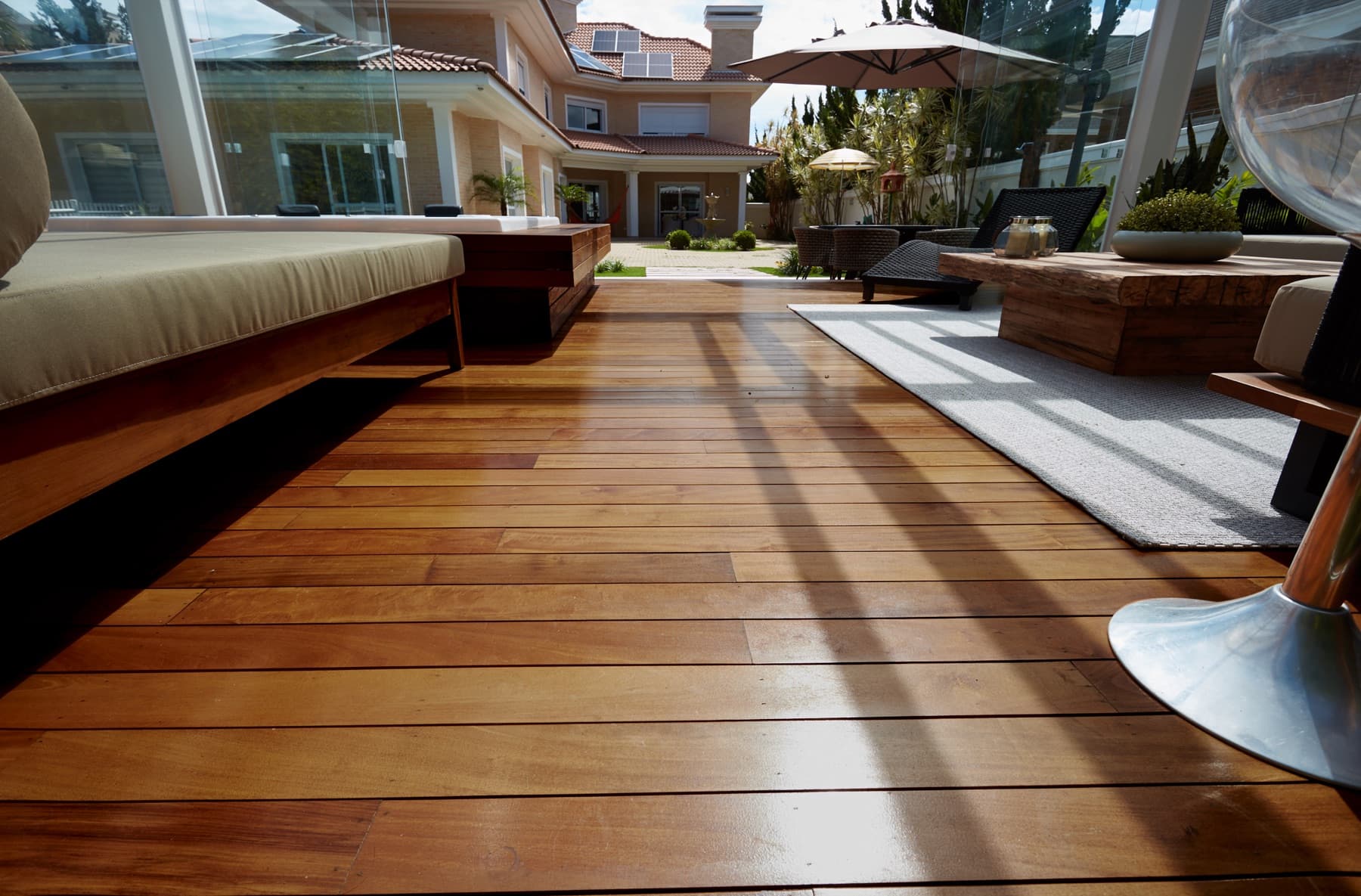
Why Frame Condition Matters for Sablewood Decking
Sablewood is a substantial hardwood decking material, known for its density and authentic wood character. While it is pre-finished and designed for low maintenance, the structural integrity of the supporting frame is paramount. A compromised frame can lead to an uneven deck surface, premature wear on the decking boards, or even safety hazards. Reusing a frame requires careful evaluation to ensure it can adequately bear the load of the new decking and any items placed on it, such as furniture, planters, or people.
The long-term performance and appearance of your Sablewood deck depend significantly on a stable and sound foundation. Addressing any frame deficiencies before installing new decking is more cost-effective and safer than attempting repairs afterward. This initial assessment is crucial for the longevity of your investment.
Initial Visual Inspection: What to Look For
Begin with a comprehensive visual inspection of your entire deck frame. Look for obvious signs of damage, decay, or deterioration. Pay close attention to critical structural components:
Joists: Check for bowing, twisting, cracks, or rot, especially where joists meet beams or ledger boards. Press a screwdriver into the wood in various spots; if it penetrates easily, rot may be present.
Beams: Inspect beams for sagging, splitting, or any signs of insect damage. Ensure they are level and securely fastened.
Posts: Verify that posts are plumb, firmly anchored to footings, and free from rot or decay at ground level and where they connect to beams.
Ledger Board: If your deck is attached to your house, examine the ledger board for secure attachment, flashing integrity, and any signs of water intrusion or rot in the house's rim joist.
Fasteners: Check all bolts, screws, and connectors for corrosion, looseness, or missing components. Replace any compromised fasteners.
Assessing Joist Spacing for Sablewood Decking
Sablewood decking, like other hardwood decking, requires specific joist spacing to ensure proper support and prevent sagging or cupping of the boards.
Measure the on-center spacing of your existing joists carefully. If your current joist spacing is wider than recommended for Sablewood decking, you may need to add additional joists or consider sistering existing joists to achieve the necessary support. This is a critical step, as insufficient support can void product performance expectations and lead to premature decking failure.
Consult the specific installation guidelines for your chosen Sablewood decking profile to confirm the required joist spacing. This information will dictate whether your existing frame is immediately suitable or requires modifications.
Evaluating Overall Structural Integrity and Code Compliance
Beyond individual component checks, assess the overall stability of the frame. Walk across the existing frame (if safe to do so) to feel for excessive bounce or movement. Consider the age of the deck; older decks may not meet current building codes, even if they appear sound. Local building codes are updated periodically, and a frame built decades ago might not be up to today's standards for load-bearing capacity or safety.
It is highly recommended to have a qualified contractor or structural engineer inspect your deck frame, especially if it is older or shows any signs of concern. They can provide an expert assessment, identify hidden issues, and advise on necessary repairs or upgrades to ensure the frame is safe and compliant for supporting your new Sablewood deck.
For decks in coastal areas or those exposed to harsh winter conditions, pay extra attention to corrosion on fasteners and potential moisture damage. These environments can accelerate frame deterioration, necessitating more thorough inspections and potential reinforcement.
Worked Example: Frame Assessment for a 10x12 Foot Deck
Let's assume you have an existing 10-foot by 12-foot deck frame, and you plan to install Sablewood decking.
During your visual inspection, you find the existing joists, beams, and posts are generally sound, with no significant rot or insect damage. To accommodate the Sablewood decking, you would need to add additional joists.
This modification ensures the Sablewood decking receives adequate support across its span.
This example illustrates that even a visually sound frame may require modifications to meet the specific requirements of a new, higher-quality decking material like Sablewood. Always check the manufacturer's guidelines for the chosen product.
Complementary Products for a Deck Resurfacing Project
When planning your Sablewood decking resurfacing project, consider these complementary products to ensure a complete and durable installation:
Deck Screws and Fasteners: Choose high-quality, corrosion-resistant deck screws specifically designed for hardwood and exterior use. Hidden fastening systems are also available for a clean, fastener-free surface. Explore options at our general decking accessories page: [/decking].
Flashing and Waterproofing: Ensure proper flashing is installed around the ledger board and any posts to protect against water intrusion and rot. Consider self-adhering flashing tape for joist tops to extend the life of your frame.
Deck Cleaners and Sealers: While Sablewood is pre-finished, regular cleaning is recommended. Discuss compatible cleaning products with your Lumber Plus representative. If you are considering other hardwood options, explore our Ipe decking: [/decking/hardwood/ipe].
Ventilation Solutions: Proper airflow beneath the deck is crucial to prevent moisture buildup and prolong the life of both the frame and the decking. Ensure there is adequate space and pathways for ventilation.
Other Decking Options: If your frame requires extensive modification or replacement, you might explore alternative decking materials, such as composite decking: [/decking/composite] or PVC decking: [/decking/pvc].
Before you order
- Perform a thorough visual inspection for rot, cracks, and insect damage on all frame components (joists, beams, posts, ledger).
- Check all fasteners for corrosion, looseness, or missing hardware.
- Measure existing joist spacing and compare it to the specific requirements for your chosen Sablewood decking profile.
- Assess the overall stability of the frame for excessive bounce or movement.
- Consider the age of the deck and whether it might meet current local building codes.
- Consult a qualified contractor or structural engineer for an expert assessment, especially for older or questionable frames.
- Plan for necessary frame repairs or modifications (e.g., adding joists) before ordering new decking.
- Account for proper ventilation under the deck.
- Select appropriate corrosion-resistant fasteners compatible with Sablewood and your frame.
Confirm installation details, approved uses and warranty terms in the current instructions for the exact product and profile. Your installer should verify the substrate, structure and applicable project requirements.
Questions to help you decide
How do I know if my deck frame is strong enough for Sablewood?
A visual inspection for rot, cracks, and secure connections is the first step. Crucially, verify that your joist spacing meets the specific requirements for Sablewood decking, which may be tighter than for other materials. For definitive assurance, a professional structural engineer or experienced contractor can assess the frame's load-bearing capacity and overall integrity.
What if my joist spacing is too wide for Sablewood decking?
If your joist spacing exceeds the recommended maximum for Sablewood, you will need to modify the frame. This typically involves adding new joists between existing ones (known as 'sistering' or adding 'infill' joists) to achieve the required on-center spacing. This ensures proper support for the decking boards and prevents sagging or cupping.
Do I need to replace all the fasteners in my old deck frame?
It is highly recommended to inspect all existing fasteners. Any that show signs of corrosion, looseness, or damage should be replaced with new, corrosion-resistant fasteners suitable for exterior use. Using new fasteners ensures the integrity of the frame and its ability to securely hold the new Sablewood decking.
Request a Quote for Sablewood Decking
Ready to transform your deck? Provide your project dimensions, desired Sablewood profile, and ZIP code to request a material quote. We can help you confirm current availability and service options for your project.
Request a material quote →