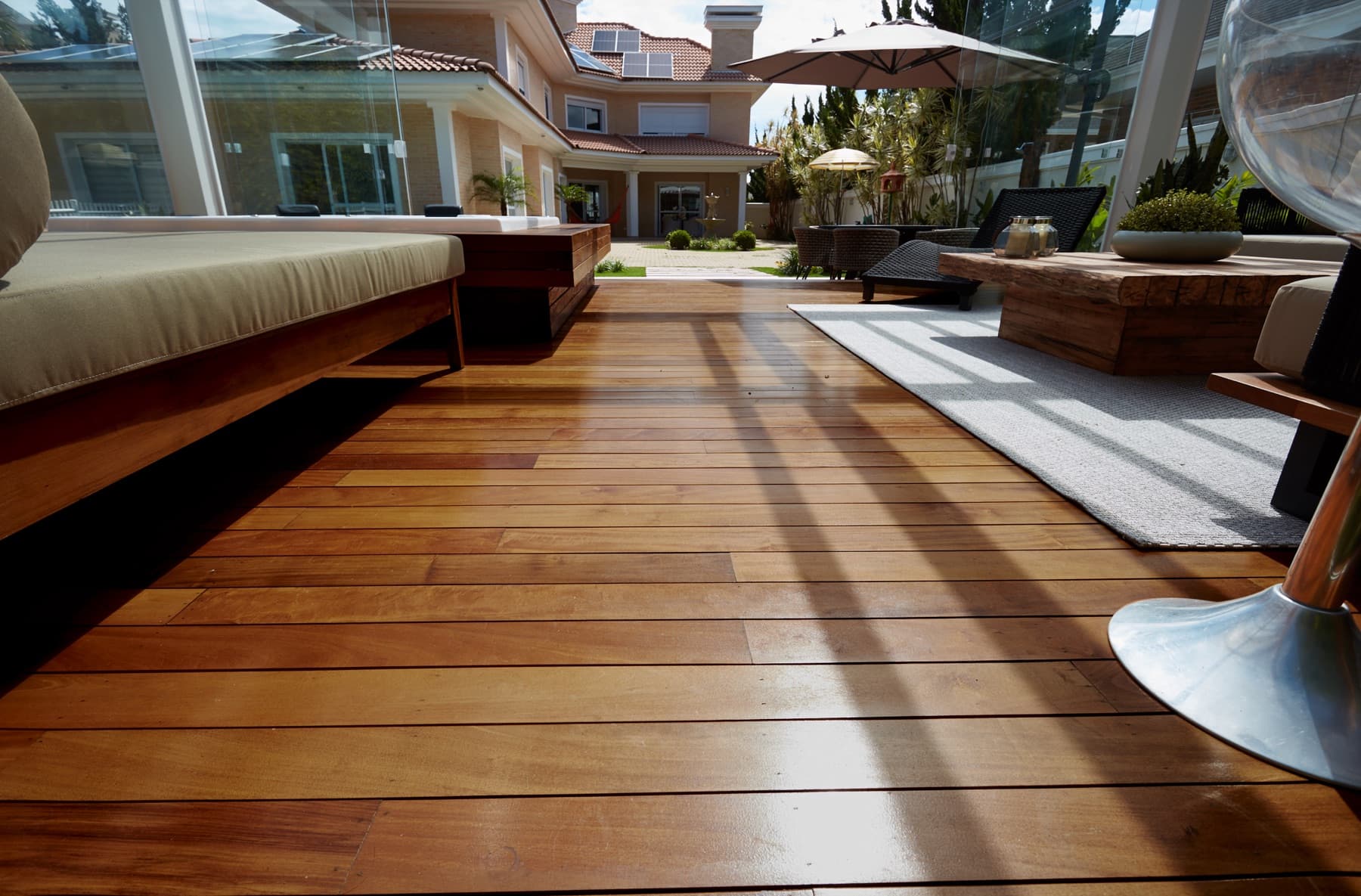
Understanding Sablewood Decking for Face-Fastening
Sablewood is a pre-finished hardwood, meaning it arrives on-site with a consistent appearance and a reduced need for immediate on-site finishing decisions. This pre-finishing contributes to a simpler care plan compared to some untreated hardwoods. Its substantial feel makes it suitable for outdoor surfaces and architectural applications where authentic wood is desired.
When considering face-fastening, the inherent characteristics of Sablewood, such as its density and pre-finished surface, influence the type of fasteners and installation techniques required. Proper preparation, including pre-drilling, is essential to prevent splitting and ensure secure attachment without damaging the pre-finish.
Selecting the Right Screws for Sablewood
The choice of screws is critical for face-fastening Sablewood. You will need exterior-grade screws designed for hardwood applications.
Consider screws with self-tapping tips and reverse threads near the head, which can help draw the board down tightly and prevent mushrooming of the wood surface. The head style, such as a trim head or flat head, will also impact the final appearance and how the screw sits flush with or slightly below the deck surface for plugging.
The Importance of Pilot Holes and Countersinking
For dense hardwoods like Sablewood, drilling pilot holes is not optional; it is essential. Pilot holes prevent the wood from splitting, especially near the ends of boards. The diameter of the pilot hole should match the shank of the screw, not the threads. Your installer should use a drill bit that is slightly smaller than the screw shank to allow the threads to grip the wood effectively.
Countersinking is also necessary to allow the screw head to sit flush with or slightly below the deck surface. This creates a neat finish and prepares the hole for wood plugs if that aesthetic is desired.
Achieving a Clean Finish with Wood Plugs
For a refined look where fasteners are less visible, wood plugs can be used to conceal face screws. This method involves drilling a counterbore deep enough to accommodate both the screw head and a plug. After the screw is driven, a matching Sablewood plug is glued into the counterbore, creating a seamless surface. The plug is then sanded flush with the deck board once the adhesive has cured.
When selecting plugs, ensure they are made from the same species as the Sablewood decking for consistent color and grain. Pre-made tapered plugs are available and simplify the process. This technique requires precision drilling and careful installation to achieve the desired aesthetic.
Worked Example: Face-Fastening a Sablewood Deck Board
Consider a hypothetical Sablewood deck board measuring 1 inch thick by 6 inches wide and 12 feet long.
For each screw location, the installer would first drill a pilot hole using a bit sized for the screw shank.
Finally, a pre-made Sablewood plug, cut to approximately 3/8-inch diameter, would be inserted with a small amount of exterior-grade adhesive. After the adhesive cures, the plug would be carefully sanded flush with the deck surface.
Before you order
- Verify screw length is appropriate for deck board thickness and joist penetration.
- Ensure pilot hole diameter matches screw shank to prevent splitting.
- Check for proper countersinking or counterboring for flush finish or plugs.
- Decide on the use of wood plugs for a concealed fastener look.
- Confirm plug material matches Sablewood for aesthetic consistency.
- Discuss adhesive type for plugs, ensuring it's exterior-grade.
- Review joist spacing to determine the number of fasteners per board.
- Confirm installer's experience with face-fastening dense hardwoods.
Confirm installation details, approved uses and warranty terms in the current instructions for the exact product and profile. Your installer should verify the substrate, structure and applicable project requirements.
Questions to help you decide
Why is face-fastening sometimes preferred over hidden fasteners for Sablewood?
Face-fastening offers a direct mechanical connection, which some installers prefer for its perceived strength and durability. It can also be a more straightforward installation method in certain scenarios, potentially reducing labor time. Aesthetically, it provides a traditional look, especially when combined with wood plugs for a refined finish.
What maintenance is required for face-fastened Sablewood decking?
Maintenance for face-fastened Sablewood largely mirrors that of Sablewood installed with hidden fasteners. Regular cleaning to remove debris and dirt is important. If plugs are used, periodically check them for adhesion and re-glue any that become loose. The pre-finished surface of Sablewood simplifies care, but all outdoor wood benefits from routine inspection and cleaning to maintain its appearance and longevity.
Can I use any screw for face-fastening Sablewood?
No, it's crucial to use exterior-grade screws specifically designed for hardwood decking. Standard screws may corrode, stain the wood, or lack the necessary strength to securely hold dense hardwoods.
Ready to Plan Your Sablewood Decking Project?
Request a material quote with your project dimensions, desired Sablewood profile, and ZIP code. We can help you confirm current availability and service options for your project.
Request a material quote →