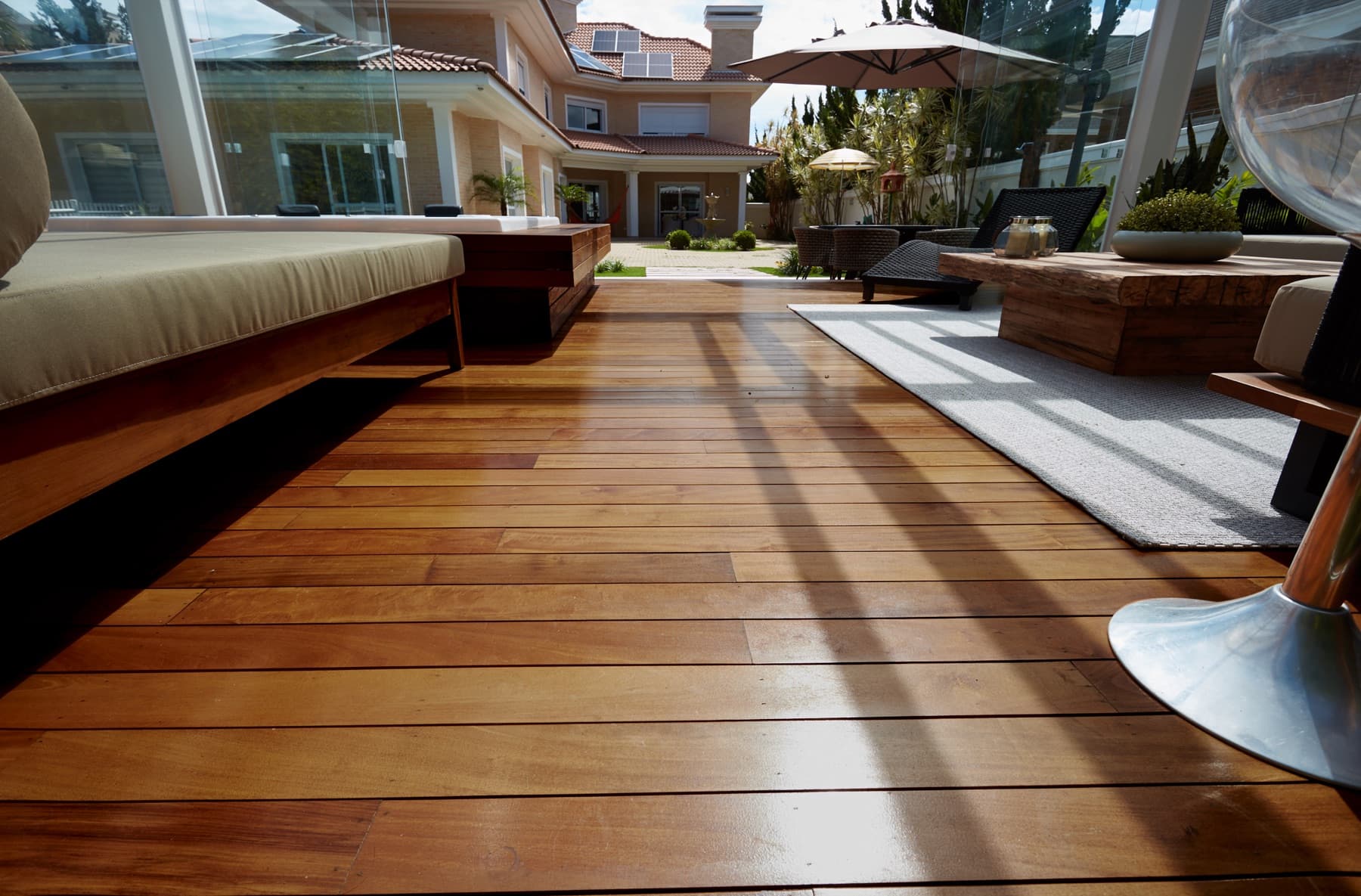
Confirming Final Dimensions and Layout
Before any material is ordered, a final site measurement is crucial. Even minor discrepancies between design drawings and actual site conditions can impact material quantities and cut plans. Work with your contractor to verify all deck dimensions, including length, width, any angled sections, and areas for stairs or integrated features like planters or benches.
Consider the decking board layout. Will boards run parallel to the house, perpendicular, or diagonally? Are there plans for picture-frame borders, and if so, what are their exact dimensions? These details affect not only the aesthetic but also the required board lengths and potential waste. Confirm the planned joist spacing, as this influences the maximum unsupported span for decking boards and may necessitate specific board thicknesses.
For a hypothetical 12-foot by 16-foot rectangular deck, a contractor might confirm the exact perimeter and any cutouts. If the plan includes a 12-inch wide picture frame border, the inner decking area would be 10 feet by 14 feet. This level of detail ensures accurate material takeoffs for both the field boards and the border pieces.
Selecting the Correct Sablewood Profile and Finish
Sablewood is available in various profiles and with a pre-finished surface. The profile refers to the shape of the board, which can affect the installation method (e.g., hidden fasteners vs. face-fastening) and the overall appearance. Discuss with your contractor which profile is best suited for your project's structural requirements and desired aesthetic.
The pre-finished nature of Sablewood means a consistent appearance from the start and simplifies on-site decisions regarding staining or sealing. While pre-finished, it's important to understand the specific finish applied to the Sablewood you are ordering. This impacts future maintenance and how the material will age. Confirm the exact finish specified in your design documents.
Lumber Plus can assist in matching profiles and finishes to your project drawings and installation approach. Ensure that the chosen profile is compatible with the fastening system your contractor plans to use, whether it's a hidden clip system or traditional face screws. This coordination prevents delays or material returns due to incompatibility.
Planning for Fascia, Trim, and Stairs
Beyond the main deck surface, consider all complementary elements. Fascia boards are used to cover the rim joists, providing a clean, finished edge to the deck. Stair treads, risers, and stringers also require specific material. Ensure these components are explicitly listed and dimensioned in your contractor's material takeoff.
Sablewood can be used for these applications to maintain a cohesive look. Confirm if the fascia and stair components should match the main decking profile or if a different profile is preferred for structural or aesthetic reasons. For example, some designs might use a wider board for fascia to create a more substantial look.
A common oversight is not accounting for waste when cutting fascia or stair components. Discuss with your contractor how they plan to optimize cuts and what percentage of overage they recommend for these specific items.
Fastening Systems and Accessories
The choice of fastening system is integral to both the deck's structural integrity and its finished appearance. For Sablewood, discuss with your contractor whether hidden fasteners or face-fastening will be used. Each method has specific requirements for board spacing and installation techniques.
If using hidden fasteners, confirm the specific brand and type of clip, as these can vary in gap size and installation method. Ensure an adequate quantity is ordered, accounting for starter clips, field clips, and any specialized clips for borders or stairs. For face-fastening, specify the type of screws (e.g., stainless steel, coated), length, and color, if visible.
Don't overlook other necessary accessories, such as suitable waterproof barriers for joists, end-grain sealer (if recommended for the specific Sablewood product and installation), and any specialized tools the contractor may need for installation that are not part of their standard kit. Verify that these items are included in the material list.
Material Takeoff Example: A 10x10 Foot Deck
Let's consider a hypothetical 10-foot by 10-foot square Sablewood deck with a simple parallel board layout. Assume Sablewood boards are supplied in 1x6 inch nominal dimensions (actual 0.75x5.5 inches) and available in standard lengths of 10, 12, and 16 feet.
Since the deck length is 10 feet, 22 boards of 10-foot length would be a starting point. This provides 220 linear feet of decking.
However, a contractor might choose 12-foot boards to allow for trimming and potential future repairs. For a 10x10 deck, if 10-foot boards are used, you'd need 22 pieces. If 12-foot boards are chosen, you'd still need 22 pieces, but each would be cut down to 10 feet, resulting in 2 feet of offcut per board. This offcut could potentially be used for smaller sections or waste. Always confirm the exact board lengths with your contractor to optimize cuts and minimize waste. For a picture frame border, additional linear feet of the chosen Sablewood profile would be needed, specifically 40 linear feet for the perimeter, plus miter cuts.
Before you order
- Finalize all deck dimensions (length, width, angles, cutouts).
- Confirm joist spacing and sub-structure readiness.
- Specify the exact Sablewood profile (e.g., standard, grooved).
- Verify the pre-finish details and maintenance guidance.
- Detail all fascia, trim, and stair components (quantity, dimensions).
- Choose the fastening system (hidden clips, face screws) and quantity.
- List all necessary accessories (joist tape, end-grain sealer, specialized tools).
- Review and approve the contractor's final material takeoff list.
- Confirm delivery logistics and on-site storage plan.
- Establish a communication plan for any unforeseen site conditions.
Confirm installation details, approved uses and warranty terms in the current instructions for the exact product and profile. Your installer should verify the substrate, structure and applicable project requirements.
Questions to help you decide
Why is a detailed contractor handoff checklist important for Sablewood decking?
A detailed checklist ensures that all specific product details, dimensions, and installation methods are clearly communicated and agreed upon between you and your contractor before ordering. This minimizes errors, avoids delays, and ensures the correct Sablewood profiles, finishes, and quantities are ordered, leading to a smoother project execution and a satisfactory final result.
Can I use Sablewood for custom milling applications?
Yes, Lumber Plus offers custom milling services for Sablewood hardwood. If your project requires unique profiles or dimensions beyond standard offerings, discuss these needs with your contractor and include them in your material quote request. This allows for tailored solutions to match specific architectural designs or functional requirements.
What maintenance considerations should I confirm with my contractor for pre-finished Sablewood?
Even though Sablewood is pre-finished and low-maintenance, it's important to understand the specific care instructions for your chosen finish. Discuss with your contractor any recommended cleaning products, frequency of cleaning, and whether any specific sealants or treatments are suggested over time. This ensures proper upkeep and helps maintain the deck's appearance.
Ready to Plan Your Sablewood Decking Order?
Provide your project dimensions, exact Sablewood profile, and ZIP code to request a material quote. Confirm current availability and service options with Lumber Plus.
Request a material quote →