Ipe's Natural Resistance to Winter Elements
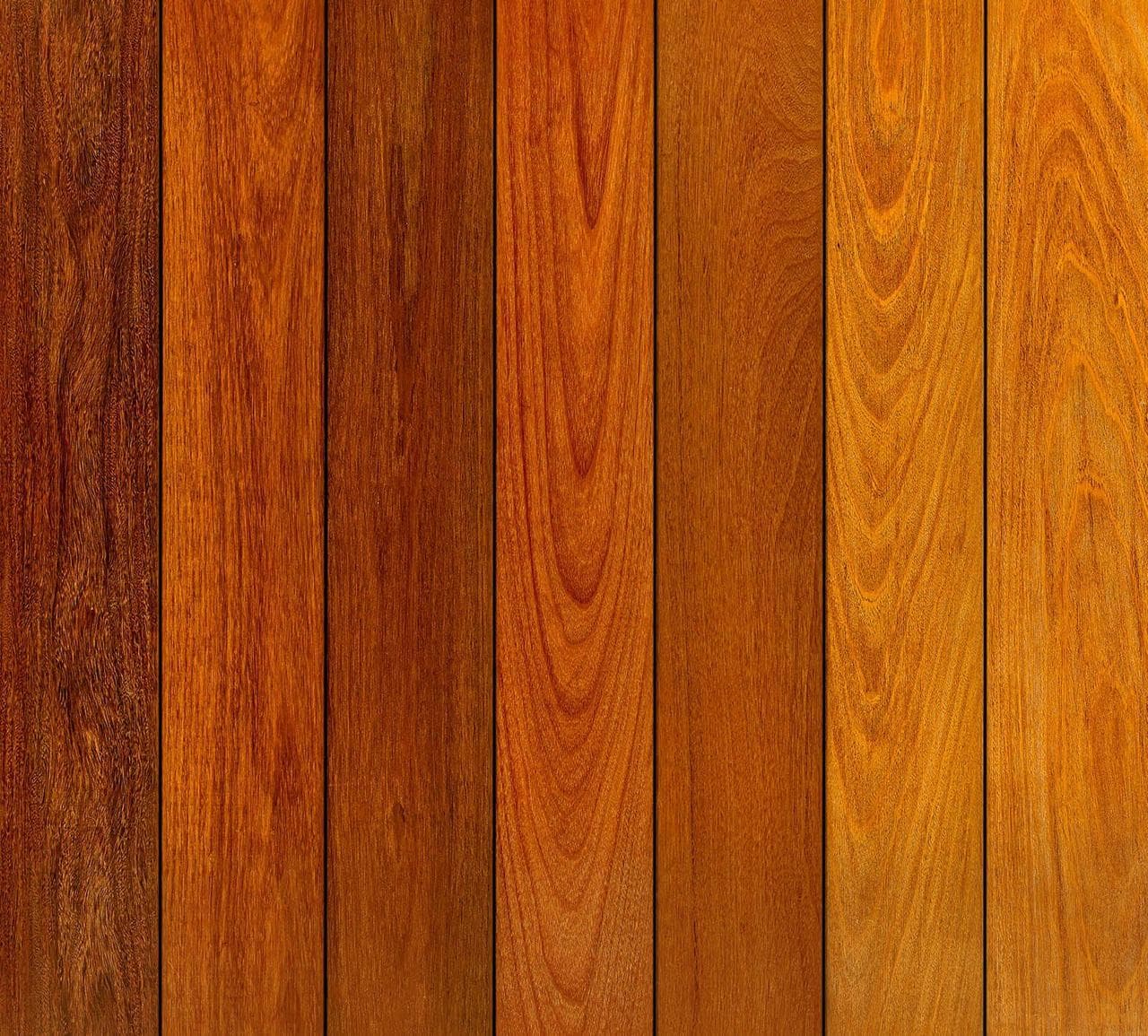
Ipe wood, also known as Brazilian walnut, is a dense hardwood originating from South America. Its natural properties contribute to its resilience in various climates, including those with winter exposure. Ipe is noted for its minimal movement post-installation and resistance to weather changes, which can be particularly beneficial when facing freeze-thaw cycles.
The wood's natural oils contribute to its ability to resist cracking or warping, even after moisture exposure. This inherent resistance helps Ipe maintain its structural integrity when subjected to snow and ice accumulation.
Its density also means it absorbs less moisture compared to some softer woods, which can reduce the potential for swelling and shrinking that might otherwise lead to damage in freezing conditions.
Designing for Drainage and Airflow in Winter
Proper drainage and ventilation are critical for any deck, but they become even more important in winter conditions. Standing water, whether from melted snow or rain, can prolong moisture exposure, potentially leading to issues over time. Ensure your deck design incorporates adequate slopes to shed water away from the structure.
Beyond surface drainage, consider the airflow beneath the deck. Good ventilation helps prevent moisture buildup, which can be trapped by snow or ice, and allows the wood to dry more effectively. This is particularly relevant for decks built close to the ground or those with enclosed skirting. Consult with your installer to confirm that the sub-structure and spacing between boards allow for sufficient air circulation.
The standard spacing between Ipe deck boards is important not only for thermal expansion but also for water runoff. This gap allows melted snow and ice to drain through, rather than pooling on the surface. Confirm the specific spacing requirements for your chosen Ipe profile with your supplier or installer.
Snow and Ice Removal: Best Practices
Removing snow and ice from an Ipe deck requires care to avoid damaging the wood surface. While Ipe is known for its durability, abrasive tools or harsh chemicals can still cause scratches or discoloration.
When shoveling snow, use a plastic shovel or a shovel with a rubber edge to minimize the risk of scratching the Ipe surface. Avoid metal shovels, which can easily mar the wood. Shovel parallel to the grain where possible. For stubborn ice, consider using a broom or brush to clear it away gently.
Chemical de-icers should be used with caution, if at all. Many de-icing products contain salts or other chemicals that can potentially stain or etch wood surfaces. If you must use a de-icer, choose one specifically labeled as safe for wood or decking, and test it on an inconspicuous area first. Always rinse the deck thoroughly with plain water as soon as temperatures allow to remove any residue.
Worked Example: Planning a Winter-Ready Ipe Deck
Consider a hypothetical 10-foot by 15-foot residential deck in a region with significant snowfall. The homeowner wants to use 1x6 (nominal) Ipe decking. The project requires careful planning for winter performance.
To cover the 10-foot (120-inch) width, you would need 120 / 5.625 = 21.33 effective board units. This means you would purchase 22 boards to ensure full coverage and account for cuts. For the 15-foot length, if using standard 15-foot lengths, you would need 22 boards. This is an area-equivalent calculation; actual purchase quantities depend on available lengths and a detailed cut plan.
The deck's sub-structure should be designed with a slight slope (e.g., 1/4 inch per 10 feet) away from the house to facilitate water runoff. Additionally, the deck perimeter will include open lattice skirting to ensure continuous airflow beneath the deck, preventing moisture entrapment.
For snow removal, the homeowner plans to use a wide, rubber-edged snow shovel. They have identified a magnesium chloride-based de-icer for occasional use on icy patches, which they will test first and rinse thoroughly after application. This proactive approach helps protect the Ipe's surface while addressing winter safety.
Maintenance and Finishing in Cold Climates
Ipe wood can be left untreated to weather to a silvery-gray patina, or it can be regularly oiled to maintain its original reddish-brown to olive-brown color. In winter climates, the choice of finish can influence maintenance.
If you opt for an oiled finish, ensure the deck is clean and dry before application. This typically means applying oil in warmer, drier seasons. The finish can provide an additional layer of protection against moisture penetration, but it will need periodic reapplication. Always follow the manufacturer's instructions for any finishing product.
For untreated Ipe, regular cleaning is still important. In spring, after the last snowmelt, a thorough cleaning can remove any accumulated dirt, debris, or biological growth that may have occurred under snow cover. This helps prevent staining and maintains the deck's appearance. Avoid power washing at high pressure, which can damage the wood fibers; a soft brush and deck cleaner are usually sufficient.
Before you order
- Verify local building codes for deck load capacity, especially for snow.
- Confirm sub-structure design includes adequate slope for drainage.
- Plan for sufficient ventilation beneath the deck to prevent moisture buildup.
- Select appropriate tools for snow and ice removal (e.g., plastic or rubber-edged shovels).
- Research wood-safe de-icing alternatives if chemical use is necessary.
- Consider the aesthetic impact of Ipe weathering to gray versus maintaining an oiled finish.
- Schedule annual spring cleaning to remove winter accumulation and prepare for warmer months.
- Consult with a professional installer regarding specific Ipe board spacing for your climate.
- Review available Ipe profiles (e.g., 1x6, 5/4x6) and their suitability for your project's winter conditions.
Confirm installation details, approved uses and warranty terms in the current instructions for the exact product and profile. Your installer should verify the substrate, structure and applicable project requirements.
Questions to help you decide
Does Ipe decking become slippery when wet or icy?
Like any outdoor surface, Ipe decking can become slippery when wet, covered in snow, or icy. Its dense surface does not inherently make it more or less slippery than other decking materials. Regular cleaning to remove algae or mildew, which can contribute to slipperiness, is recommended. For icy conditions, careful snow removal and the cautious use of wood-safe de-icers can help improve traction.
Can Ipe decking withstand heavy snow loads?
Ipe is a very dense and strong hardwood. Its inherent strength contributes to its ability to handle typical snow loads when installed correctly on a properly engineered sub-structure. The key is that the underlying deck frame must be built to local building codes and engineered to support the expected snow accumulation for your specific region. The Ipe decking itself, given its density, provides a durable surface layer.
How do I protect Ipe decking from potential damage from de-icing salts?
To protect Ipe decking from de-icing salts, it is best to avoid using salt-based products. Opt for de-icers specifically formulated as safe for wood, often containing magnesium chloride or calcium chloride, and always test them in an inconspicuous area first. After any de-icer application, or once temperatures allow, thoroughly rinse the deck with clean water to remove any residue. Regular sweeping and shoveling with a plastic shovel are the safest methods for snow and ice removal.
Plan Your Winter-Ready Ipe Decking Project
Ready to build a durable Ipe deck that stands up to winter conditions? Request a material quote today. Provide your project dimensions, desired Ipe profile, and ZIP code to confirm current availability and service options for your area. Explore our selection of Ipe decking and complementary products to begin your project.
Request a material quote →