The Natural Beauty of Ipe: Understanding Its Core Colors
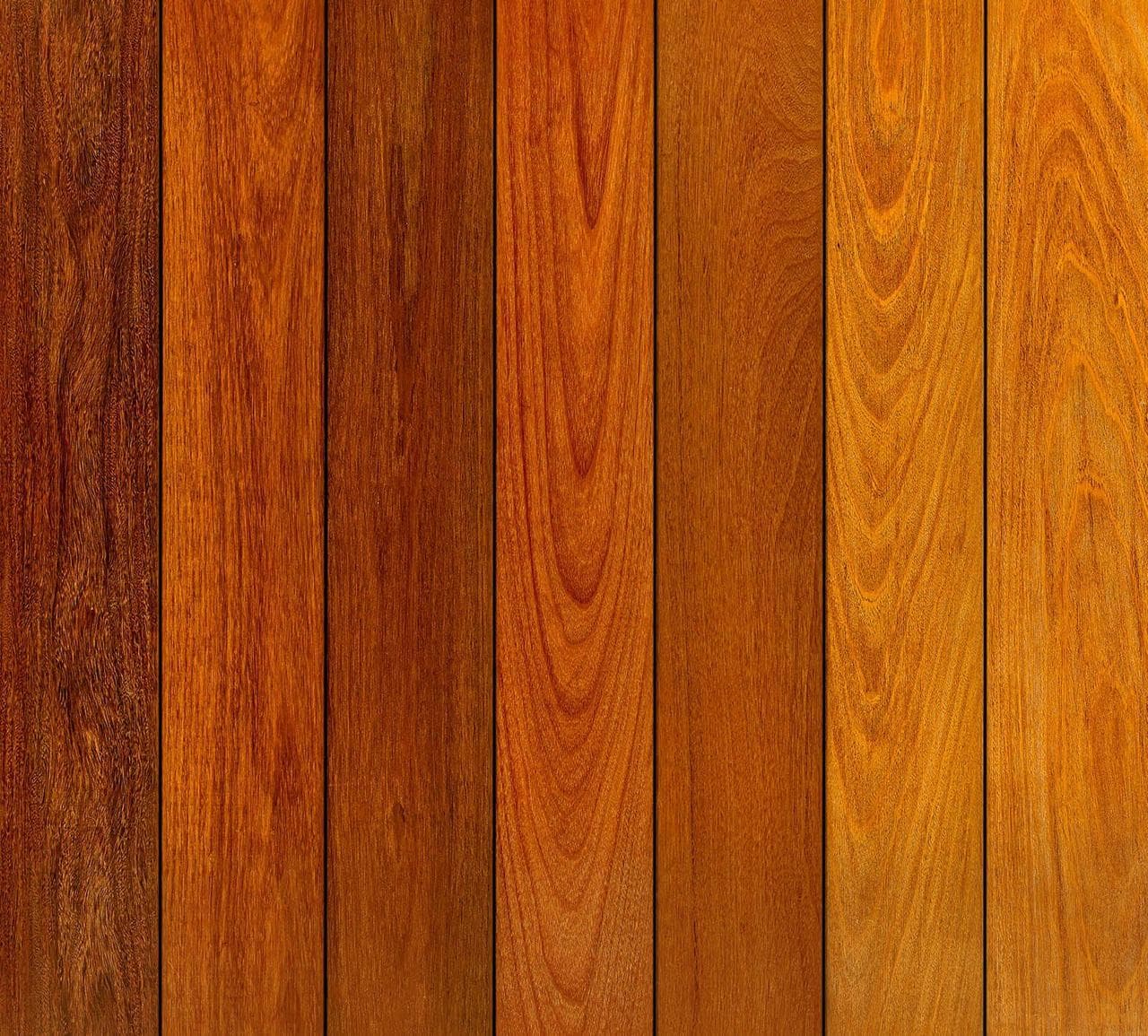
Ipe wood, also known as Brazilian walnut, is prized for its natural color variation. Before any finishes are applied, Ipe lumber typically ranges from a rich reddish-brown to a deeper olive-brown. These tones contribute to its luxurious appearance and are a key reason for its popularity in high-end outdoor projects.
The exact shade can vary from board to board, reflecting the natural diversity within the Handroanthus spp. botanical family. This inherent variation is part of Ipe's appeal, providing a dynamic and authentic wood look. When planning your project, it's helpful to view multiple samples or larger sections of Ipe to appreciate this natural spectrum and set realistic expectations for your deck's overall appearance.
Unlike some other wood species, Ipe's natural oils contribute to its resistance to weathering, helping protect it from cracking or warping. This inherent quality means that even if left untreated, the wood maintains structural integrity while its surface color changes.
Embracing the Weathered Patina: A Silvery-Gray Transformation
For those who prefer a low-maintenance approach and appreciate the aesthetic of natural aging, Ipe wood offers the option of weathering to a beautiful silvery-gray patina. This transformation occurs gradually over time as the wood is exposed to sunlight and the elements. The rich reddish-browns soften and fade, eventually settling into a sophisticated, muted gray.
This weathered look is often sought after for its timeless appeal and ability to blend seamlessly with various architectural styles, from modern to rustic. It eliminates the need for regular oiling to maintain color, reducing long-term maintenance tasks. However, it's important to understand that this change is irreversible without sanding and refinishing, so it should be a deliberate design choice.
If you choose to let your Ipe deck weather, ensure consistent exposure to sunlight and rain across the entire surface to encourage an even patina. Areas that are consistently shaded or protected may weather at a different rate, leading to slight color inconsistencies.
Preserving the Original Color: The Role of Finishes
If you desire to retain the original reddish-brown to olive-brown tones of new Ipe, applying a UV-blocking sealer or deck oil is essential. These finishes work by penetrating the wood fibers, enhancing its natural color, and protecting it from the sun's ultraviolet rays, which are primarily responsible for the weathering process.
The choice of finish can subtly alter the perceived color of Ipe. Some oils may deepen the existing tones, while others might impart a slight amber or reddish tint. It is crucial to test any chosen finish on a scrap piece of Ipe or an inconspicuous area of your deck to ensure the desired outcome before full application.
Maintaining the original color with a finish requires periodic reapplication, typically annually or bi-annually, depending on the product, local climate, and sun exposure. This ongoing maintenance is a consideration for homeowners who prefer the vibrant, "new wood" look.
The Impact of Lighting on Ipe's Appearance
The perceived color of your Ipe deck will change significantly throughout the day and under different lighting conditions. Natural daylight, especially direct sunlight, will highlight the wood's vibrant tones, making reddish-browns appear richer and more pronounced. In contrast, overcast skies or shaded areas may reveal more of the olive-brown undertones, giving the deck a deeper, more subdued look.
Artificial lighting also plays a critical role. Warm-toned outdoor lighting (e.g., 2700K-3000K color temperature) can enhance the natural warmth of Ipe, making it feel inviting. Cooler-toned lighting (e.g., 4000K-5000K) might emphasize the grayer aspects, particularly on a weathered deck. Consider the type and placement of any planned deck lighting during your design phase to ensure it complements your chosen Ipe color and finish.
For example, if you plan to feature a specific seating area with accent lighting, observe how the Ipe's color responds at different times of day and evening. This foresight helps prevent surprises after installation.
Worked Example: Selecting Ipe for a Sunny Backyard Deck
Consider a hypothetical 12-foot by 16-foot backyard deck project, frequently exposed to direct afternoon sun. The homeowner values both durability and a visually consistent, warm aesthetic.
**Decision:** The homeowner prefers to maintain the rich, reddish-brown appearance of new Ipe, rather than allowing it to weather to gray. They also want to ensure the deck's appearance remains inviting during evening gatherings.
**Action Plan:**
1. **Sample Review:** Obtain several full-length Ipe board samples (1"x6" profile is common for decking). Observe them at different times of day in the actual project location to see how natural light affects their color. Pay attention to the natural variation between boards.
2. **Finish Testing:** Acquire small quantities of 2-3 different UV-blocking Ipe-compatible deck oils. Apply each to a separate sample board and let them cure. Compare the resulting colors in both direct sunlight and shade.
3. **Lighting Integration:** The homeowner plans to install warm-toned LED deck lights (3000K). They will place a sample board with the preferred finish under a mock-up of this lighting during the evening to confirm the desired ambiance.
**Outcome:** After comparing samples, the homeowner selects an oil that enhances the Ipe's natural reddish-browns without making it too dark. They commit to an annual reapplication schedule to preserve this color, understanding the maintenance involved. The chosen lighting effectively highlights the wood's warmth, creating a cohesive and inviting outdoor space.
This methodical approach helps ensure the final deck appearance aligns with the homeowner's vision, accounting for both material properties and environmental factors.
Before you order
- Do you prefer the natural reddish-brown tones of new Ipe or the weathered silvery-gray patina?
- Are you willing to commit to regular maintenance (e.g., annual oiling) to preserve the original color?
- Have you viewed Ipe samples in various lighting conditions (direct sun, shade, overcast) at your project site?
- If preserving the color, have you tested specific UV-blocking finishes on Ipe samples?
- How will planned outdoor lighting (e.g., warm vs. cool tones) interact with your chosen Ipe color/finish?
- Will any shaded areas of the deck weather differently than sun-exposed areas if left untreated?
- Are there existing exterior colors (house siding, trim, landscaping) that your Ipe deck needs to complement?
- Have you considered how Ipe's natural color variations will contribute to the overall aesthetic?
Confirm installation details, approved uses and warranty terms in the current instructions for the exact product and profile. Your installer should verify the substrate, structure and applicable project requirements.
Questions to help you decide
How long does it take for Ipe to weather to gray?
If left untreated, Ipe typically begins to show signs of weathering to a silvery-gray patina within a few months, with the full transformation often taking about 12-18 months, depending on sun exposure and local climate.
Does applying an oil change the texture of Ipe decking?
Applying a penetrating oil or sealer to Ipe primarily affects its color and provides some surface protection. It generally does not significantly alter the wood's natural smooth texture. Some film-forming finishes might create a slight surface feel, but most Ipe-specific oils are designed to absorb into the wood.
Can I change my mind and restore the original color after Ipe has weathered?
Yes, it is generally possible to restore the original reddish-brown color of weathered Ipe. This process typically involves cleaning the deck, then sanding the surface to remove the weathered gray layer, and finally applying a UV-blocking deck oil. This can be a labor-intensive process, so it's best to decide on your preferred aesthetic upfront.
Plan Your Ipe Decking Project
Ready to select Ipe decking for your outdoor space? Request a material quote with your project dimensions and desired profile. Confirm current availability and service options for your location.
Request a material quote →