Understanding Ipe's Natural Characteristics
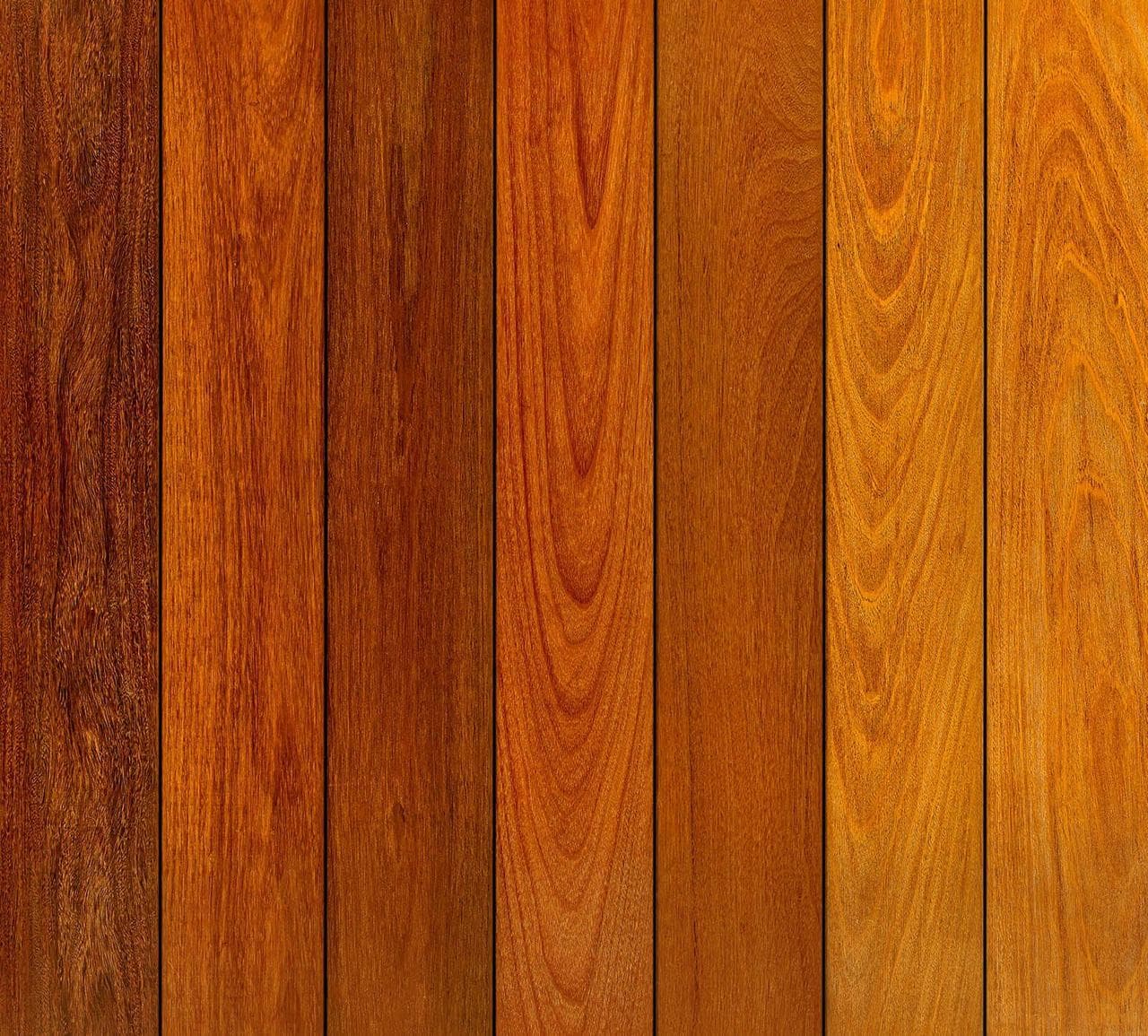
Ipe, also known as Brazilian walnut, is a dense hardwood originating from South America. Its natural properties contribute to its reputation for longevity and resilience in outdoor applications. Ipe lumber typically ranges from reddish-brown to olive-brown.
A key characteristic of Ipe is its natural resistance to weather changes, mold, and termites. These inherent qualities mean that Ipe requires less chemical treatment compared to some other wood species. However, even with these natural advantages, a maintenance plan is still beneficial for preserving its appearance and extending its life. Ipe also exhibits minimal movement post-installation, which contributes to its stability as a decking material.
The Choice: Original Color or Silver Patina?
One of the most significant maintenance decisions for Ipe decking is whether to preserve its original reddish-brown to olive-brown tones or to allow it to naturally weather to a silvery-gray patina. Both are valid aesthetic choices, but they involve different levels of commitment.
If you desire to maintain Ipe's initial rich color, regular application of a UV-blocking sealer or oil is necessary. This finish helps protect the wood from the sun's rays, which cause the natural pigments to fade over time. Without this treatment, Ipe will gradually transition to a silver-gray hue. This weathered look is often appreciated for its low-maintenance appeal and can blend well with certain architectural styles and landscapes. The decision should be made early in the planning process as it dictates the type of products you'll need and the frequency of application.
Routine Cleaning for Ipe Decking
Regardless of whether you choose to maintain the original color or allow a natural patina, routine cleaning is a fundamental aspect of Ipe decking maintenance. Regular cleaning helps remove dirt, debris, pollen, and mildew, which can accumulate on any outdoor surface.
A simple cleaning regimen typically involves sweeping or blowing off loose debris. For a more thorough clean, a mild soap and water solution, applied with a soft brush, can effectively remove grime. It is important to rinse the deck thoroughly with water after cleaning to remove any soap residue. Avoid harsh chemicals or high-pressure washers, which can damage the wood fibers or strip finishes. This routine cleaning helps prevent the buildup of substances that could potentially stain the wood or promote mildew growth.
Applying a UV-Blocking Sealer or Oil
For those who opt to retain Ipe's original color, applying a UV-blocking sealer or oil is the primary maintenance task. These products penetrate the wood, enhancing its natural tones and providing protection against UV degradation.
The frequency of application depends on several factors, including the specific product used, the deck's exposure to sun and weather, and personal preference for color vibrancy. Typically, a reapplication every 6 to 12 months might be suggested, but it is crucial to consult the product manufacturer's recommendations. Before reapplication, the deck should be thoroughly cleaned and dry. This process involves cleaning the deck, allowing it to dry completely, and then applying the finish according to the product instructions, often using a roller or brush.
Worked Example: Planning Maintenance for a 12x16 Foot Ipe Deck
Consider a hypothetical Ipe deck measuring 12 feet by 16 feet, exposed to full sun. The homeowner prefers to maintain the rich, reddish-brown color of the Ipe. This decision immediately informs the maintenance plan.
**Initial Application:** After installation, the deck will receive its first coat of a UV-blocking oil. This establishes the desired color and initial protection.
**Material Calculation:** The deck area is 12 ft x 16 ft = 192 square feet.
**Annual Maintenance:** For an annual maintenance cycle, assuming two applications per year (spring and late summer/early fall), the homeowner would plan for roughly two gallons of oil annually. Each application would involve cleaning the deck, allowing it to dry for at least 24 hours, and then applying the oil. This schedule ensures continuous UV protection and color retention, preventing the wood from graying significantly. Without this consistent application, the deck would begin to show signs of weathering within a few months, gradually turning silver-gray.
Before you order
- Determine desired aesthetic: Original color (oiled) or natural silver-gray patina (untreated)?
- If retaining original color, research specific UV-blocking oils/sealers and their reapplication frequency.
- If allowing to weather, understand that routine cleaning is still necessary for appearance and longevity.
- Plan for seasonal cleaning: sweeping, mild soap and water wash, and rinsing.
- Consider environmental factors: sun exposure, rainfall, and proximity to trees (pollen/leaves) will influence maintenance frequency.
- Allocate time or budget for professional maintenance if DIY is not preferred.
- Gather necessary tools: soft-bristle brush, cleaning solution, oil/sealer applicator (roller/brush), safety gear.
- Identify a suitable drying period after cleaning and before applying any finish.
- Review manufacturer guidelines for chosen Ipe products and any finishing materials.
- Confirm the compatibility of cleaning products with any applied finishes.
Confirm installation details, approved uses and warranty terms in the current instructions for the exact product and profile. Your installer should verify the substrate, structure and applicable project requirements.
Questions to help you decide
How often does Ipe decking need to be oiled?
If you wish to maintain Ipe's original rich color, a UV-blocking sealer or oil typically needs to be reapplied every 6 to 12 months, depending on the product, sun exposure, and local climate. Always consult the specific product manufacturer's recommendations for exact reapplication schedules.
Can Ipe decking be left untreated?
Yes, Ipe can be left untreated. If left untreated, Ipe will naturally weather to a beautiful silvery-gray patina over time. While this eliminates the need for oiling, routine cleaning is still recommended to remove dirt, debris, and prevent mildew buildup.
What is the best way to clean an Ipe deck?
The best way to clean an Ipe deck is with a mild soap and water solution, applied with a soft-bristle brush. After scrubbing, rinse the deck thoroughly with clean water to remove all soap residue. Avoid using harsh chemicals or high-pressure washers, as these can damage the wood surface or strip existing finishes.
Request a Quote for Your Ipe Decking Project
Ready to plan your Ipe decking project? Contact us for a material quote, providing your project dimensions, desired profile, and ZIP code. We can also confirm current availability and service options for your area. For further planning, explore our range of decking products, including additional hardwood options, composite decking, and PVC decking.
Request a material quote →