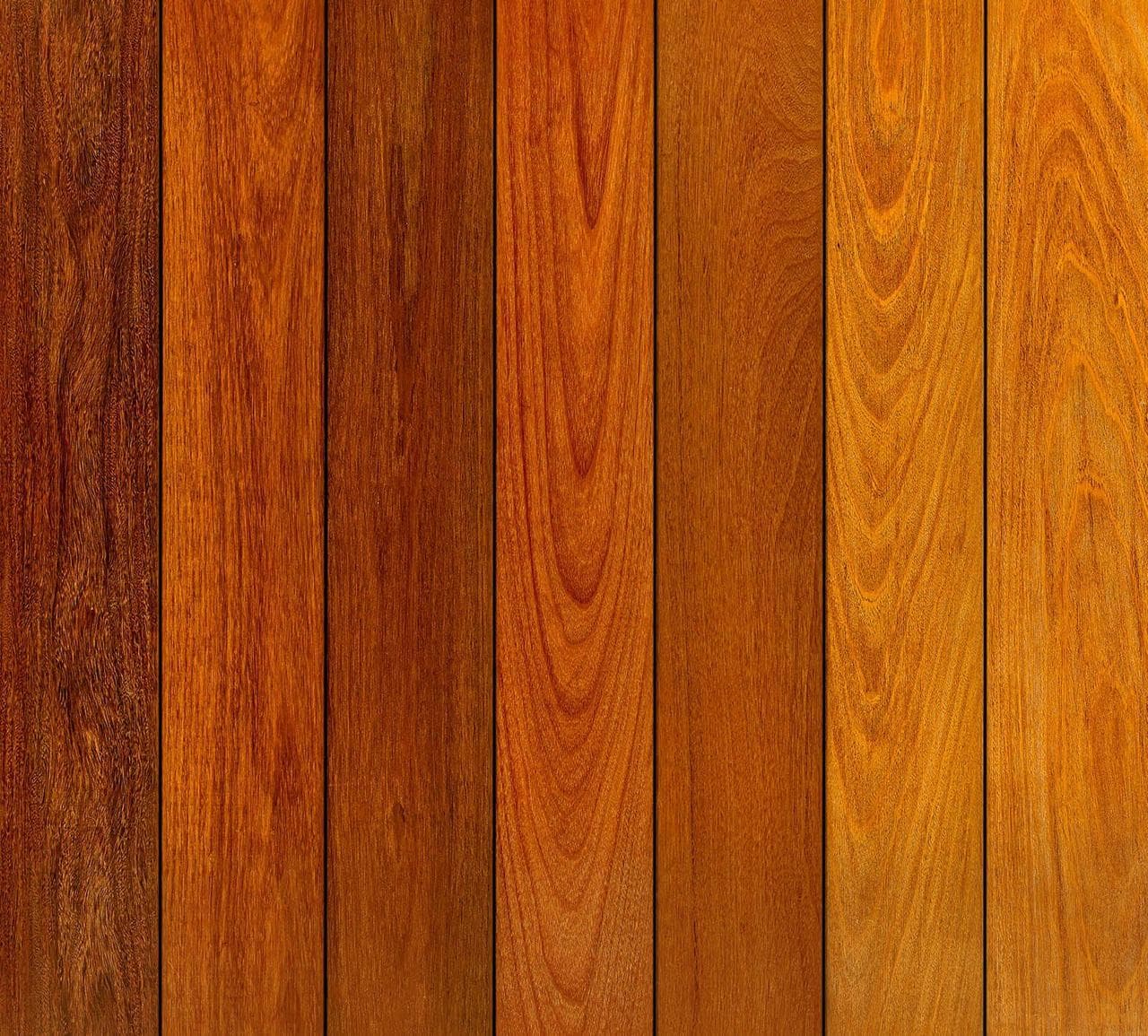
Understanding Ipe Decking as a Material
Ipe wood stands out for its inherent characteristics that contribute to its value and, consequently, its cost. It is a hardwood with exceptional density and natural resistance to rot, insects, and mold. This natural resilience means it generally requires minimal chemical treatments to maintain its integrity. With proper care, Ipe decking can last for decades.
Its durability also means that while the initial material cost might be higher than some alternatives, the long-term maintenance and replacement costs can be lower. Ipe is resistant to warping after moisture exposure, and its natural oils protect it from cracking.
Ipe is available in various profiles and sizes, including 1x2 through 6x6 dimensions, and lengths typically ranging from 3 to 24 feet. These options allow for design flexibility but also influence material quantity and pricing. Many suppliers, including Lumber Plus, are dedicated to environmentally responsible practices that ensure the longevity of the forests from which this wood is harvested.
Material Takeoff: Decking Boards
The first step in budgeting is an accurate material takeoff for the Ipe decking boards themselves. This involves calculating the total square footage of your deck surface and then determining how many boards you will need based on their dimensions. Always account for waste due to cuts, miscalculations, or imperfections; a common practice is to add 10-15% to your net square footage.
Consider the board dimensions you plan to use. For example, 1"x6" boards are a common choice. If your deck area is 200 square feet, and you use 1"x6" boards (which are typically 5.5 inches wide in actual dimension), you would calculate the linear footage needed. Multiply the total square footage by 12 (to convert to square feet of 1-inch thick material) and then divide by the actual width in inches. Always round up to the nearest full board length available.
For a simple 10 ft x 20 ft deck (200 sq ft) using 1"x6" Ipe boards (actual 5.5" width), with a 10% waste factor:
1. **Deck Area:** 10 ft * 20 ft = 200 sq ft
2. **Linear Footage per sq ft:** (12 inches/foot) / 5.5 inches = 2.18 linear feet of board per square foot of deck.
3. **Total Linear Footage (before waste):** 200 sq ft * 2.18 lf/sq ft = 436 linear feet
4. **Add Waste Factor (10%):** 436 lf * 1.10 = 479.6 linear feet. Round up to 480 linear feet for purchasing.
5. **Board Lengths:** If you plan to use mostly 12-foot boards, you would need 480 lf / 12 lf/board = 40 boards. If your layout requires specific lengths or a mix, adjust accordingly.
This calculation provides an estimate. For precise ordering, consider your deck's layout and how board lengths can be optimized to minimize waste. Longer boards can sometimes be more cost-effective per linear foot but may incur higher shipping costs or require specialized handling.
Fasteners and Hardware
Beyond the decking boards, fasteners are a crucial component of your budget. Ipe's density means it requires specific fastening methods. Hidden fasteners are popular for a clean aesthetic, but face-fastening with screws and plugs is also common. Both methods require pre-drilling due to Ipe's hardness.
For hidden fasteners, you'll need clips designed for hardwood decking, which typically fit into grooved Ipe boards. The number of clips depends on your joist spacing and board width. For face-fastening, stainless steel screws are recommended to prevent staining and ensure durability. You will also need Ipe plugs to conceal the screw heads, if desired.
Do not overlook other hardware such as joist hangers, post bases, and any specialized connectors for railings or stairs. These items can add up, especially for complex deck designs. Ensure all hardware is rated for outdoor use and compatible with pressure-treated lumber if that is your sub-structure.
Sub-Structure Materials: Framing and Supports
The Ipe decking boards sit on a sub-structure, typically made of pressure-treated lumber, steel, or other durable materials. The cost of this framing can be substantial and must be included in your budget. This includes posts, beams, joists, and ledger boards if attaching to a house.
The size and complexity of your deck, as well as local building codes, will dictate the dimensions and spacing of your framing members. For example, joist spacing is critical for Ipe decking to ensure proper support and prevent movement.
When estimating, calculate the linear footage of each framing component and account for waste. Consider the cost of concrete for footings if required.
Finishes, Sealers, and Maintenance Supplies
While Ipe is naturally resistant to many elements, finishes and sealers can enhance its appearance and offer additional protection. If left untreated, Ipe will weather to a silvery-gray patina. To maintain its original reddish-brown to olive-brown color, a UV-blocking sealer or deck oil is recommended.
Budget for the initial application of these products, including any necessary cleaners or brighteners. Also, consider the ongoing cost of maintenance. Ipe wood is low maintenance, but occasional sealing and cleaning will help preserve its natural beauty and extend its life. Depending on your climate and desired look, reapplication might be needed every 1-2 years.
Include costs for application tools like brushes, rollers, and safety gear. These are often small individually but can accumulate.
Labor and Contingency
Unless you are undertaking a DIY project, labor costs will be a significant portion of your budget. Obtain multiple quotes from qualified contractors, ensuring they have experience working with Ipe or other dense hardwoods. Ipe installation requires specialized tools and techniques due to its density, so professional installation is recommended.
Labor costs can vary widely based on location, project complexity, and contractor experience. Be clear about what is included in their quote: demolition of an old deck, site preparation, framing, decking installation, railing installation, and cleanup.
Finally, always include a contingency fund in your budget, typically 10-20% of the total estimated cost. This buffer accounts for unforeseen issues, material price fluctuations, or design changes that may arise during the project. It provides peace of mind and helps prevent budget overruns.
Before you order
- Have I accurately measured my deck area and calculated linear footage for Ipe boards, including waste?
- Have I chosen between hidden and face-fastening systems and budgeted for the correct quantity of fasteners and plugs?
- Is my sub-structure plan detailed, including posts, beams, joists, and footings, with material quantities estimated?
- Have I accounted for any railings, stairs, or other decorative elements?
- Have I decided on a finish (or natural weathering) and budgeted for initial application and ongoing maintenance products?
- Do I have at least two contractor quotes, and do they clearly outline labor and material costs?
- Have I included a contingency fund (10-20%) for unexpected expenses?
- Have I considered potential delivery costs for materials?
Confirm installation details, approved uses and warranty terms in the current instructions for the exact product and profile. Your installer should verify the substrate, structure and applicable project requirements.
Questions to help you decide
What is the typical lifespan of Ipe decking?
With proper care, Ipe decking can last up to 75 years, which is significantly longer than most other wood species used for outdoor purposes. Its natural density and resistance to rot, insects, and mold contribute to its longevity.
Does Ipe wood require special tools for installation?
Yes, Ipe's extreme density often requires specialized tools. Pre-drilling is necessary for all fasteners to prevent splitting, and carbide-tipped saw blades are recommended for cutting. Professional installation is often advised due to these requirements.
Will Ipe decking change color over time?
If left untreated, Ipe decking will naturally weather to a beautiful silvery-gray patina. If you prefer to maintain its original reddish-brown to olive-brown color, you will need to apply a UV-blocking sealer or deck oil periodically.
Ready to Plan Your Ipe Decking Project?
Request a material quote today with your project dimensions, desired Ipe profile, and ZIP code. We can confirm current availability and service options to help you finalize your budget.
Request a material quote →