The Natural Weathering Process of Ipe
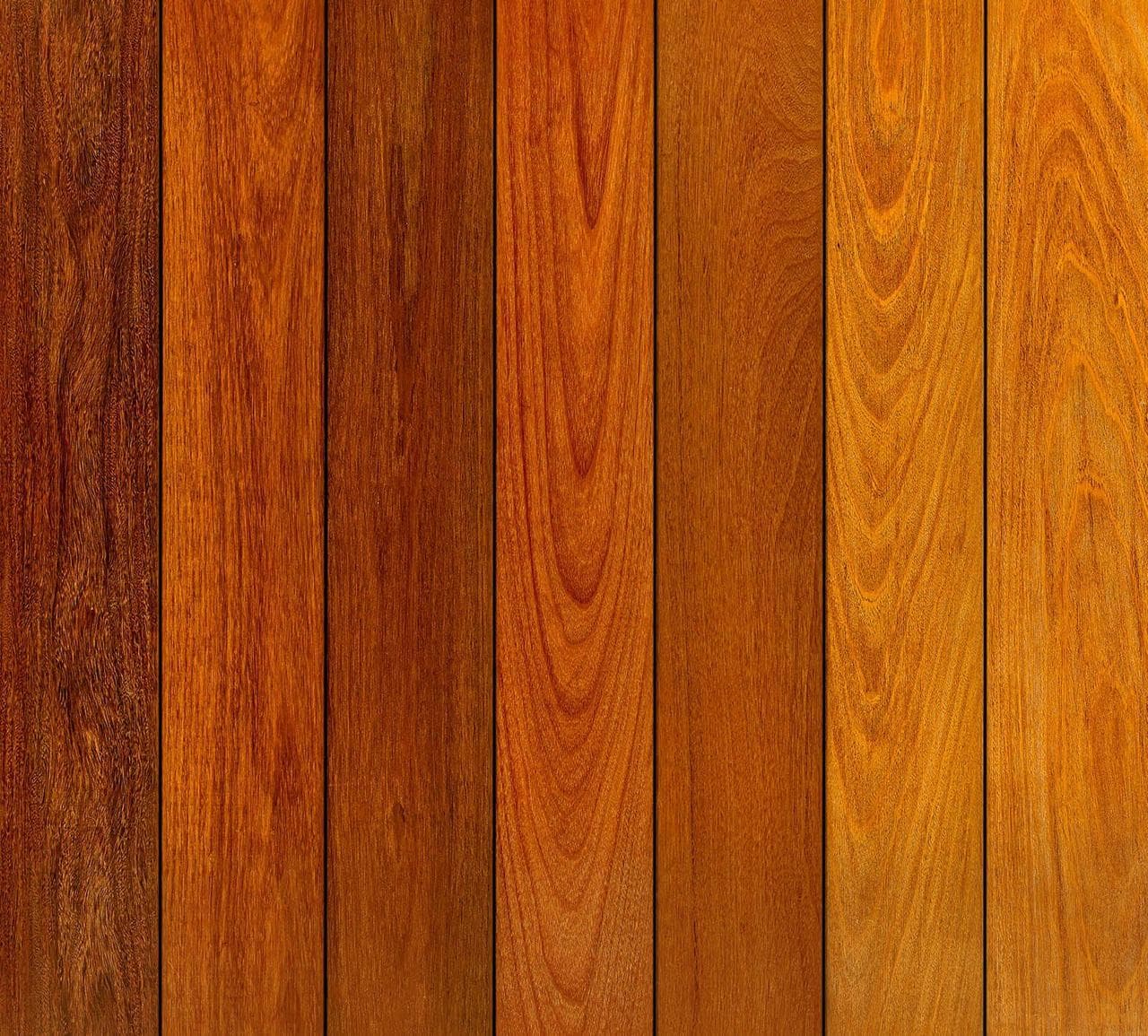
Ipe wood contains natural oils that protect it from cracking or warping, even when exposed to moisture and sun. When left untreated, these natural oils, along with the wood's pigments, gradually break down due to ultraviolet (UV) light exposure and environmental factors. This process causes the wood to transition from its initial rich, varied brown hues to a uniform silvery-gray patina over time.
This weathering is a natural process and does not compromise the structural integrity or durability of the Ipe. It is a surface-level change, similar to how many other hardwoods age outdoors. The timeline for this transformation can vary depending on local climate conditions, sun exposure, and the specific board's orientation.
Many homeowners and designers intentionally choose to let Ipe weather, valuing the soft, elegant gray tone it develops. This weathered look can complement various architectural styles, from modern minimalist to rustic, providing a sophisticated, low-maintenance aesthetic.
Factors Influencing Weathering Speed
Several factors can influence how quickly Ipe decking weathers:
Sun Exposure: Areas of the deck that receive direct, prolonged sunlight will typically weather faster than shaded areas. A deck fully exposed to the sun will likely achieve a more uniform gray faster than one partially covered by an overhang or trees.
Moisture Exposure: Regular wetting and drying cycles, such as those experienced in uncovered outdoor spaces, contribute to the weathering process.
Ventilation: Good air circulation around and under the deck can help ensure even drying and consistent weathering. Poor ventilation can lead to uneven moisture retention, potentially affecting the uniformity of the patina.
Initial Finish (or Lack Thereof): If no UV-blocking sealer is applied, the weathering process begins immediately upon exposure to the elements. Any initial finish will delay the natural graying until it wears off.
Maintaining the Original Color vs. Embracing the Patina
The choice between maintaining Ipe's original color and allowing it to weather is primarily an aesthetic one, with implications for maintenance. To preserve the initial reddish-brown to olive-brown tones, Ipe decking requires regular application of a UV-blocking sealer or deck oil. This treatment helps to replenish the wood's natural oils and protect its pigments from UV degradation.
If you choose to embrace the weathered look, the maintenance requirements are significantly reduced. The primary tasks involve routine cleaning to remove dirt, debris, and any potential mildew buildup. This low-maintenance approach is one of the key advantages for those who appreciate the natural gray patina.
It's important to note that even if an Ipe deck is allowed to weather, its inherent durability and resistance to rot and insects remain. The weathering is a cosmetic change, not a sign of deterioration. If, after weathering, you decide you prefer the original color, it is often possible to restore the wood through cleaning and brightening, followed by an oil application, though this requires more effort than continuous maintenance from the start.
A Hypothetical Project Example: The Urban Rooftop Deck
Consider a hypothetical urban rooftop deck project for a 15-foot by 20-foot area. The client desires a low-maintenance outdoor space with a sophisticated, natural aesthetic that complements the surrounding cityscape. They are considering 1x6 Ipe decking.
Initial color preference: The client initially likes the rich, varied browns of new Ipe. However, they are concerned about the ongoing maintenance required to preserve this color on a highly exposed rooftop, which receives full sun throughout the day.
Decision point: After discussing the natural weathering process, the client decides to let the Ipe weather to a silvery-gray patina. This choice aligns with their desire for minimal maintenance and the elegant, understated look of aged wood. The even sun exposure on the rooftop is expected to promote a relatively uniform weathering across the entire deck surface.
Maintenance plan: The plan will focus on periodic cleaning to remove city dust and debris, rather than regular oiling. This reduces long-term labor and material costs associated with finishes. They also appreciate that the weathered look will blend seamlessly with the building's contemporary design.
Material calculation: For a 15-foot by 20-foot deck, the total area is 300 square feet. This translates to roughly 300 square feet divided by (5.5 inches / 12 inches per foot) which is approximately 655 linear feet. It's always advisable to add 10-15% for cuts, waste, and future repairs. This project would require approximately 720-750 linear feet of Ipe decking.
Considerations for Coastal and Winter Climates
Ipe's natural resistance to weather changes makes it a suitable choice for diverse climates. In coastal regions, the combination of intense UV exposure and salt air can accelerate the weathering process. The resulting silvery-gray patina can be particularly appealing, evoking a classic seaside aesthetic.
For projects exposed to winter conditions, Ipe's density and minimal movement post-installation contribute to its stability. While snow and ice will cover the deck, the freeze-thaw cycles will continue to contribute to the natural weathering when the wood is exposed. The decision to let it weather naturally simplifies winter maintenance, as there's no finish to reapply after the season. Regular cleaning after snowmelt helps remove any accumulated debris.
In both scenarios, ensuring adequate ventilation and drainage remains crucial to prevent prolonged moisture retention, which can lead to issues like mildew, even on naturally resistant Ipe.
Before you order
- Do you prefer the rich, reddish-brown tones of new Ipe or a silvery-gray patina?
- How much sun exposure will your deck receive? (Full sun accelerates weathering)
- Are you committed to regular maintenance (oiling) to preserve the original color?
- Is a low-maintenance aesthetic a priority for your outdoor space?
- Does the weathered gray complement your home's architectural style and existing outdoor elements?
- Have you considered the impact of your local climate (e.g., coastal, high UV) on weathering speed?
- What are your long-term maintenance expectations and budget for the deck?
Confirm installation details, approved uses and warranty terms in the current instructions for the exact product and profile. Your installer should verify the substrate, structure and applicable project requirements.
Questions to help you decide
Can I reverse the weathering process if I change my mind?
Yes, it is generally possible to restore weathered Ipe to a color closer to its original state. This typically involves a thorough cleaning, sometimes with a deck brightener, followed by the application of a UV-blocking deck oil. However, this process requires more effort than consistently maintaining the finish from the beginning.
Does letting Ipe weather reduce its lifespan or durability?
No, letting Ipe weather to a silvery-gray patina does not diminish its exceptional lifespan or durability. The weathering is a surface-level cosmetic change caused by UV exposure, while the wood's inherent density and natural resistance to rot and insects remain intact. Ipe is known for lasting up to 75 years with proper care, whether oiled or weathered.
Will a weathered Ipe deck be slippery when wet?
Like any outdoor decking material, Ipe can become slippery when wet, especially if algae or mildew has accumulated on the surface. Regular cleaning of a weathered Ipe deck is important to remove any biological growth that could contribute to slipperiness. The natural weathering process itself does not inherently make the wood more slippery than its original state.
Ready to Plan Your Ipe Decking Project?
Whether you choose to maintain its rich color or embrace the elegant weathered patina, Ipe decking offers lasting beauty and performance. Request a material quote today with your project dimensions, desired profile, and ZIP code to confirm current availability and service options. Explore our Ipe Decking options, or consider related materials like composite decking or PVC decking.
Request a material quote →