Understanding Ipe Decking for Urban Spaces
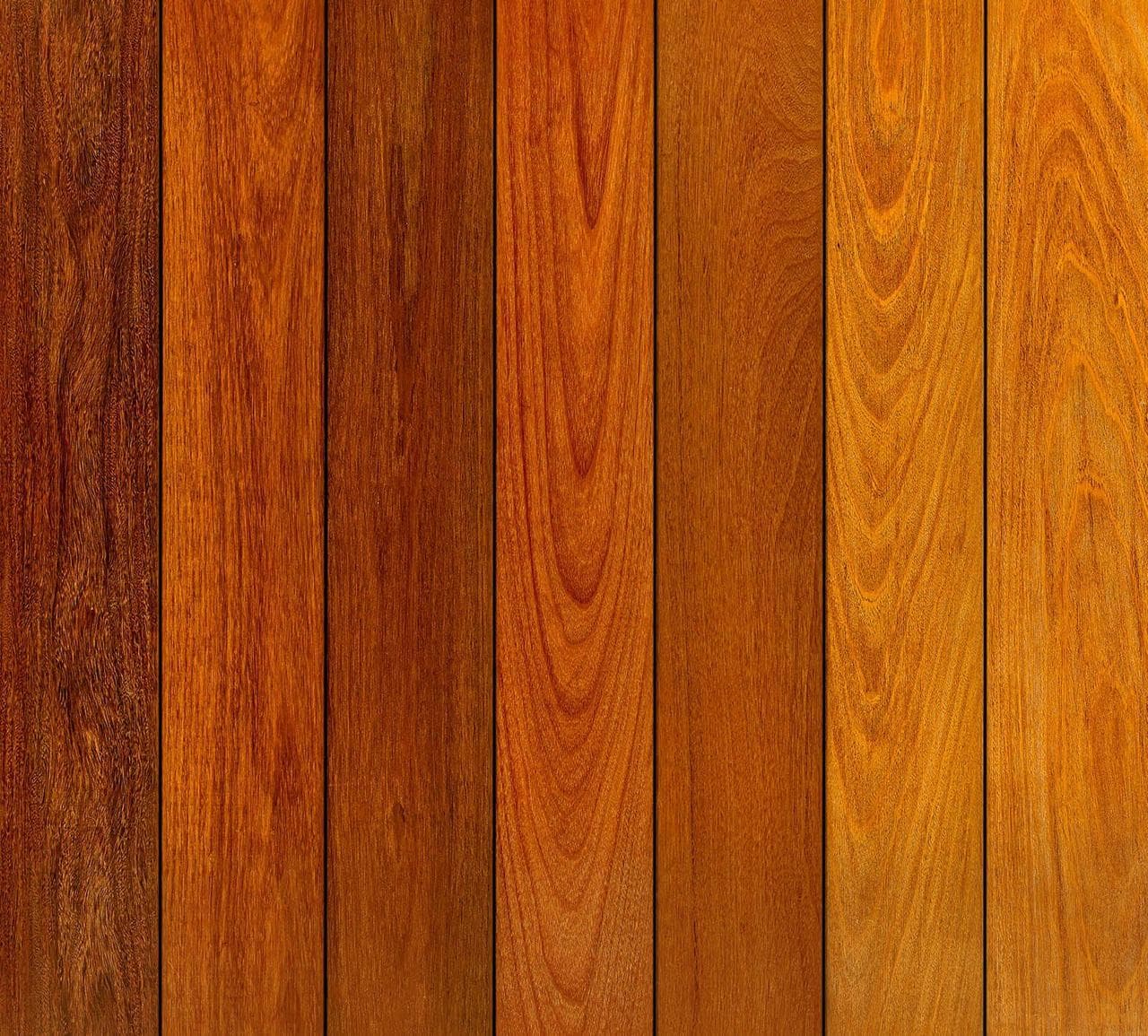
Ipe wood, often called Brazilian walnut, is a dense hardwood known for its resilience. Its properties make it a suitable material for outdoor applications, including compact urban decks where durability and a refined appearance are priorities. Ipe ranges from reddish-brown to olive-brown, offering a rich, natural aesthetic that can elevate a small outdoor area. When left untreated, Ipe will naturally weather to a silvery-gray patina, a look some urban homeowners prefer for its understated elegance. If the original color is desired, a UV-blocking sealer can be applied.
The minimal movement of Ipe post-installation is a key advantage for intricate urban designs. This stability helps maintain tight lines and precise gaps, which are important in smaller areas where imperfections are more noticeable. Its natural resistance to weather changes, mold, and termites contributes to its longevity, reducing the need for extensive chemical treatments and ongoing repairs, which can be particularly inconvenient in a constrained urban setting. It is available in a variety of profiles and sizes, allowing for flexibility in design.
Maximizing Space with Thoughtful Layouts
In a compact urban backyard, the deck layout is critical. Rectangular or square footprints are often the most efficient, but strategic use of board direction can create the illusion of a larger space. Running boards parallel to the longest dimension of the yard can draw the eye and make the area feel more expansive. For very narrow spaces, diagonal layouts can break up linearity and add visual interest, though this may result in more material waste due to angled cuts.
Consider multi-level designs for adding depth and defining zones without consuming a large footprint. A slightly raised platform for dining, with a lower level for lounging, can create distinct areas. Integrated benches, planters, or storage can also be built directly into the deck structure, eliminating the need for freestanding furniture that clutters the limited floor space. This approach blends functionality with the deck's design, making the most of every square foot.
Choosing Ipe Board Dimensions
The choice of Ipe board dimensions can significantly impact the perception of space in a small backyard. Wider boards, such as 1x6 or 5/4x6 profiles, can create a sense of scale and reduce the number of visible seams, contributing to a clean, uncluttered look. However, extremely wide boards might feel disproportionate in a very tiny space.
Conversely, narrower boards, like 1x4, can introduce more lines, which can sometimes make a space feel busier. It's often a balance: a moderate width, such as a 1x6 or 5/4x6, can provide a good compromise, offering a substantial appearance without overwhelming the area. Always verify the actual dimensions of the Ipe profiles as nominal sizes may differ from true measurements. Lumber Plus offers Ipe in dimensions from 1x2 to 6x6, in lengths from 3 to 24 feet, which provides options for minimizing cuts and waste, especially important in smaller projects.
Integrating Features and Furniture
To make a compact Ipe deck truly functional, integrate features that serve multiple purposes. Built-in benches made from Ipe can provide seating without taking up valuable floor space that freestanding chairs would. These benches can also incorporate storage underneath, ideal for stowing cushions or small gardening tools. Planters built into the deck structure can introduce greenery and soften the hardscape, contributing to a more inviting atmosphere.
When selecting furniture, prioritize pieces that are appropriately scaled for the space and, if possible, are multi-functional or foldable. Bistro sets, compact sectionals, or ottomans that double as extra seating or tables are excellent choices. Ensure there's enough circulation space around furniture to allow for comfortable movement, avoiding a cramped feel. The rich appearance of Ipe provides a strong foundation, allowing simpler, smaller furniture pieces to still feel substantial and elegant.
Worked Example: A 10'x8' Urban Deck
Consider a hypothetical urban backyard measuring 10 feet wide by 12 feet deep. The goal is to install an Ipe deck that maximizes usable space for dining and relaxation, leaving a 10'x4' strip for a small garden bed along one side. This results in a deck area of 10 feet by 8 feet (80 square feet).
For this project, we choose Ipe 1x6 (nominal size, actual dimensions approximately 3/4" x 5 1/2") square-edge boards. To make the 10-foot width feel longer and reduce cuts, we will run the boards parallel to the 10-foot dimension. Each board is 5.5 inches wide. For an 8-foot depth, approximately 17.45 boards are needed (8 feet / 5.5 inches = 96 inches / 5.5 inches = 17.45). This means 18 full boards will be purchased to cover the depth, with the last board needing a slight rip cut. For the 10-foot length, we will specify 10-foot lengths to avoid end-to-end seams.
Total linear footage: 18 boards x 10 feet/board = 180 linear feet. Given that Ipe is typically sold in various lengths, ordering a mix of 10-foot and 8-foot boards, if available, could help optimize material use, but for this specific example, 10-foot lengths are chosen for a seamless appearance across the width. If a 10-foot board is unavailable, two 5-foot boards could be used, but this introduces a seam. We recommend requesting 10-foot lengths where possible. For 180 linear feet of 1x6 Ipe, this is approximately 90 board feet (180 LF * 6 inches / 12 inches per foot = 90 BF).
Additionally, consider a built-in bench along the 8-foot edge, facing the garden. This bench could be 18 inches deep and 18 inches high, constructed with Ipe boards. This integration saves space and provides permanent seating, eliminating the need for bulky chairs that would restrict movement in the small dining area.
Before you order
- Measure your urban backyard's exact dimensions and note any obstructions or existing features.
- Determine the primary function(s) of your deck (dining, lounging, gardening, etc.).
- Sketch out potential deck layouts, considering board direction for visual expansion.
- Evaluate if multi-level designs or integrated features (benches, planters) are suitable for your space.
- Decide on the desired Ipe board width and profile (e.g., 1x6, 5/4x6) based on aesthetic and spatial considerations.
- Calculate the approximate linear footage of Ipe decking required, accounting for cuts and waste.
- Consider how furniture and circulation paths will fit on your chosen deck size.
- Plan for any desired finishes: will you let Ipe weather to silver-gray or apply a UV-blocking sealer?
- Research local building codes and obtain any necessary permits for deck construction.
- Identify any specific needs for fasteners and substructure materials compatible with Ipe.
Confirm installation details, approved uses and warranty terms in the current instructions for the exact product and profile. Your installer should verify the substrate, structure and applicable project requirements.
Questions to help you decide
How does Ipe's density affect installation in a small space?
Ipe's high density means it is a very stable wood, which is beneficial for maintaining precise lines and gaps in a compact design. However, it also requires specialized tools for cutting and drilling. Professional installation is often recommended due to its hardness, ensuring clean finishes that are important in smaller, highly visible areas.
Will Ipe decking make a small backyard feel smaller?
Not necessarily. While Ipe is a substantial material, its rich color and fine grain can add a sense of elegance and luxury. Strategic layout choices, such as running boards parallel to the longest dimension or using a diagonal pattern, can actually make a small space feel more expansive. Integrating built-in features also helps maintain an uncluttered look.
What maintenance is required for Ipe in an urban backyard?
Ipe is known for being low maintenance. If you prefer its natural reddish-brown to olive-brown color, applying a UV-blocking sealer periodically is recommended. If left untreated, Ipe will naturally weather to a silvery-gray patina. Regular cleaning to remove dirt and debris is generally sufficient to maintain its appearance and longevity, which is convenient for busy urban lifestyles.
Ready to Plan Your Urban Ipe Deck?
Request a material quote today. Provide your project dimensions, desired Ipe profile, and ZIP code to confirm current availability and service options for your compact urban backyard project.
Request a material quote →