Understanding Ipe for Stair Applications
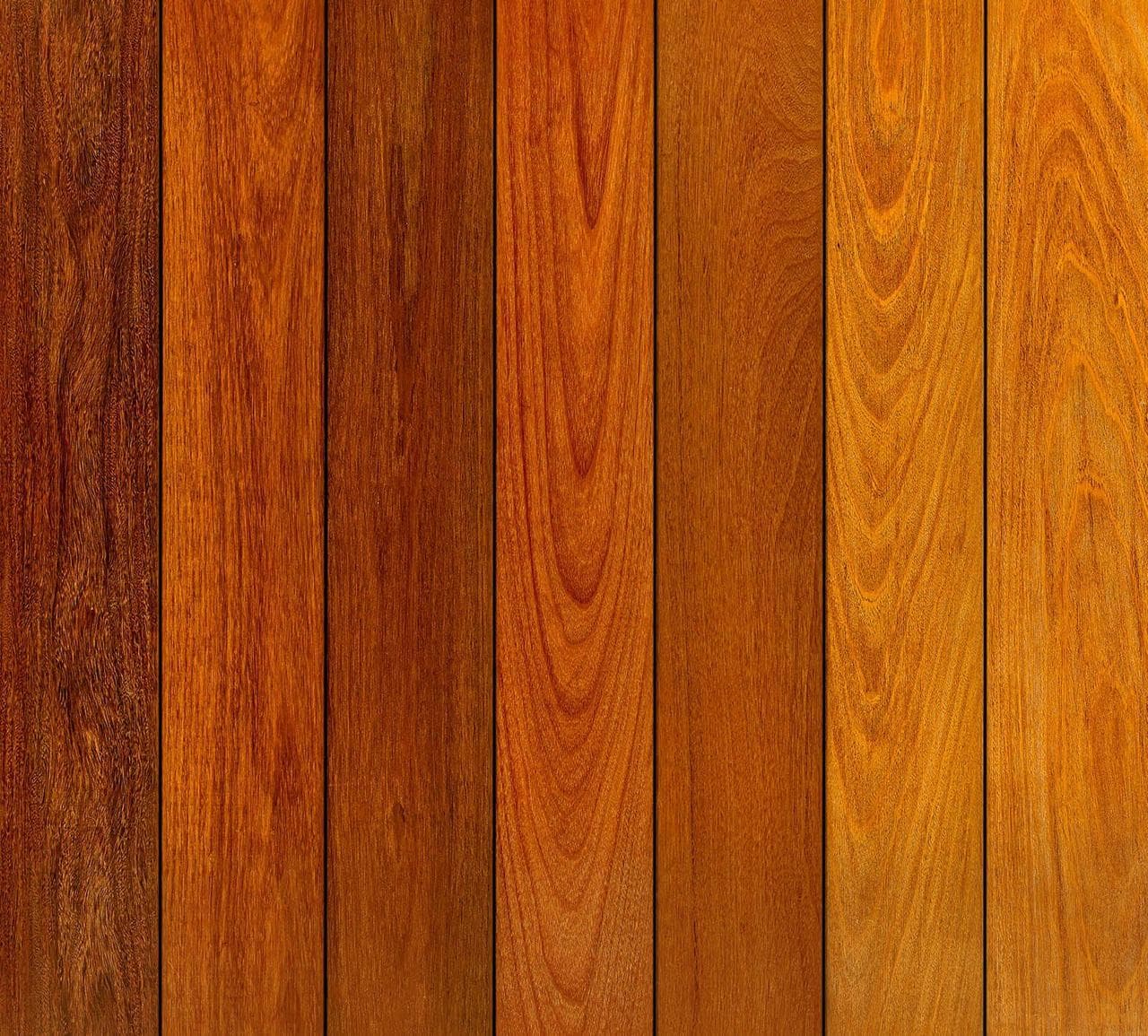
Ipe (Handroanthus spp.), also known as Brazilian walnut, is a dense hardwood originating from South America. Its natural resistance to rot, insects, and mold, coupled with minimal post-installation movement, makes it a suitable material for outdoor structures, including stairs. The wood's color ranges from reddish-brown to olive-brown, offering a rich appearance that can complement various architectural styles.
While Ipe's inherent properties make it durable for decking, its application to stairs requires specific attention to detail. Stair treads bear concentrated foot traffic and demand robust support to prevent deflection and ensure safety. The choice of Ipe profile for treads and risers should align with the structural design and expected load, considering its air dry density of approximately 5.75 lbs/bf.
Selecting Ipe Profiles for Treads and Risers
Ipe decking is available in various profiles and sizes, typically ranging from 1"x2" to 6"x6" dimensions and lengths from 3 to 24 feet. For stair treads, common decking board sizes like 1x6 or 5/4x6 are often used. The actual thickness and width of the board are critical for structural support and should be verified against local building codes and design specifications.
Treads are the horizontal surfaces where feet are placed, while risers are the vertical elements between treads. For treads, a thicker board provides greater rigidity and less deflection. Risers, being non-load-bearing in the same way as treads, can often utilize thinner Ipe boards or even be left open, depending on design preference and code requirements. Consistency in board selection between the deck surface and stairs enhances the overall visual flow of the project.
Structural Support for Ipe Deck Stairs
The density and weight of Ipe wood necessitate a well-engineered support structure for stairs. Stringers, the diagonal structural members that support the treads, must be adequately sized and spaced to carry the combined weight of the Ipe boards and anticipated live loads. Standard building codes provide guidelines for stringer dimensions, spacing, and attachment methods to the deck frame and ground.
Ensuring proper fastening of Ipe treads to the stringers is also crucial. Due to Ipe's density, pre-drilling pilot holes is generally recommended for fasteners to prevent splitting and ensure a secure connection. Stainless steel fasteners are often chosen for their corrosion resistance, which is important for the longevity of outdoor structures.
Local Building Codes and Safety Considerations
Deck stair construction is subject to strict local building codes that govern dimensions such as tread depth, riser height, handrail requirements, and guardrail specifications. These codes are in place to ensure safety and must be reviewed with your project team before selecting materials or beginning construction. For instance, many codes specify a maximum riser height and minimum tread depth, as well as a maximum variation between individual steps.
When using Ipe for stairs, its inherent properties contribute to a durable structure. However, specific detailing regarding board spacing, edge finishes, and the potential for the wood to become slippery when wet should be considered. While Ipe is resistant to warping after moisture exposure, maintaining a clean surface and considering anti-slip treatments or inserts can contribute to safety.
Worked Example: Calculating Ipe Treads for a Deck Stair
Imagine a deck stair with a total rise of 60 inches, requiring 10 steps (10 risers, 9 treads). Each tread is designed to be 48 inches wide, and we plan to use two Ipe 1x6 boards per tread for a total tread depth of approximately 11 inches (assuming nominal 5.5-inch board width).
For 9 treads, each composed of two 48-inch long Ipe 1x6 boards: 9 treads x 2 boards/tread = 18 boards. If Ipe 1x6 boards are typically supplied in 8-foot lengths, we can get two 48-inch pieces from each 8-foot board (96 inches / 48 inches = 2). Therefore, 18 boards / 2 pieces per board = 9 purchased 8-foot Ipe 1x6 boards. This calculation assumes minimal waste and precise cuts, with offcuts not being credited for reuse here. Always account for potential waste and order slightly more than the exact calculation.
This example provides a hypothetical quantity for the treads only. Risers, stringers, and other structural components would require separate calculations based on their specific dimensions and the chosen Ipe profiles or other structural lumber.
Before you order
- Verify local building codes for stair dimensions (riser height, tread depth) and railing requirements.
- Determine the desired finished appearance for the stairs (e.g., open risers, solid risers, single vs. multiple boards per tread).
- Select appropriate Ipe board profiles for treads and risers, considering thickness for structural integrity.
- Plan the stringer design, material, and spacing to adequately support the Ipe treads and anticipated loads.
- Choose compatible stainless steel fasteners and plan for pre-drilling pilot holes in Ipe boards.
- Consider end-grain sealing for cut Ipe boards to minimize moisture absorption.
- Discuss finishing options (natural weathering vs. oiled appearance) and maintenance with your installer.
- Review options for anti-slip treatments or inserts for Ipe treads, especially in wet conditions.
Confirm installation details, approved uses and warranty terms in the current instructions for the exact product and profile. Your installer should verify the substrate, structure and applicable project requirements.
Questions to help you decide
Can I use standard Ipe decking boards for stair treads?
Yes, Ipe decking boards are commonly used for stair treads. However, it is crucial to ensure the chosen board thickness and width meet local building code requirements for structural support and safety. Thicker boards generally provide better rigidity for treads. Always verify the specific span ratings for your chosen Ipe profile.
Do Ipe deck stairs require special maintenance?
Ipe wood is naturally low maintenance. For stairs, regular cleaning to remove debris and prevent slippery surfaces is recommended. If you wish to maintain its original reddish-brown to olive-brown color, applying a UV-blocking sealer periodically is necessary. If left untreated, Ipe will naturally weather to a silvery-gray patina. End-grain treatment for cut boards is also advisable.
What fasteners should be used for Ipe deck stairs?
Due to Ipe's density and outdoor exposure, stainless steel fasteners are recommended. These fasteners offer excellent corrosion resistance and durability. Pre-drilling pilot holes for all fasteners is essential to prevent splitting the Ipe boards and ensure a strong, secure connection to the stringers and other structural components.
Request a Quote for Your Ipe Deck Stair Project
Ready to build durable and beautiful Ipe deck stairs? Provide your project dimensions, desired Ipe profile, and ZIP code to request a material quote. Our team can help confirm current availability and service options for your specific needs. Start planning your Ipe stair project today.
Request a material quote →