Understanding Ipe Wood: Botanical and Origin
Ipe wood, also known as Brazilian walnut, is derived from trees in the Handroanthus genus, native to South America. This botanical classification is important for ensuring you are sourcing genuine Ipe, which is known for its exceptional density and resilience.
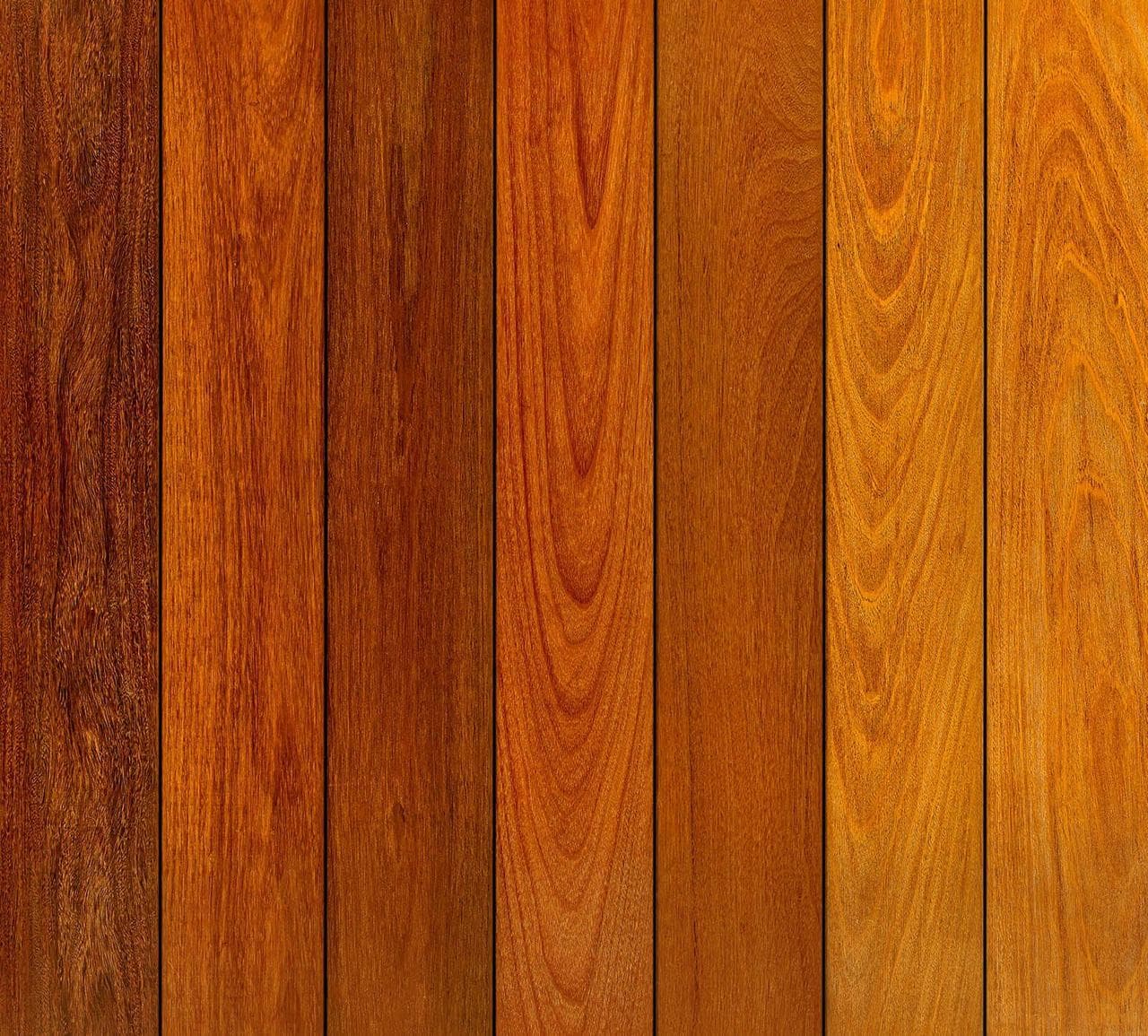
The wood's natural color ranges from reddish-brown to olive-brown, offering a sophisticated aesthetic that can enhance various outdoor designs. Its origin in South America contributes to its natural resistance to environmental factors common in many climates, including resistance to weather changes, mold, and termites. This inherent durability is a key reason Ipe is a benchmark hardwood for outdoor applications.
Key Physical Specifications and Performance Characteristics
When reviewing Ipe specifications, several physical characteristics stand out. Ipe is recognized for its high density, with an air dry density of approximately 5.75 lbs/bf and a general density around 60 pcf. This density contributes to its strength and resistance to impact.
A critical performance characteristic is Ipe's minimal movement post-installation, meaning it is less prone to warping or significant dimensional changes after it has been properly installed. Its natural oils also contribute to its resistance to cracking and warping even after moisture exposure, making it suitable for varying weather conditions. Ipe is naturally resistant to rot, insects, and mold, reducing the need for chemical treatments to protect it.
Available Profiles and Dimensions
Ipe decking is available in a variety of profiles and sizes to accommodate different project requirements. Common dimensions for Ipe lumber range from 1x2 inches up to 6x6 inches. Lengths typically range from 3 feet to 24 feet. These dimensions allow for flexibility in design, whether you are building a standard deck, custom railings, or other outdoor structures.
It is important to specify whether you require Air Dried (AD) or Kiln Dried (KD) material, as this can affect the wood's moisture content and how it will perform during and after installation. Always confirm the exact profile (e.g., nominal vs. actual dimensions, square-edge vs. grooved for hidden fasteners) needed for your specific fastening system and aesthetic.
Suitable Applications for Ipe Decking
Ipe's exceptional strength and natural resistance make it suitable for a wide range of outdoor applications. Its primary use is for decking, where its durability and aesthetic appeal create long-lasting and visually striking outdoor spaces. The material's resistance to weathering makes it a strong candidate for exposed areas.
Beyond decking, Ipe is also an excellent choice for exterior siding and cladding due to its durability and weather resistance. For fencing, its density and rot-resistant properties offer a durable and low-maintenance option. Other significant applications include industrial flooring, bridges, and heavy carpentry, highlighting its robustness. For any application, verifying the specific product's suitability and any required treatments (such as a UV-blocking sealer to maintain its original color) is crucial.
Worked Example: Selecting Ipe for a 200 sq ft Deck
Let's consider a hypothetical deck project: a rectangular deck measuring 10 feet by 20 feet, totaling 200 square feet. The client desires a classic look with 1x6 (nominal) Ipe decking boards, square-edge profile for face fastening, and a preference for longer boards to minimize seams.
Based on typical product availability, 1x6 Ipe boards often have an actual dimension closer to 3/4 inch thick by 5.5 inches wide. For a 200 sq ft deck, we need to calculate the linear footage.
To cover the 10-foot width (120 inches), you would need approximately 120 inches / 5.625 inches per board = 21.33 boards. Rounding up, you would need 22 boards for the width. Since the deck is 20 feet long, the total linear footage required would be 22 boards * 20 feet/board = 440 linear feet.
Considering that Ipe is available in lengths up to 24 feet, specifying a mix of 20-foot and 10-foot boards could be efficient to minimize waste and achieve the desired aesthetic. For example, you might order 22 boards at 20 feet each, totaling 440 linear feet. This allows for a clean run along the 20-foot dimension without butt joints on the main deck surface. Always add a percentage for waste and cuts, typically 10-15%, bringing the order to around 484-506 linear feet for this example. This ensures sufficient material for cuts and any unforeseen issues.
Before you order
- Verify botanical name (Handroanthus spp.) to confirm genuine Ipe.
- Confirm actual dimensions of selected profiles (e.g., 1x6 nominal vs. 3/4"x5.5" actual).
- Specify preferred drying method: Air Dried (AD) or Kiln Dried (KD).
- Identify the required board profile: square-edge for face fastening or grooved for hidden fasteners.
- Determine the desired length distribution to minimize waste and seams.
- Confirm the intended application matches Ipe's documented uses (decking, siding, fencing, etc.).
- Account for waste percentage (typically 10-15%) in your material order.
- Understand maintenance requirements based on desired aesthetic (natural weathering vs. oiled appearance).
Confirm installation details, approved uses and warranty terms in the current instructions for the exact product and profile. Your installer should verify the substrate, structure and applicable project requirements.
Questions to help you decide
What is the actual size of a nominal 1x6 Ipe decking board?
While '1x6' is a nominal size, the actual dimensions for Ipe decking boards are typically around 3/4 inch thick by 5.5 inches wide. Always confirm the exact actual dimensions with your supplier as part of the product specification.
Does Ipe decking come in different profiles?
Yes, Ipe decking is available in various profiles. Common options include square-edge boards for traditional face fastening and grooved boards designed for use with hidden fastening systems. The choice depends on your aesthetic preference and installation method.
What lengths are Ipe decking boards typically available in?
Ipe decking boards are commonly available in lengths ranging from 3 feet to 24 feet. The availability of specific lengths can vary, so it is advisable to discuss your project's length requirements with your supplier to optimize your order and minimize cuts and waste.
Ready to Specify Your Ipe Decking Order?
Request a material quote with your project dimensions, exact profile, and ZIP code to confirm current availability and service options for Ipe decking. Our team can assist you in reviewing your specifications to ensure a precise order.
Request a material quote →