Why Ipe for Commercial Patios?
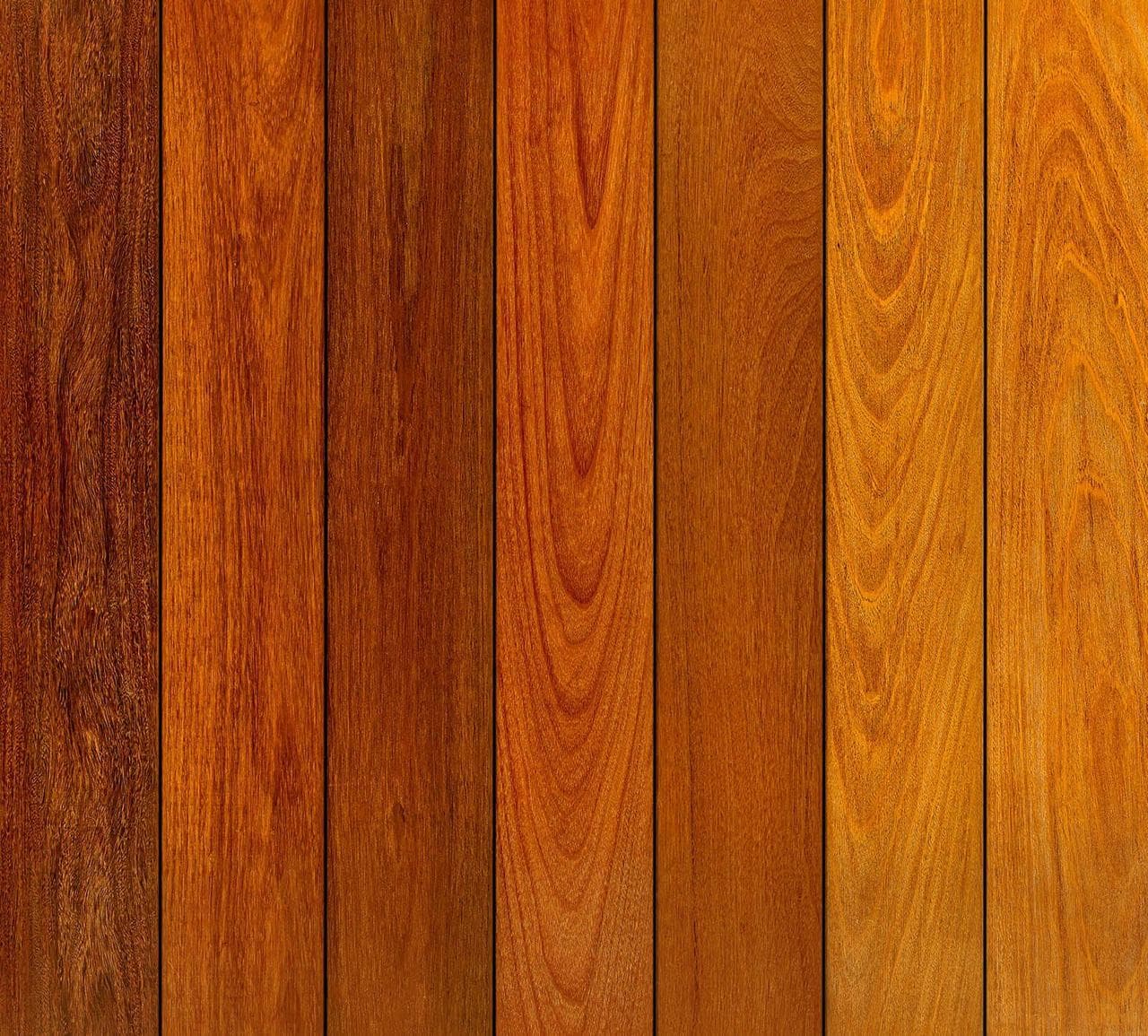
Ipe wood is a dense, durable hardwood native to South America, known for its reddish-brown to olive-brown tones and fine grain. These visual characteristics contribute to a sophisticated appearance that can enhance a restaurant's ambiance. Beyond aesthetics, Ipe's inherent properties make it a robust choice for commercial use.
Its natural density and resistance to rot, insects, and mold are key advantages for an outdoor space that experiences frequent use and exposure to spills. Unlike some other wood species, Ipe exhibits minimal movement post-installation, which can contribute to a stable and uniform surface over time. These attributes are important for maintaining a consistent and safe dining environment. Many suppliers, including Lumber Plus, are dedicated to environmentally responsible practices that ensure the longevity of the forests from which this wood is harvested. While Ipe is low maintenance, occasional sealing and cleaning will help preserve its natural beauty and extend its life.
Ipe wood comes in a variety of profiles and sizes, typically available in lengths from 3 to 24 feet, offering flexibility for diverse patio designs. The ability to choose from different dimensions, such as 1x6 or 5/4x6, allows for customization in the deck's visual pattern and structural support. This versatility helps designers and contractors achieve specific aesthetic and functional goals for a restaurant patio.
Planning for High Traffic and Seating Layouts
Restaurant patios often endure continuous foot traffic, moving furniture, and potential impacts. Ipe's density provides a robust surface that can withstand these demands. When planning the layout, consider the flow of customers and staff, as well as the placement of tables and chairs. A well-designed layout minimizes wear in specific areas and distributes traffic more evenly across the decking.
Board width selection can influence the visual scale of the patio and the perceived spaciousness. Wider boards, such as 1x6 or 5/4x6, can create a more expansive feel, while narrower boards might offer a more intricate pattern. The choice should complement the overall design aesthetic of the restaurant and the planned seating arrangements. When specifying, consider how board lengths will be utilized to minimize waste and ensure a clean appearance, especially in highly visible areas.
For areas with heavy furniture movement, such as dining chairs being pulled in and out, the inherent hardness of Ipe helps resist indentations and scratches. However, protective glides on furniture legs are still a recommended measure to further preserve the deck surface and reduce noise.
Maintenance Considerations for Commercial Use
While Ipe is considered low-maintenance, a commercial setting requires a proactive approach to upkeep to maintain its appearance and longevity. If left untreated, Ipe will weather to a silvery-gray patina, a natural process that many find appealing. However, for restaurants aiming to preserve the wood's original reddish-brown to olive-brown color, regular application of a UV-blocking sealer is necessary.
Cleaning is also crucial for a restaurant patio. Spills from food and beverages should be addressed promptly to prevent staining. Routine cleaning with a compatible deck cleaner helps remove dirt, grime, and environmental buildup. It is important to select cleaning products that are specifically formulated for hardwood decking and follow manufacturer instructions to avoid damaging the wood or altering its appearance.
The frequency of maintenance will depend on factors such as exposure to sun and rain, the volume of traffic, and the desired aesthetic. A clear maintenance schedule should be established and communicated to staff to ensure consistent care. This proactive approach helps protect the investment and keeps the patio looking its best for diners.
Specification Review: Dimensions and Profiles
When specifying Ipe for a restaurant patio, a thorough review of available dimensions and profiles is essential. Ipe is available in a range of sizes, including common decking profiles like 1x4, 1x6, 5/4x4, and 5/4x6. The nominal dimensions (e.g., 1x6) refer to the rough-sawn size, while the actual finished dimensions will be slightly smaller.
For example, a nominal 1x6 board might have actual dimensions closer to 3/4 inch thick by 5.5 inches wide. These actual measurements are critical for accurate spacing and structural planning. Understanding the precise finished dimensions helps in calculating material quantities and ensuring proper installation clearances.
Ipe decking is typically available in both square-edge and grooved profiles. Square-edge boards are suitable for face-fastening, where screws are driven through the face of the board into the joists. Grooved boards are designed to be used with hidden fastening systems, which create a smooth, fastener-free surface. The choice between these profiles often comes down to aesthetic preference and installation method. For a commercial patio, a hidden fastening system can offer a cleaner look and potentially reduce tripping hazards associated with exposed fasteners.
Hypothetical Project Example: The Urban Bistro Patio
Consider an urban bistro planning a new outdoor dining patio. The space measures 20 feet by 30 feet, yielding a total area of 600 square feet. The bistro owner wants a durable, attractive surface that can withstand moderate to high foot traffic and occasional spills, while maintaining a refined aesthetic.
For a 30-foot length (360 inches), this means approximately 64 boards (360 inches / 5.625 inches per board). For the 20-foot width (240 inches), and assuming boards are laid parallel to the 30-foot side, we would need 240 inches / 5.625 inches per board, which is approximately 42.6 boards. Since boards are purchased in full lengths, the number of boards for the 20-foot width would be 43 boards. The total number of linear feet required for the 20x30 foot area is 43 boards * 30 feet/board = 1,290 linear feet.
However, this assumes boards are perfectly laid end-to-end. In practice, longer boards (e.g., 16-foot or 20-foot lengths) would be selected to minimize seams. For a 20x30-foot area, using 20-foot boards laid along the 30-foot dimension would require cuts and waste. Each board would be 20 feet long. So, 64 boards * 20 feet = 1,280 linear feet. This calculation is a starting point; actual quantities would need to factor in a waste percentage (typically 10-15%) for cuts, defects, and installation nuances, especially around irregular shapes or borders.
The bistro also opts for a UV-blocking oil finish to maintain the rich Ipe color, with a plan for annual reapplication. They decide on a hidden fastening system to ensure a smooth surface for guests and easy cleaning. This detailed approach ensures that the Ipe decking not only looks appealing but also performs optimally under commercial restaurant conditions.
Before you order
- Verify local building codes for commercial outdoor decking materials and installation.
- Assess expected foot traffic volume and furniture movement to inform board thickness and fastening system.
- Determine desired aesthetic: natural weathered gray or maintained original color (requires UV-blocking sealer).
- Choose between square-edge (face-fastened) or grooved (hidden fasteners) Ipe profiles.
- Select appropriate board widths (e.g., 1x4, 1x6, 5/4x4, 5/4x6) for the patio scale and design.
- Plan for board lengths to minimize waste and optimize visual flow, especially for long runs.
- Establish a detailed maintenance schedule for cleaning and finishing to preserve appearance and longevity.
- Confirm availability of compatible fasteners, sealers, and cleaning products.
- Consider accessibility requirements and potential for slip resistance, if relevant to local codes or operational needs.
- Budget for professional installation due to Ipe's density and specialized tooling requirements.
Confirm installation details, approved uses and warranty terms in the current instructions for the exact product and profile. Your installer should verify the substrate, structure and applicable project requirements.
Questions to help you decide
How durable is Ipe decking for a high-traffic restaurant patio?
Ipe wood is known for its exceptional density and hardness, making it highly durable for commercial applications like restaurant patios. It naturally resists rot, insects, and mold, and withstands significant foot traffic and furniture movement without easily scratching or denting. This contributes to its longevity and ability to maintain a consistent surface over time.
What kind of maintenance does Ipe decking require in a commercial setting?
For commercial Ipe decking, regular cleaning is recommended to remove dirt, spills, and grime. If you wish to preserve its original reddish-brown to olive-brown color, a UV-blocking sealer should be applied periodically, typically annually, depending on sun exposure. If left untreated, Ipe will naturally weather to a silvery-gray patina, which also requires occasional cleaning to keep it looking fresh.
Are there specific installation considerations for Ipe on a restaurant patio?
Yes, due to its density, Ipe requires specialized tools for cutting and drilling. Professional installation is highly recommended to ensure proper fastening and a high-quality finish. For commercial patios, hidden fastening systems are often preferred for their clean look and to reduce potential tripping hazards. Proper ventilation beneath the deck is also important for long-term stability and performance.
Ready to Plan Your Restaurant Patio with Ipe Decking?
Request a material quote for your project. Provide your project dimensions, desired Ipe profile, and ZIP code to confirm current availability and service options.
Request a material quote →