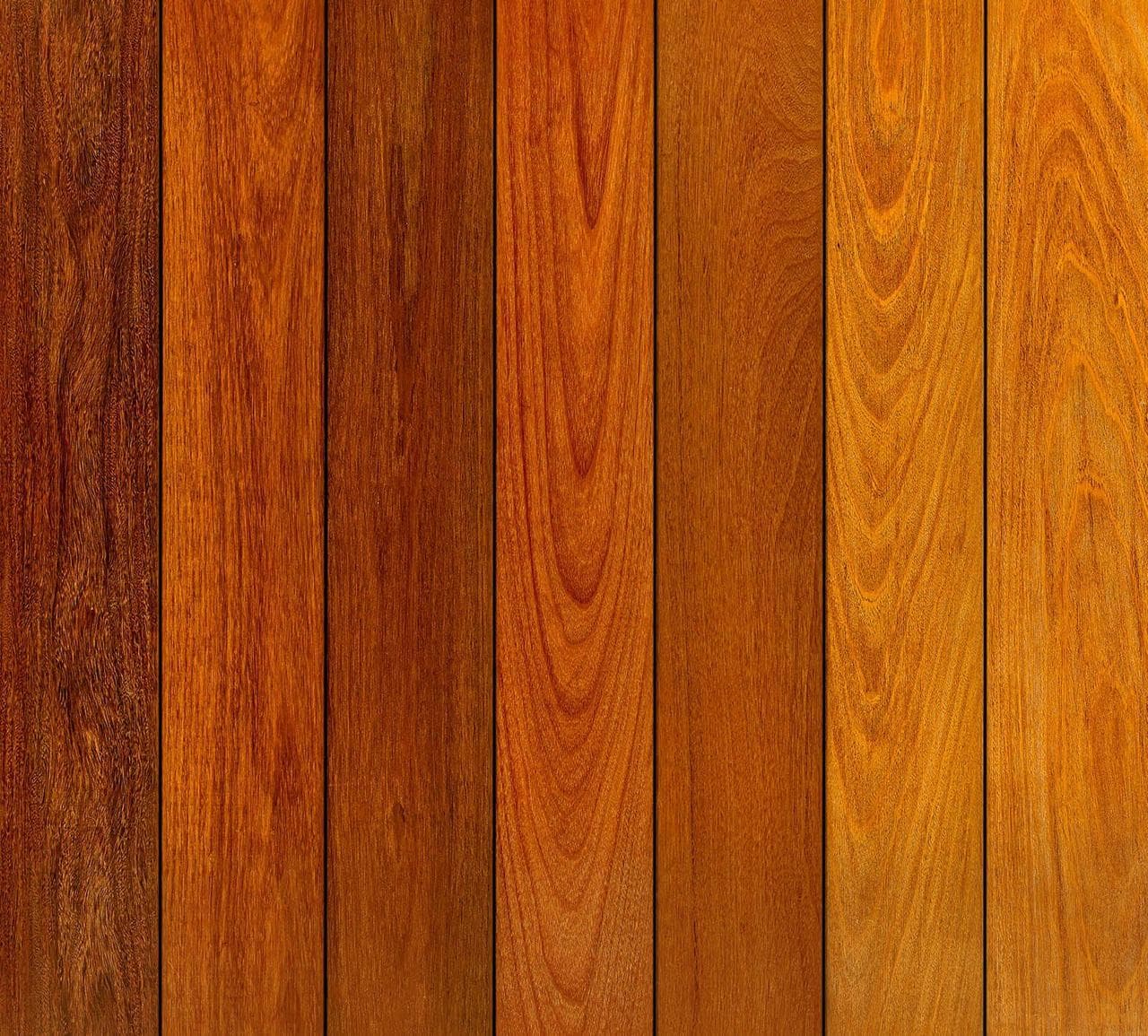
Why Identification Matters for Ipe Decking Repairs
Ipe wood, known for its density and durability, comes from various species within the Handroanthus genus. While all are robust, their subtle differences in grain, color, and density can become apparent when a new board is placed next to an aged one. A precise match helps maintain the aesthetic integrity of your deck.
Beyond the species, the exact profile and dimensions of your existing boards are crucial. Ipe decking is available in a range of standard and custom profiles, including different thicknesses, widths, and edge treatments (e.g., square edge or grooved for hidden fasteners). Mismatched profiles can lead to installation difficulties and an uneven deck surface. Furthermore, the age and weathering of your deck will influence how a new board appears; an untreated Ipe deck will naturally weather to a silvery-gray patina, while an oiled deck will retain more of its original reddish-brown to olive-brown tones. A new board will initially stand out unless it is treated to match the existing finish or allowed to weather naturally alongside the deck.
Step 1: Determine the Ipe Species and Origin
Ipe is a common name for several species of wood within the Handroanthus genus, often referred to as Brazilian Walnut. While the broad term "Ipe" is used, specific botanical names like Handroanthus impetiginosus or Handroanthus serratifolius might denote slight variations in color or grain pattern. For most repair purposes, knowing it's "Ipe" is a good start, but observing the existing board's general color range (reddish-brown to olive-brown) and grain characteristics can help inform your search.
If you have original documentation from your deck's installation, it may specify the exact botanical name or supplier. Without it, compare the visible grain and color of your existing boards to samples or product images. Note that Ipe's color can deepen or lighten over time due to sun exposure and finishing.
While Ipe is primarily sourced from South America, the specific region can sometimes influence characteristics. However, for repair purposes, focusing on the visual attributes and physical dimensions of your existing boards is generally more practical than pinpointing a precise origin if not already known.
Step 2: Measure Board Dimensions and Profile
Accurate measurement of your existing Ipe deck boards is essential. Measure the thickness and width of several boards in different locations, as slight variations can occur due to milling or environmental factors. Common Ipe decking dimensions include 1x4, 1x6, 5/4x4, and 5/4x6, but other dimensions are available.
Pay close attention to the board's edge profile. Is it a square edge, designed for face fastening, or does it have a groove along the side for hidden fasteners? If grooved, measure the depth and width of the groove, as hidden fastener systems require specific groove dimensions for proper engagement. If your deck uses a combination of profiles, such as square edge for borders and grooved for the main field, identify the specific profile needed for the repair area.
Also, note the length of the boards. While you may only need a short section for a repair, understanding the original board lengths used in your deck can help you anticipate how new material will integrate, especially if visible seams are a concern.
Step 3: Assess the Existing Finish and Weathering
The current appearance of your Ipe deck is a result of both its natural characteristics and its exposure to the elements and any applied finishes. Ipe can be left untreated to weather to a silvery-gray patina, or it can be regularly oiled to maintain its rich, original reddish-brown to olive-brown tones. Identify whether your deck is weathered or treated.
If your deck is oiled, try to identify the type and brand of oil previously used, as this will be critical for matching the finish on new boards. Even if you cannot identify the exact product, knowing if it's an oil-based penetrating sealer or a film-forming finish will guide your choice for the replacement board. For a weathered deck, a new board will initially appear much darker and richer in color. It will take time to weather to match the existing patina, or you can consider applying a weathering accelerator or a diluted stain to help blend it more quickly. Conversely, if your deck is oiled, you'll need to apply a similar oil to the new board to integrate it.
Consider the overall condition of the surrounding boards. Are they faded, stained, or showing signs of wear? This context will help set realistic expectations for how perfectly a new board will blend in.
Worked Example: Replacing a 5/4 x 6 Ipe Board
Imagine you need to replace a damaged board on an existing Ipe deck. The deck was installed five years ago and has been regularly oiled, giving it a deep reddish-brown appearance.
First, you meticulously measure the damaged board: it is 1 inch thick and 5.5 inches wide, with a square edge profile. You also notice that the deck uses face fasteners, not hidden clips. This tells you the original material was likely a nominal 5/4 x 6 Ipe board (actual dimensions typically 1" x 5.5").
Next, you observe the color. It's a rich reddish-brown, consistent with oiled Ipe. You recall using a specific UV-blocking Ipe deck oil during previous maintenance. Your goal is to find a new Ipe board with similar dimensions and then apply the same oil to it.
When you contact a supplier, you request a nominal 5/4 x 6 Ipe board with a square edge profile. Upon receiving the new board, you'll notice it's a brighter, more varied reddish-brown to olive-brown. This pre-treatment helps the new board begin to match the established color of the existing deck, minimizing the initial contrast.
Once installed, periodic re-oiling of the entire deck will further help the new board integrate visually over time.
Before you order
- Have I identified the existing Ipe wood's general color range and grain pattern?
- Do I have any original documentation specifying the Ipe species or supplier?
- Have I precisely measured the thickness and width of the existing deck boards?
- Have I determined the exact edge profile (square edge, grooved, etc.) of the existing boards?
- If grooved, have I measured the groove dimensions for hidden fasteners?
- Is the existing deck weathered to a silvery-gray, or is it treated with an oil or finish?
- If treated, can I identify the type or brand of finish used?
- Have I considered how the new board's appearance will integrate with the aged deck (e.g., weathering vs. immediate finish match)?
- Do I need to purchase a specific length, or can I cut a longer board to size?
- Have I planned for any necessary pre-treatment or finishing of the new board before installation?
Confirm installation details, approved uses and warranty terms in the current instructions for the exact product and profile. Your installer should verify the substrate, structure and applicable project requirements.
Questions to help you decide
How do I know if my deck is Ipe?
Ipe is a very dense and heavy hardwood, typically dark reddish-brown to olive-brown, and often has a fine, tight grain. If left untreated, it weathers to a silvery-gray. A key indicator is its hardness; it's difficult to dent or scratch. If you have an existing sample, you can compare it to known Ipe samples or consult with a lumber professional.
Will a new Ipe board match the color of my old Ipe deck?
Initially, a new Ipe board will likely appear brighter and richer in color than an aged deck. If your existing deck is weathered, the new board will take time to naturally weather to a similar silvery-gray. If your deck is oiled, applying the same oil to the new board will help it blend, but some initial color difference may still be visible due to the age and exposure of the older boards.
Can I use different dimensions of Ipe for a repair?
It is strongly recommended to match the exact thickness and width of your existing Ipe boards for a repair. Mismatched dimensions will result in an uneven deck surface, creating tripping hazards and impacting the structural integrity of the repair. Even slight differences in width can affect board spacing and aesthetics.
Ready to Repair Your Ipe Decking?
Provide your project dimensions, desired Ipe profile, and ZIP code to request a material quote. Confirm current availability and service options for your specific repair needs. Visit our Ipe Decking product page for more details: https://www.lumberplus.com/decking/hardwood/ipe
Request a material quote →