Why Consider Ipe for a Pool Surround?
Ipe wood is known for its exceptional durability and hardness, making it a robust choice for high-traffic outdoor areas like pool surrounds. It has a natural resistance to rot, insects, and mold, which is beneficial in moist environments. Its density also contributes to its stability, with minimal movement post-installation, helping it resist warping even with exposure to water. These inherent qualities mean Ipe can maintain its structural integrity and appearance over time, even around a swimming pool.
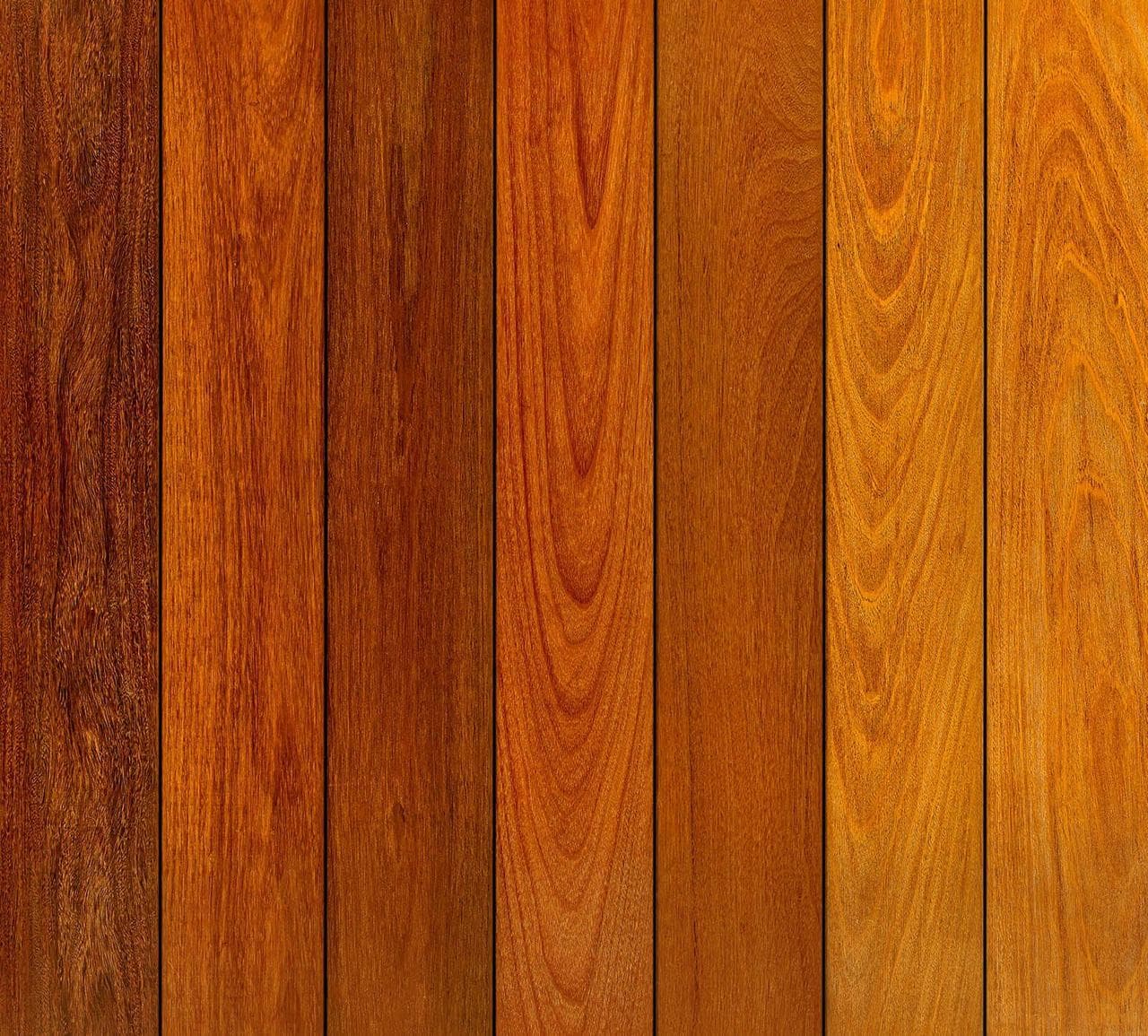
The aesthetic appeal of Ipe is another key factor. It features a range of reddish-brown to olive-brown tones that can add a luxurious look to any outdoor space. When considering a pool surround, the visual warmth of natural wood can complement the cool blue of water, creating an inviting atmosphere. Ipe can be left to weather to a silvery-gray patina or maintained with a UV-blocking sealer to preserve its original color.
Understanding Water Exposure and Ipe
While Ipe is resistant to moisture and weather changes, consistent saturation from pool splashes, foot traffic, and drainage patterns warrants careful planning. Proper drainage beneath and around your Ipe deck is paramount to prevent standing water, which can lead to staining or accelerate the natural weathering process. Ensure the deck design incorporates a slight slope away from the pool and that the substructure allows for adequate airflow.
The surface of Ipe, like any wood, can become slippery when wet. This is a critical consideration for a pool surround where bare feet are common. While Ipe's dense grain offers some natural texture, it is important to be aware of the potential for reduced traction. Regular cleaning can help remove any accumulated debris or algae that might further reduce grip. Some homeowners might consider incorporating non-slip strips or textured finishes, though these alter the natural appearance and require specific application instructions.
Cleaning and Maintenance for Poolside Ipe
Maintaining Ipe around a pool involves regular cleaning to remove pool chemicals, dirt, and organic matter. A simple sweep and wash with water and a mild, pH-neutral cleaner is usually sufficient. Avoid harsh chemicals or pressure washers that could damage the wood fibers or strip any applied finishes. For stubborn stains, specialized wood cleaners designed for hardwoods may be used, always following the manufacturer's instructions and testing in an inconspicuous area first.
If you choose to maintain Ipe's original rich color, periodic application of a UV-blocking oil or sealer is necessary. This step also provides an additional layer of protection against moisture and helps to repel water. If left untreated, Ipe will naturally transition to a silvery-gray over time, a process accelerated by sun and water exposure. This weathered look is often desired for its low-maintenance appeal, but it's important to understand this natural transformation will occur.
Edge Profiles and Finishing Details
The edges of Ipe decking around a pool require careful attention for both safety and aesthetics. Square-edge boards can create a clean, modern look, but sharp edges might be uncomfortable for bare feet. Consider eased edges or bullnose profiles for a softer, more foot-friendly finish, especially at the perimeter of the deck or around steps leading into the pool. These profiles can be achieved through milling or by routing square-edge boards.
For a polished appearance, fascia boards can be used to cover the exposed ends of the deck joists and framing, creating a seamless transition from the deck surface to the ground or pool coping. When selecting Ipe for fascia, ensure it matches the decking in color and profile. Proper installation of fascia and edge boards is crucial for both the structural integrity and the visual appeal of the pool surround. Consider how these elements will interact with the existing pool coping or surrounding hardscaping.
Hypothetical Project: An Ipe Pool Deck Planning Example
Let's consider a hypothetical pool deck project: a rectangular pool measuring 15 feet by 30 feet, with a desired Ipe deck surround extending 8 feet out from all sides. This creates an outer deck dimension of 31 feet by 46 feet. The total area of the deck, excluding the pool, would be (31 x 46) - (15 x 30) = 1426 - 450 = 976 square feet. For a practical estimate, we will use 1x6 (actual 0.75" x 5.5") Ipe decking boards.
For a project requiring 976 square feet of coverage, and using 5.5-inch wide boards, we would need approximately 2130 linear feet of Ipe (976 sq ft / (5.5 inches / 12 inches/ft) = 2130.5 linear feet). Assuming we want to minimize waste and use standard lengths, we'd typically order a mix of 12-foot and 16-foot boards. For this example, let's assume an average board length of 14 feet. This would mean approximately 2130.5 / 14 = 153 boards. Always order a percentage extra for cuts and unforeseen issues, perhaps 10-15%, bringing the board count closer to 170-175 boards.
Consider the layout: long boards parallel to the longest side of the pool can reduce the number of end joints and create a visually expansive feel. For the 8-foot extension, 16-foot boards could be used, cut in half to create two 8-foot sections, minimizing waste. For areas requiring longer runs, full 16-foot or longer boards would be selected. This spacing affects the total linear footage required.
Before you order
- Assess specific site drainage and sun exposure around the pool.
- Decide on desired Ipe appearance: natural silvering or maintained color.
- Consider non-slip solutions if wet traction is a primary concern.
- Plan for appropriate board spacing to ensure efficient water drainage.
- Select suitable edge profiles for comfort and safety (eased or bullnose).
- Account for proper ventilation beneath the deck structure.
- Confirm compatibility of cleaning products with Ipe and any applied finishes.
- Verify local building codes for pool deck materials and installation.
- Budget for initial material costs and ongoing maintenance supplies.
Confirm installation details, approved uses and warranty terms in the current instructions for the exact product and profile. Your installer should verify the substrate, structure and applicable project requirements.
Questions to help you decide
How does Ipe perform when wet around a pool?
Ipe is naturally resistant to moisture and rot, making it suitable for wet environments. However, like most wood surfaces, Ipe can become slippery when wet. Proper drainage in the deck design and regular cleaning can help manage this. Some homeowners may consider additional non-slip treatments for enhanced safety.
Will chlorine or saltwater from the pool damage Ipe?
Ipe is a dense hardwood with natural oils that provide resistance to many environmental factors. While occasional exposure to chlorinated or saltwater is generally not an issue, prolonged exposure or harsh chemical concentrations can affect any material. Regular rinsing of the deck surface with fresh water can help minimize potential impacts.
What kind of maintenance does Ipe decking need around a pool?
Ipe is considered low-maintenance. For a pool surround, regular sweeping and washing with a mild, pH-neutral cleaner and water will help remove pool chemicals, dirt, and debris. If you prefer to retain Ipe's original rich color, periodic application of a UV-blocking oil or sealer will be necessary. Otherwise, it will naturally weather to a silvery-gray patina.
Ready to Plan Your Ipe Pool Surround?
Request a material quote with your project dimensions, desired Ipe profile, and ZIP code. We can confirm current availability and service options for your project.
Request a material quote →