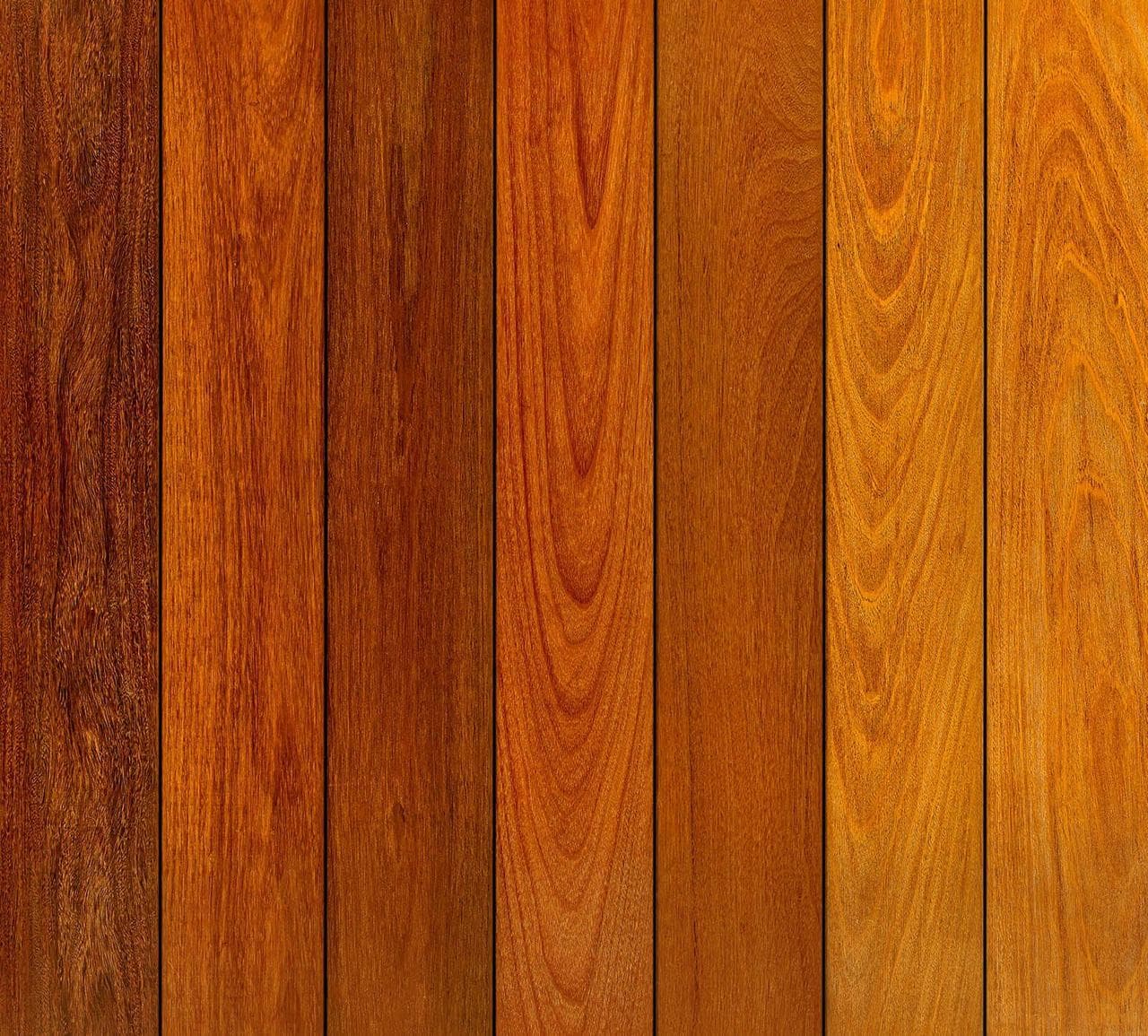
Evaluating Your Ipe Deck's Current Condition
Begin by closely inspecting your entire deck surface. Look for variations in color, areas where the oil has worn away, and any signs of mildew, dirt, or graying. Pay particular attention to high-traffic areas, sections exposed to direct sunlight, and areas under planters or furniture, as these often show different wear patterns.
Assess the overall color consistency. Has the deck faded unevenly? Are there darker, still-oiled patches next to lighter, weathered areas? This visual assessment will inform whether a simple cleaning is sufficient or if more intensive preparation is needed.
Check for any surface contaminants. Are there visible dirt, grime, or green/black mildew spots? Mildew can appear as dark spots or a hazy film, especially in shaded or damp areas. These contaminants must be addressed before applying new oil.
Understanding Oil Wear and Weathering
Over time, the oil finish on Ipe decking will naturally wear down due to UV exposure, foot traffic, and environmental factors. The natural oils in Ipe protect it from cracking or warping, but the applied finish provides additional UV protection and enhances its color. When the oil wears, the Ipe may begin to gray or show a duller appearance.
Partial graying indicates that the UV protection from the oil has diminished, allowing the wood to start its natural weathering process. If left untreated, Ipe will eventually achieve a silvery-gray patina. However, if you wish to restore the original oiled look, addressing this graying is crucial before re-oiling.
Cleaning Your Ipe Deck
A thorough cleaning is almost always necessary before refreshing an oiled Ipe deck. Start by sweeping or blowing off all loose debris. For general dirt and grime, a dedicated deck cleaner formulated for hardwoods is often effective. Follow the product instructions carefully, typically applying the cleaner, letting it dwell, and then scrubbing with a stiff brush.
If mildew or stubborn stains are present, you may need a cleaner with mildew-removing properties. Always test any cleaning product on an inconspicuous area first to ensure compatibility and prevent discoloration. Rinse the deck thoroughly with water, ensuring all cleaning solution residue is removed. Allow the deck to dry completely before proceeding to the next step, which may take 24-48 hours depending on humidity and temperature.
Addressing Graying and Restoring Color
If your Ipe deck has significant graying or uneven color after cleaning, a wood brightener can help restore the wood's natural tones. Wood brighteners are typically oxalic acid-based solutions that neutralize cleaners and bring back some of the wood's original vibrancy. Apply the brightener according to manufacturer instructions, usually after cleaning and before the deck is fully dry, then rinse thoroughly.
For severely weathered or grayed Ipe, a more intensive approach might involve light sanding. This should only be considered if cleaning and brightening haven't achieved the desired result and if you are comfortable with the process or plan to hire a professional. Use a fine-grit sandpaper (e.g., 80-120 grit) and work with the grain. Sanding removes a thin layer of weathered wood, revealing the fresh Ipe underneath. After sanding, ensure all dust is removed before applying oil.
Choosing the Right Oil for Your Ipe Deck
Selecting a high-quality, penetrating oil specifically designed for exotic hardwoods like Ipe is crucial for a lasting refresh. These oils typically contain UV inhibitors to help prevent future graying and nourish the wood from within. Avoid film-forming finishes like varnishes or polyurethanes, as they can peel and crack on dense hardwoods.
Consider the desired appearance. Some oils enhance the natural reddish-brown tones, while others may offer a more amber hue. Always read product labels for compatibility with Ipe and follow the manufacturer's application guidelines for best results. A small test application on an inconspicuous area is highly recommended to confirm the color and finish.
Worked Example: Refreshing a 10x12 Foot Ipe Deck
Imagine you have a 10-foot by 12-foot Ipe deck (120 square feet) that was last oiled two years ago. It shows moderate graying in sunny areas and some mildew spots in a shaded corner. You want to restore its rich color.
1. **Initial Assessment:** Observe uneven color, graying, and mildew. Decide a full cleaning and brightening are needed.
2. **Cleaning:** Sweep the deck thoroughly. Apply an Ipe-compatible deck cleaner to the entire surface, scrubbing the mildewed corner with a stiff brush. Let it dwell for the recommended time, then rinse completely.
3. **Brightening:** While the deck is still damp, apply a wood brightener. Allow it to work as per instructions, then rinse again until the water runs clear. Let the deck dry for at least 24 hours.
4. **Final Inspection:** Once dry, check for any remaining graying or stains. If minor, proceed. If significant, consider light spot-sanding in affected areas.
Ensure no puddles form. Depending on the product and desired saturation, a second thin coat might be applied after a few hours, again wiping off excess. Allow the deck to cure completely before resuming use, as per the oil manufacturer's instructions.
This systematic approach ensures each issue is addressed, leading to a more durable and aesthetically pleasing refreshed finish.
Before you order
- Visually inspect the entire deck for color variations, wear patterns, and surface contaminants.
- Identify areas of graying, mildew, dirt, or peeling finish.
- Determine if a simple cleaning is sufficient or if brightening/sanding is required.
- Select appropriate cleaning and brightening products compatible with Ipe.
- Choose a penetrating oil with UV inhibitors specifically formulated for exotic hardwoods.
- Ensure the deck is completely dry before applying any oil.
- Plan for proper ventilation and personal protective equipment during cleaning and oiling.
- Confirm the weather forecast for several dry days for optimal curing.
Confirm installation details, approved uses and warranty terms in the current instructions for the exact product and profile. Your installer should verify the substrate, structure and applicable project requirements.
Questions to help you decide
How often should I refresh my oiled Ipe deck?
The frequency depends on sun exposure, foot traffic, and climate. For decks in full sun, re-oiling every 6-12 months might be necessary. Shaded decks or those with less traffic may only need a refresh every 1-2 years. Regular inspection will tell you when the deck starts to lose its color and protection.
What happens if I don't re-oil my Ipe deck?
If left untreated, Ipe will naturally weather to a beautiful silvery-gray patina. While this does not harm the wood's structural integrity, the original rich color will be lost. Regular oiling helps maintain the wood's vibrant tones and offers enhanced UV protection.
Can I use a pressure washer on my Ipe deck?
While a pressure washer can be used, extreme caution is advised. Use the lowest effective pressure setting (typically below 1200 PSI) and a wide fan tip (25 degrees or wider). Keep the nozzle moving constantly and at a safe distance from the wood to avoid damaging the surface fibers. Improper use can gouge or fuzz the wood, requiring more extensive sanding.
Ready to Refresh Your Ipe Deck?
For materials for your Ipe deck refresh project, request a material quote with your project dimensions, desired oil profile, and ZIP code. Confirm current availability and service options for your location.
Request a material quote →