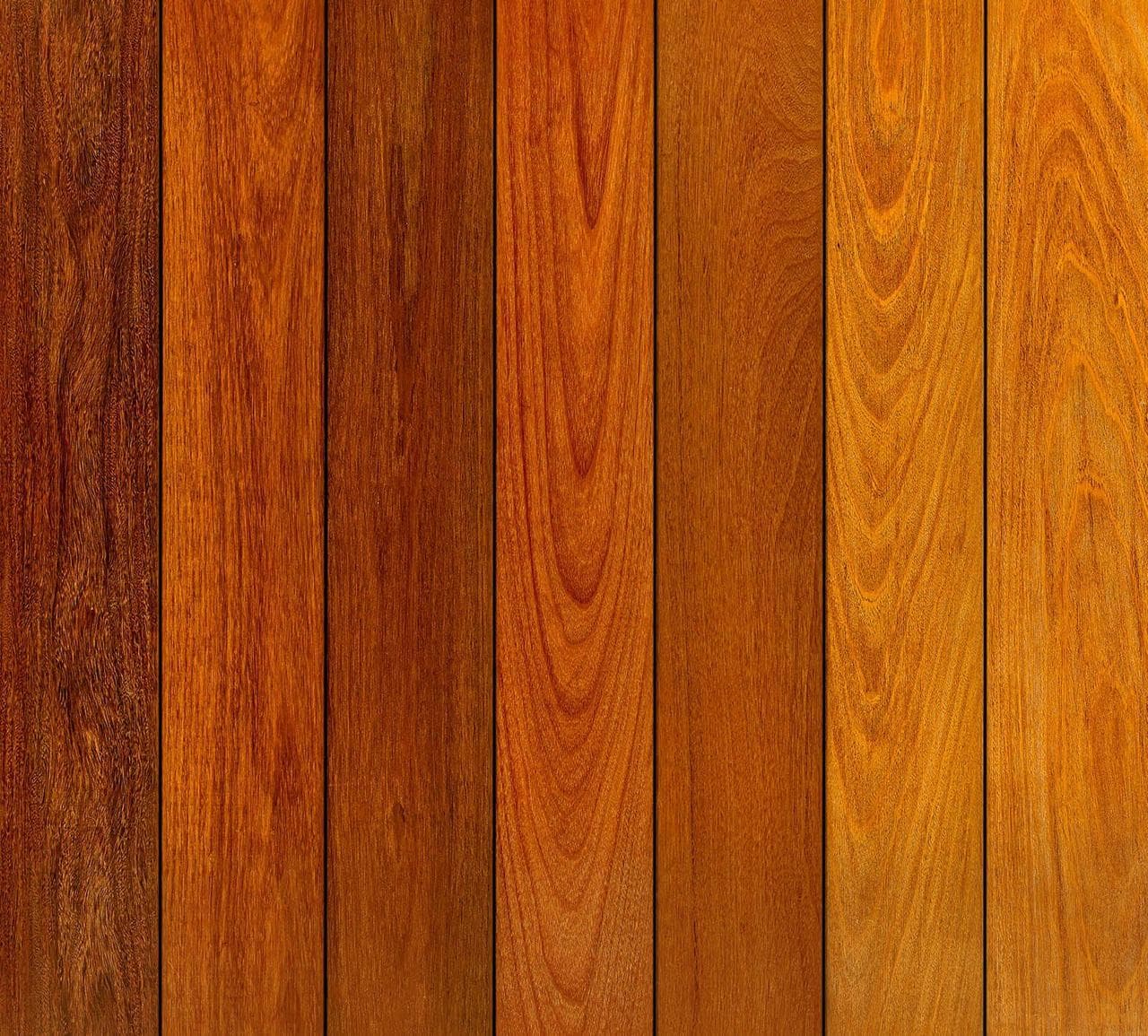
The Natural Beauty of Unfinished Ipe
One of Ipe's appealing qualities is its ability to withstand outdoor elements without requiring a protective finish. If left untreated, Ipe decking will gradually transform, developing a soft silvery-gray patina over time. This natural weathering process is a characteristic of many hardwoods exposed to UV light and moisture.
The graying process is not a sign of decay; rather, it's a superficial change that doesn't compromise the wood's structural integrity or its natural resistance to rot, insects, and mold. Many homeowners appreciate this weathered look, as it can blend harmoniously with natural landscapes and offer a low-maintenance aesthetic.
Opting for a naturally weathered finish means less frequent maintenance in terms of reapplying stains or sealers. However, regular cleaning to remove dirt, mildew, and leaves is still recommended to maintain the deck's appearance and prevent organic growth.
Preserving Ipe's Original Color with an Oiled Finish
If you prefer to maintain Ipe's original rich, reddish-brown to olive-brown color, an oil-based finish is the recommended approach. These finishes typically contain UV blockers that help slow down the graying process caused by sun exposure. An oil finish enhances the wood's natural grain and can give the deck a vibrant, luxurious appearance.
Applying an oil finish involves cleaning the deck thoroughly, allowing it to dry completely, and then applying a suitable oil specifically formulated for dense hardwoods like Ipe. This process usually needs to be repeated annually or bi-annually, depending on climate, sun exposure, and product instructions, to sustain the color and protection. The frequency of reapplication is a key consideration for homeowners who desire to keep the original color.
While an oiled finish requires more regular attention than a naturally weathered deck, it provides the benefit of preserving Ipe's initial deep tones and can offer some additional protection against moisture absorption and surface wear.
Considerations for Coastal and Winter Environments
For decks in coastal areas, salt air and intense sun exposure can accelerate the weathering process. If aiming for the natural gray, this might happen more quickly. If preserving the original color, coastal conditions may necessitate more frequent oiling due to the harsh environmental factors.
In regions with winter exposure, Ipe's natural resistance to weather changes and its minimal movement post-installation make it a resilient choice. Both natural weathering and oiled finishes will perform well, but an oiled deck will require cleaning and reapplication before colder months or after winter passes to maintain its appearance. Ensure any finish selected is suitable for the temperature ranges and moisture levels expected in your project's climate.
Maintenance Differences: A Practical Look
The choice between natural weathering and an oiled finish significantly impacts your long-term maintenance schedule.
A naturally weathered Ipe deck will primarily require routine cleaning. This includes sweeping away debris, occasional washing with water and a mild cleaner to remove dirt or mildew, and ensuring proper drainage to prevent standing water. This approach minimizes the need for chemical applications.
An oiled Ipe deck, however, demands a more active maintenance routine. It will need periodic cleaning, typically followed by sanding (if necessary) and reapplication of the oil finish. The frequency depends on the specific product used and environmental factors, but it is generally an annual to bi-annual task. This commitment ensures the deck retains its desired color and luster.
The difference lies in the visual outcome and the type of maintenance tasks performed.
Worked Example: Choosing a Finish for a 200 sq ft Deck
Imagine you are planning a 10-foot by 20-foot Ipe deck, totaling 200 square feet. You have two primary finish options:
Option 1: Natural Weathering. You decide to let the Ipe weather naturally. Your maintenance tasks will primarily involve sweeping, occasional pressure washing (on a low setting or with a deck cleaner) to remove dirt and mildew, and ensuring good air circulation under the deck. You will save on the cost of oil, brushes, and the time for application. Over five years, this might mean 10-15 hours of cleaning labor.
Option 2: Oiled Finish. You want to preserve the rich, reddish-brown color. For your 200 sq ft deck, you might need 1 gallon for the initial application and 0.5-1 gallon for annual touch-ups. Over five years, this could mean purchasing 3-5 gallons of oil, plus brushes/applicators. The labor for cleaning and re-oiling annually might be 5-8 hours per year, totaling 25-40 hours over five years. This includes cleaning, drying time, and application.
This example highlights that while Ipe is durable in both scenarios, the choice of finish directly translates into differing commitments of time and material costs for maintenance.
Before you order
- Desired Aesthetic: Do you prefer a silvery-gray patina or the original reddish-brown to olive-brown tones?
- Maintenance Commitment: Are you willing to commit to annual or bi-annual oiling, or do you prefer minimal finish upkeep?
- Environmental Factors: How will sun exposure, moisture, and local climate affect the finish over time?
- Budget for Maintenance: Have you accounted for the cost of oils, cleaners, and application tools?
- Time for Maintenance: Can you dedicate the necessary hours for cleaning and re-oiling, or do you prefer a lower-touch approach?
- Compatibility: Ensure any chosen oil or cleaner is specifically recommended for Ipe or dense hardwoods.
Confirm installation details, approved uses and warranty terms in the current instructions for the exact product and profile. Your installer should verify the substrate, structure and applicable project requirements.
Questions to help you decide
How long does Ipe take to weather to a gray patina?
If left untreated, Ipe will typically begin to show signs of graying within a few months to a year, depending on its exposure to UV light and moisture. Full silvery-gray patina can develop over one to two years.
Can I switch from a weathered Ipe look to an oiled finish later?
Yes, it is generally possible to restore weathered Ipe to its original color and apply an oil finish. This usually involves deep cleaning the deck, potentially sanding the surface to remove the grayed layer, and then applying a suitable Ipe deck oil. This process can be more labor-intensive than maintaining an already oiled deck.
What kind of oil should I use for Ipe decking?
For Ipe decking, it's important to use a penetrating oil specifically formulated for dense hardwoods. These oils are designed to soak into the wood rather than forming a film on the surface, which can peel or flake. Look for products that offer UV protection to help maintain the wood's color. Always follow the manufacturer's instructions for application and reapplication.
Ready to Plan Your Ipe Decking Project?
Whether you envision a naturally weathered look or a rich, oiled finish, Lumber Plus offers Ipe decking to suit your project. Request a material quote today with your project dimensions, desired profile, and ZIP code to confirm current availability and service options. Explore our full selection of Ipe decking and complementary products like other hardwood decking, composite decking, and PVC decking.
Request a material quote →