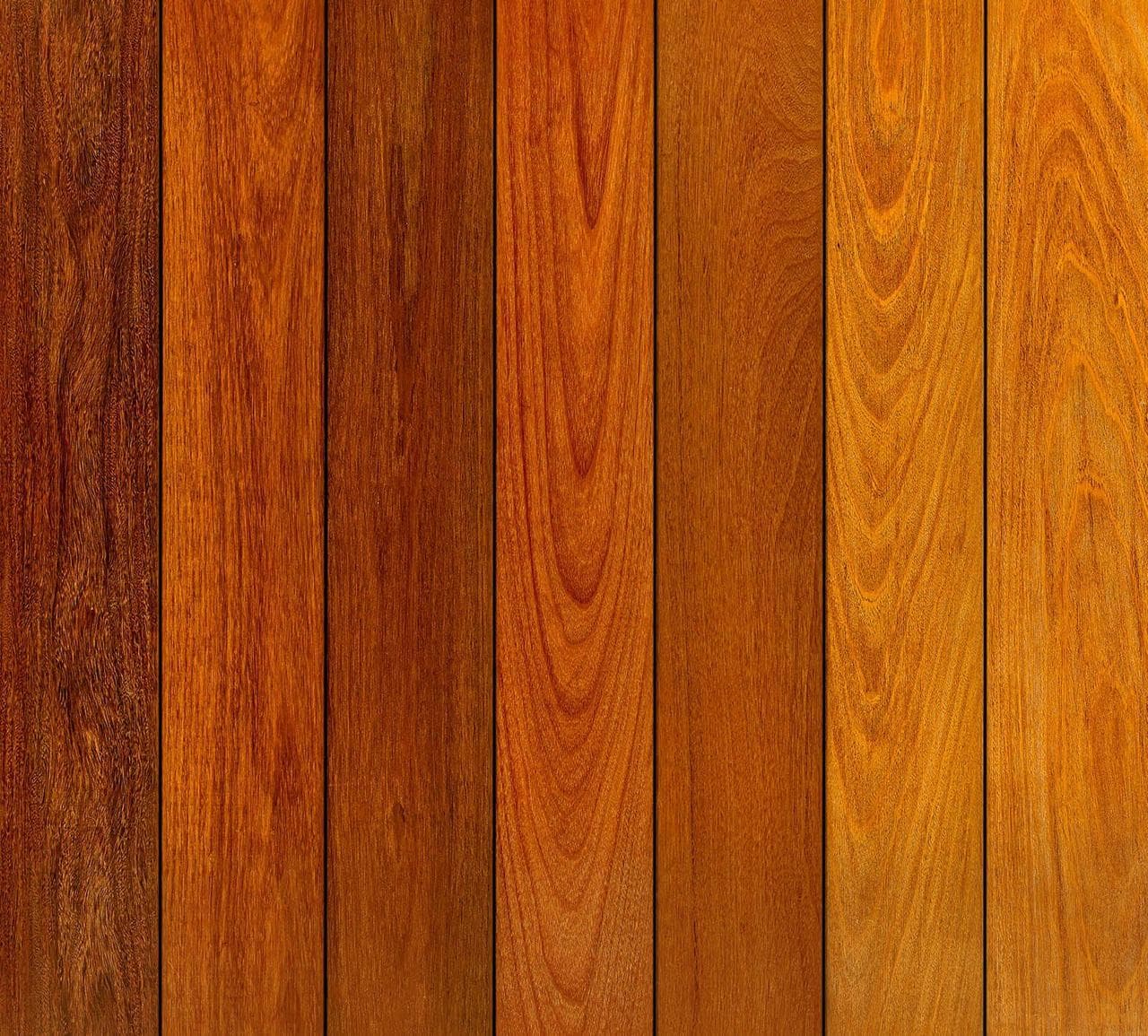
Initial Material Cost: Ipe Decking
Ipe wood, also known as Brazilian walnut, is recognized for its density, durability, and resilience, making it a premium choice for outdoor decking. Its initial material cost typically reflects these qualities. Ipe lumber is available in various profiles and sizes, commonly ranging from 1"x2" to 6"x6" dimensions and lengths from 3 to 24 feet. The specific profile and length mix you choose will influence your overall material purchase.
When planning your project, consider the board dimensions. For example, a common decking board size is 5/4" x 6" (nominal). While the actual dimensions are slightly smaller, this profile is a standard for many deck applications. Your total material cost will be calculated based on the total linear footage required, factoring in waste for cuts and desired board lengths to minimize seams.
Installation Considerations and Costs
This density means pre-drilling pilot holes is typically necessary for fasteners, even when using hidden fastening systems. Professional installation is often recommended to ensure proper technique and to manage the material effectively.
Labor costs for Ipe installation may be higher than for softer woods or composite materials due to the increased effort and specialized tooling involved. Factors like the complexity of your deck design, the presence of stairs, railings, or picture-frame borders, and the chosen fastening method (face-fastening with plugs vs. hidden fasteners) will all contribute to the overall installation expense. Always confirm the exact assembly and fastening requirements with your installer and review product guides.
Understanding Ipe's Natural Weathering
One of Ipe's distinct characteristics is its ability to weather naturally to a silvery-gray patina if left untreated. This transformation is a preferred aesthetic for many homeowners, reducing the need for ongoing staining or sealing. The natural oils within the wood help protect it from cracking or warping, even when exposed to weather changes.
Choosing to let your Ipe deck weather means the primary ongoing task is cleaning. Regular cleaning helps remove dirt, pollen, and mildew, preserving the integrity of the wood and its weathered appearance. This approach can significantly reduce the long-term cost and time commitment associated with maintaining a deck's original color.
Maintaining Ipe's Original Color: Oiling and Sealing
If you prefer to maintain Ipe's rich reddish-brown to olive-brown color, a UV-blocking sealer or oil application is necessary. This treatment helps protect the wood from the sun's rays, which cause the natural graying process. The frequency of reapplication depends on your local climate, sun exposure, and the specific product used, but it typically ranges from once a year to every few years.
This approach involves an annual or biennial commitment to cleaning, sanding (lightly, if needed), and reapplying the finish. While this adds to the ongoing ownership tasks, it preserves the initial aesthetic of the Ipe. Consider the cost of suitable UV-blocking oils or sealers and the time or labor required for application when budgeting for this maintenance choice.
Lifecycle Budget Worked Example: 300 Sq Ft Deck
Let's consider a hypothetical 300-square-foot deck project using 5/4" x 6" Ipe decking boards.
**Scenario 1: Natural Weathering (Silvery-Gray Patina)**
Initial Material Cost: Estimate the cost for 660 linear feet of Ipe 5/4" x 6" decking. (This will be a significant upfront cost).
Initial Installation Cost: Factor in professional labor for Ipe's density, including pre-drilling and fastening.
Ongoing Maintenance (Yearly): Cleaning with a deck cleaner and brush, estimated at 4-6 hours of labor per year, plus the cost of cleaning solution. Over 10 years, this might be 40-60 hours of your time or a recurring professional cleaning service.
**Scenario 2: Maintaining Original Color (Oiled Appearance)**
Initial Material Cost: Same as Scenario 1.
Initial Installation Cost: Same as Scenario 1.
Ongoing Maintenance (Every 1-2 Years): Cleaning, light sanding (if needed), and applying a UV-blocking oil. This could involve 8-12 hours of labor per application, plus the cost of oil/sealer. Over 10 years, assuming biennial application, this equates to 40-60 hours and several gallons of product.
This example highlights that while the initial material and installation costs are similar, the ongoing time and financial commitment for maintenance can differ substantially based on your desired aesthetic. These are illustrative figures; actual costs will vary based on product prices, labor rates, and specific maintenance products.
For complementary materials, consider:
Decking: Hardwood: <a href="/decking/hardwood">/decking/hardwood</a>
Decking: Composite: <a href="/decking/composite">/decking/composite</a>
Decking: PVC: <a href="/decking/pvc">/decking/pvc</a>
Before you order
- Desired appearance: Will you allow Ipe to weather to a silvery-gray or maintain its original reddish-brown hue?
- Maintenance commitment: How much time and budget are you willing to allocate for cleaning and oiling?
- Installation expertise: Are you comfortable with the specialized tools and techniques required for Ipe, or will you hire a professional?
- Project complexity: Does your deck design include features that might increase installation labor?
- Long-term value: Are the durability and natural resistance of Ipe worth the initial investment for your project?
- Climate considerations: How will your local weather patterns influence the frequency of maintenance if maintaining the original color?
Confirm installation details, approved uses and warranty terms in the current instructions for the exact product and profile. Your installer should verify the substrate, structure and applicable project requirements.
Questions to help you decide
How does Ipe's initial cost compare to other decking materials?
Ipe is a premium hardwood decking material, and its initial cost is generally higher than many common softwoods or some composite options. This higher upfront investment is often justified by its exceptional durability, natural resistance to rot, insects, and mold, and minimal movement post-installation, which can lead to lower long-term replacement costs. However, it is essential to compare total project costs, including installation and ongoing maintenance.
What tools are needed for Ipe decking installation?
Due to Ipe's density, specialized tools are often recommended for installation. These typically include carbide-tipped saw blades, high-quality drill bits for pre-drilling pilot holes, and robust fastening systems suitable for hardwoods. Professional installers will have the necessary equipment and expertise to handle Ipe efficiently and correctly.
Does Ipe decking require end-grain sealer?
Yes, applying an end-grain sealer to freshly cut ends of Ipe boards is a common recommendation. This helps to reduce the rate of moisture absorption and release at the board ends, which can minimize the potential for checking or splitting. Always follow the specific product guide for your chosen Ipe decking and any recommended sealers.
Request a Material Quote for Your Ipe Decking Project
Ready to plan your Ipe decking project? Contact us with your project dimensions, desired Ipe profile, and ZIP code. We can provide a material quote and confirm current availability and service options for your area. We look forward to assisting you with your decking needs.
Request a material quote →