Understanding Waterfront Exposure for Ipe
Waterfront environments present a distinct set of challenges for any outdoor material. For Ipe decking, the primary concerns include elevated humidity, which can promote mildew growth in shaded areas, and salt spray, which can accelerate the weathering process and potentially leave a residue. Intense, unfiltered sunlight common in open waterfront settings can also increase the rate at which Ipe's natural color fades to a silvery-gray patina.
While Ipe's natural oils protect it from cracking or warping due to moisture exposure, consistent exposure to harsh elements means that planning for regular cleaning and, if desired, reapplication of a UV-blocking finish, becomes more critical than for a deck in a more sheltered inland location. Consider the specific orientation of your deck relative to the water, prevailing winds, and sun exposure when anticipating maintenance needs.
Ipe wood is known for its minimal movement post-installation and natural resistance to weather changes, mold, and termites. This inherent durability is a significant advantage in demanding waterfront applications, reducing the risk of structural issues often associated with less resilient wood species. However, even with Ipe's strength, attention to specific environmental factors remains key for optimal performance and appearance.
Cleaning Your Waterfront Ipe Deck
Regular cleaning is the cornerstone of waterfront Ipe deck maintenance. Salt spray, dust, pollen, and organic debris can accumulate on the surface, potentially leading to a dull appearance or promoting mildew. For routine cleaning, a simple wash with water and a soft-bristle brush is often sufficient to remove loose dirt and salt residue.
For more stubborn grime or mildew, a specialized deck cleaner formulated for hardwoods is recommended. Always test any cleaning product on an inconspicuous area first to ensure compatibility and prevent unintended discoloration. Follow the manufacturer's instructions for dilution and application, and rinse thoroughly with fresh water to remove all cleaning solution residue. Avoid high-pressure washing, as it can damage the wood fibers if not used correctly and at a safe distance.
In areas prone to heavy organic growth due to shade or constant dampness, consider increasing the frequency of cleaning. A proactive approach to removing environmental buildup helps maintain the deck's appearance and can extend the life of any applied finish.
Choosing an Appearance: Natural Weathering vs. Oiled Finish
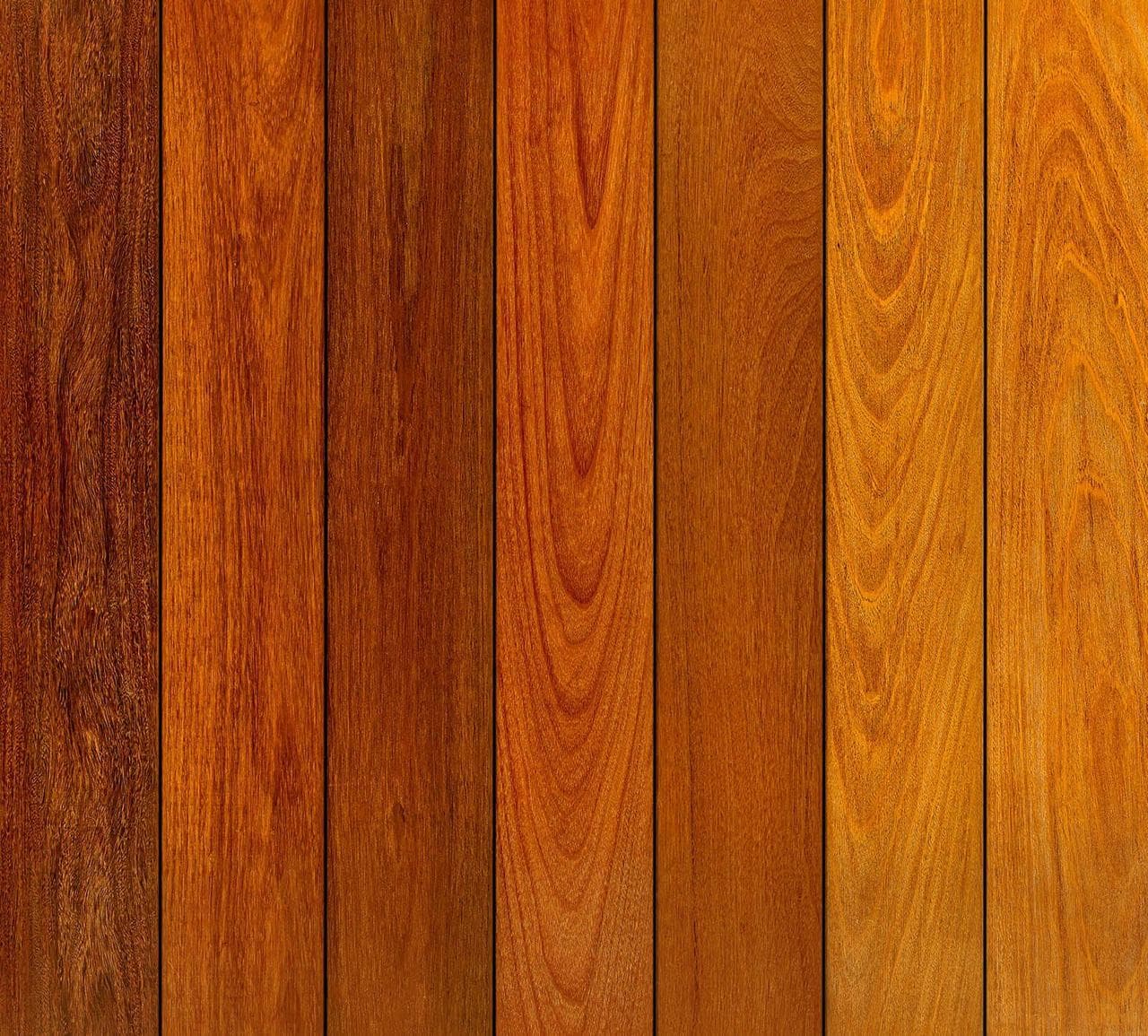
Ipe decking offers two primary aesthetic paths: allowing it to weather naturally to a silvery-gray patina or maintaining its original reddish-brown to olive-brown color with an oil finish. Both options are suitable for waterfront settings, but they have different maintenance implications.
If you choose natural weathering, Ipe will gradually transform to a soft silver-gray over time. This process is accelerated by intense UV exposure, common in waterfront locations. While this option requires less frequent application of finishes, regular cleaning is still essential to prevent mildew and dirt buildup. The weathered look can blend harmoniously with natural surroundings.
To preserve Ipe's rich, original color, a UV-blocking oil finish is necessary. Waterfront decks exposed to strong sunlight will require more frequent reapplication of this finish compared to decks in shaded or inland areas. The frequency depends on the specific product, sun exposure, and traffic, but annual or bi-annual reapplication is common. Always use an oil specifically designed for exotic hardwoods like Ipe to ensure proper penetration and protection. This approach offers a vibrant, warm appearance but demands a more consistent maintenance schedule.
Protecting Against Specific Waterfront Challenges
Beyond general cleaning and finishing, waterfront Ipe decks benefit from specific protective measures. Ensure adequate ventilation beneath the deck, especially in humid environments, to prevent moisture accumulation and potential mildew growth on the underside of boards. Good airflow helps the deck dry quickly after rain or high humidity.
For decks directly exposed to salt spray, consider a more frequent rinse with fresh water, perhaps monthly or quarterly, to wash away salt deposits that can dull the surface or attract dirt. This simple step can significantly reduce the need for more intensive cleaning.
Regularly inspect the deck for any signs of wear, loose fasteners, or damage. While Ipe is highly durable, early detection of minor issues can prevent them from escalating. Pay attention to areas where water might pool or where debris accumulates, as these are often the first places to show signs of accelerated weathering or organic growth.
Sample Maintenance Plan for a Waterfront Ipe Deck
Consider a 12-foot by 20-foot Ipe deck on a coastal property with direct sun exposure. The homeowner prefers to maintain the rich, original color of the Ipe.
Quarterly: Rinse the entire deck surface with fresh water using a garden hose to remove salt residue and loose dirt. Use a soft-bristle brush for any visible salt buildup. Inspect for any debris accumulation or minor mildew spots, addressing them immediately with a light scrub and water.
Bi-Annually (Spring and Fall): Perform a thorough cleaning. First, sweep the deck clear of all debris. Then, apply a hardwood-specific deck cleaner diluted according to manufacturer instructions, scrubbing with a soft brush. Rinse thoroughly. Allow the deck to dry completely, typically 24-48 hours depending on humidity. In the spring, after cleaning and drying, apply a UV-blocking Ipe oil finish. Ensure even coverage and wipe off any excess to prevent a sticky residue. A fall cleaning helps prepare the deck for potential winter moisture.
Annually: Beyond the bi-annual routine, conduct a detailed inspection of the entire deck structure, including fasteners and the underside for ventilation. Address any minor repairs, such as tightening screws or replacing individual boards if necessary. Reassess the deck's color retention and decide if an additional oil application is needed, particularly in high-traffic or intensely sun-exposed areas. This proactive schedule helps preserve the deck's appearance and structural integrity against the demands of a waterfront setting.
Before you order
- Assess your waterfront property's specific environmental factors: sun exposure, wind, salt spray, and shade.
- Decide on your preferred Ipe appearance: natural silvery-gray patina or maintained original color with oil.
- Select appropriate cleaning products: mild soap for routine cleaning, hardwood-specific cleaner for tougher stains.
- Choose a compatible UV-blocking oil finish if maintaining the original color, specifically formulated for Ipe.
- Plan for ventilation under the deck to minimize moisture buildup.
- Gather necessary tools: soft-bristle brush, garden hose, rags, and safety gear.
- Establish a realistic cleaning and re-finishing schedule based on local conditions and desired appearance.
- Budget for maintenance products and any professional assistance if needed.
- Understand that consistent, proactive maintenance is key to longevity and appearance in waterfront settings.
Confirm installation details, approved uses and warranty terms in the current instructions for the exact product and profile. Your installer should verify the substrate, structure and applicable project requirements.
Questions to help you decide
How often should I clean my waterfront Ipe deck?
For waterfront Ipe decks, routine cleaning with water and a soft brush should be done quarterly or even monthly, especially if exposed to significant salt spray or heavy organic debris. A more thorough cleaning with a specialized deck cleaner is generally recommended bi-annually, in spring and fall, or as needed based on visible grime or mildew.
Will Ipe's color fade on a waterfront deck?
Yes, if left untreated, Ipe will naturally weather to a silvery-gray patina, a process that can be accelerated by the intense UV exposure common in waterfront environments. To preserve its original reddish-brown to olive-brown color, regular application of a UV-blocking oil finish designed for hardwoods is necessary.
What kind of oil should I use for my waterfront Ipe deck?
For waterfront Ipe decks, it is crucial to use a high-quality UV-blocking oil specifically formulated for exotic hardwoods like Ipe. These oils are designed to penetrate dense wood, protect against UV degradation, and resist moisture. Always follow the product manufacturer's instructions for application and reapplication frequency, as this can vary significantly based on environmental conditions.
Ready to Plan Your Ipe Decking Project?
Request a material quote with your project dimensions, desired Ipe profile, and ZIP code to confirm current availability and service options. Our team can help you select the right materials for your waterfront decking needs.
Request a material quote →