Material Composition and Durability
Ipe (Handroanthus spp.), also known as Brazilian walnut, is a dense, durable hardwood native to South America. It is recognized for its natural resistance to rot, insects, and mold. Its inherent oils contribute to its resilience against weather changes, helping to prevent cracking or warping. With proper care, Ipe decking can last for many decades, making it a long-term investment for outdoor applications.
Trex decking is a composite material, typically manufactured from a blend of recycled wood fibers and plastic. This composition aims to combine the aesthetic qualities of wood with enhanced resistance to moisture, insects, and splintering. Trex products are designed to be fade, stain, scratch, and mold resistant, offering a low-maintenance alternative to some natural woods.
Appearance and Aesthetics
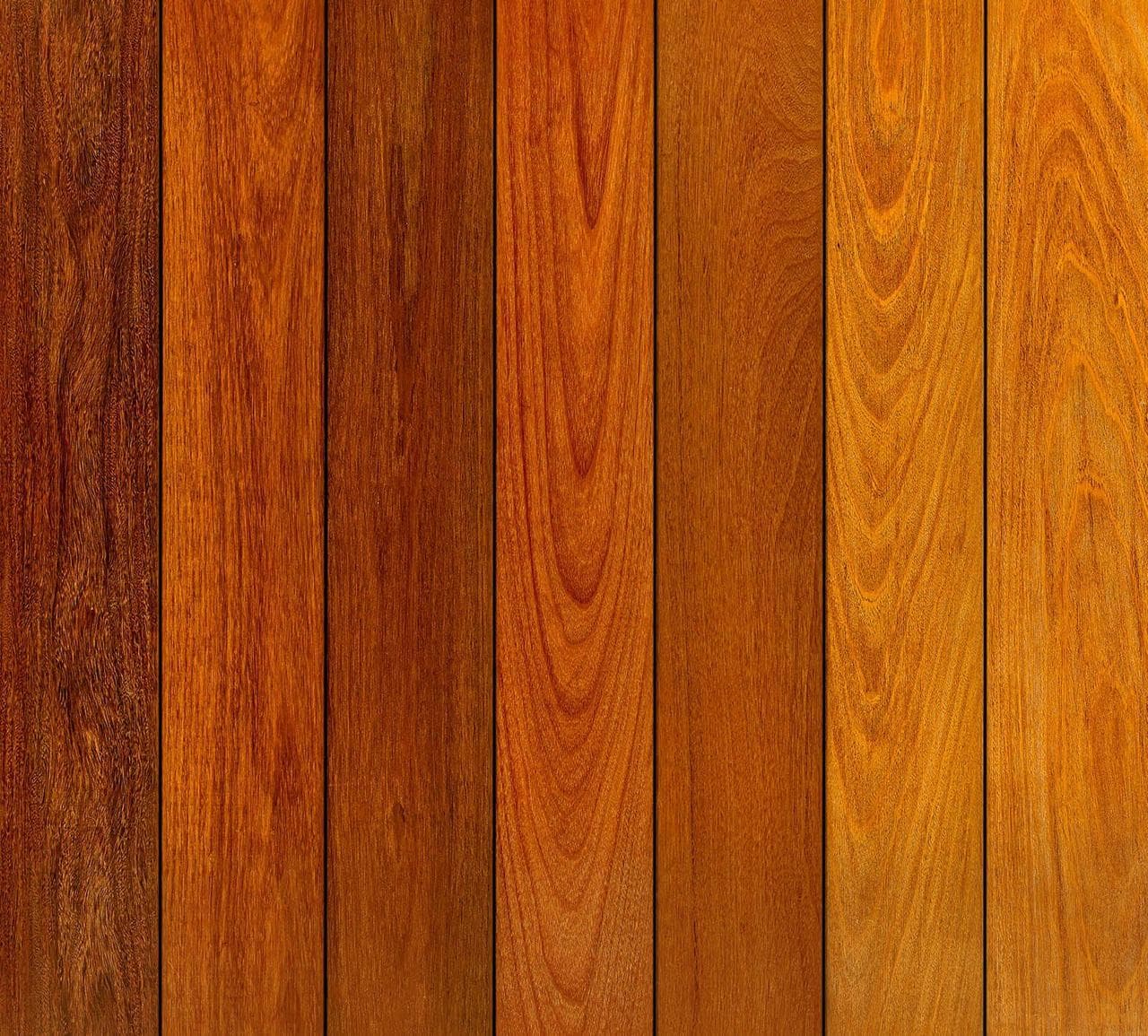
Ipe wood exhibits a rich color range, from reddish-brown to olive-brown, often featuring a bold grain pattern that can impart a luxurious appearance. When left untreated, Ipe will naturally weather to a silvery-gray patina over time. Applying a UV-blocking sealer can help preserve its original color if desired. Its natural variations in color and grain mean each board is unique, contributing to a distinctive deck.
Trex decking is available in a variety of colors and finishes, designed to mimic the look of different wood species. The consistency of composite boards means a more uniform appearance across the deck. While engineered for color retention, the aesthetic is a manufactured wood look rather than the organic variations found in natural timber.
Installation Considerations
Ipe is a very dense hardwood, which requires specialized tools and techniques for installation. It is generally recommended that Ipe be pre-drilled for fasteners to prevent splitting. Proper ventilation beneath the deck is important for Ipe to ensure its longevity and stability. Professional installation is often recommended due to its density and specific handling requirements.
Trex composite decking typically features consistent dimensions and can be installed using standard decking tools. Many Trex lines offer hidden fastening systems that create a smooth, fastener-free surface. While easier to cut and fasten than Ipe, proper joist spacing and installation guidelines are still crucial to ensure the deck performs as intended.
Maintenance and Care
Ipe wood is considered low maintenance. If its natural reddish-brown to olive-brown color is preferred, occasional cleaning and application of a UV-blocking oil or sealer are recommended. If the silvery-gray patina is desired, only periodic cleaning to remove dirt and debris is generally needed. Ipe's natural oils help protect it from cracking or warping, reducing the need for extensive chemical treatments.
Trex decking is engineered for minimal maintenance. It does not require staining, sanding, or painting. Routine cleaning with soap and water is usually sufficient to remove dirt and maintain its appearance. While resistant to mold and mildew, occasional cleaning may be necessary in damp or shaded areas to prevent surface growth.
Project Example: A 12x16 Foot Deck
Consider a hypothetical 12-foot by 16-foot deck project, totaling 192 square feet. The choice between Ipe and Trex will impact the material takeoff and subsequent project planning.
For Ipe decking, using 5/4" x 6" (nominal) boards, which typically have an actual dimension closer to 1" x 5.5", you would need approximately 420 linear feet of decking per 100 square feet, accounting for typical waste and cutting. For a 192 square foot deck, this translates to about 806 linear feet. These boards are available in lengths from 3 to 24 feet. Your cutting plan would aim to minimize waste, utilizing shorter lengths for ends or picture-frame borders. Additionally, Ipe will require stainless steel fasteners and potentially specialized cutting tools.
For Trex decking, using a similar 5/4" x 6" profile, the linear footage requirement would be comparable. Trex boards are often available in standard lengths such as 12, 16, or 20 feet. The material might be easier to cut and install with common tools. If using a hidden fastener system, you would also need to account for the clips and screws in your material order. The project would also need to consider the specific substructure requirements for both materials, though the main differences will be in the decking surface itself.
This example highlights that while the surface area is constant, the specific properties of Ipe (density, fastening) and Trex (composition, fastener systems) influence the tools, labor, and exact material components required for successful installation.
Before you order
- Consider the desired aesthetic: Natural wood grain and color variation (Ipe) vs. consistent, manufactured appearance (Trex).
- Evaluate long-term maintenance commitment: Periodic oiling/sealing (Ipe) vs. routine cleaning (Trex).
- Assess installation complexity: Specialized tools and professional installation often recommended for Ipe due to density; standard tools for Trex.
- Review budget: Initial material cost vs. long-term maintenance costs.
- Understand weathering: Ipe patinas to silver-gray if untreated; Trex designed for color retention.
- Verify fastening preferences: Face-fastened or specific hidden systems for Ipe; various hidden or visible options for Trex.
- Consider environmental impact: Sustainably sourced natural hardwood (Ipe) vs. recycled content composite (Trex).
Confirm installation details, approved uses and warranty terms in the current instructions for the exact product and profile. Your installer should verify the substrate, structure and applicable project requirements.
Questions to help you decide
Does Ipe wood require sealing?
Ipe wood does not strictly require sealing for durability, as its natural oils provide resistance to rot and insects. However, if you wish to maintain its original rich reddish-brown to olive-brown color, applying a UV-blocking sealer or oil periodically is recommended. If left untreated, Ipe will naturally weather to an elegant silvery-gray patina.
Can Ipe and Trex decking be installed on the same substructure?
While both Ipe and Trex can be installed on a standard wood or steel substructure, specific installation requirements differ. Ipe's density often necessitates pre-drilling and specific fasteners, while Trex may have particular joist spacing or hidden fastener system needs. Always consult the manufacturer's installation guides for the exact product you choose to ensure compatibility and proper assembly.
What are the common dimensions available for Ipe decking?
Ipe decking is commonly available in various profiles and sizes, including nominal dimensions like 1"x4", 1"x6", 5/4"x4", and 5/4"x6". Actual dimensions are typically slightly smaller. Lengths commonly range from 3 feet to 24 feet. Always confirm the exact profile and length availability for your project when requesting a quote.
Ready to Plan Your Decking Project?
Whether you choose the natural beauty of Ipe hardwood or the consistent performance of Trex composite, Lumber Plus can help you select the right materials. Request a material quote today with your project dimensions, exact profile preferences, and ZIP code to confirm current availability and service options. Visit our Ipe Decking product page for more details: https://www.lumberplus.com/decking/hardwood/ipe. Explore other decking options including: Decking, Hardwood Decking, Composite Decking, PVC Decking.
Request a material quote →