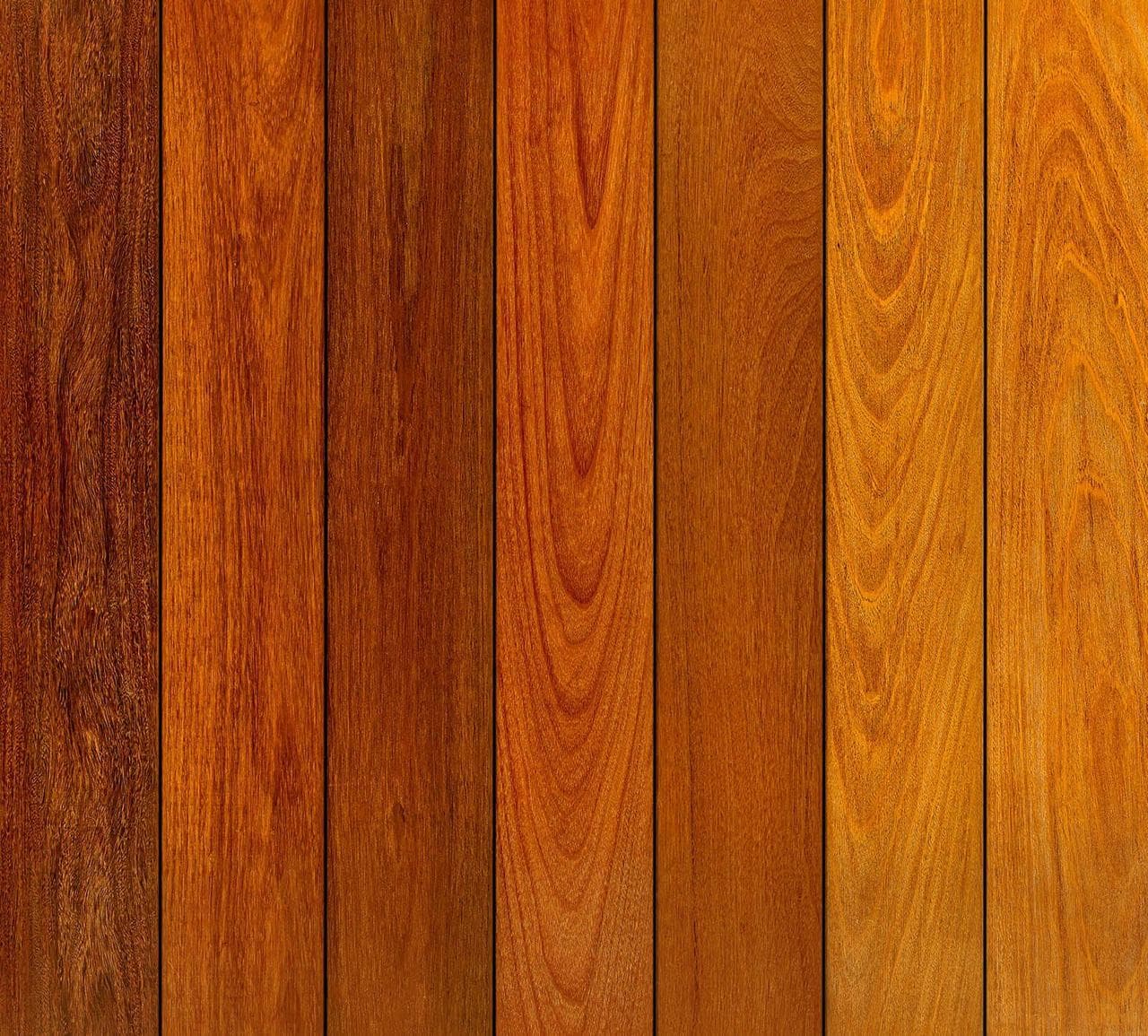
Ipe: Bold Grain, Deep Hues, and Proven Durability
Ipe, often known as Brazilian walnut, is a dense hardwood originating from South America. It is characterized by its deep, rich reddish-brown to olive-brown tones. The grain of Ipe is typically straight, offering a sophisticated, uniform appearance that can impart a sense of understated luxury to a deck.
Beyond its visual appeal, Ipe is known for its durability. It has a high density and natural resistance to common outdoor challenges such as rot, insects, and mold. These inherent properties contribute to its longevity in outdoor environments. Ipe is available in a range of profiles and sizes, including dimensions from 1x2 inches through 6x6 inches, and lengths from 3 to 24 feet, allowing for versatile design applications.
When left untreated, Ipe will naturally weather to a silvery-gray patina. For those who prefer to maintain its original rich color, a UV-blocking sealer can be applied periodically.
Tigerwood: Striking Stripes and Distinctive Character
Tigerwood, also known as Goncalo Alves, is celebrated for its distinctive striped appearance, which gives it its common name. Its background color ranges from light golden-brown to a darker reddish-brown, dramatically contrasted by irregular, dark brown to black stripes. This striking pattern makes Tigerwood a focal point in any design, offering a unique, exotic aesthetic that can add visual interest to a deck.
Like Ipe, Tigerwood is a dense and durable hardwood, suitable for outdoor use. Its natural hardness and resistance to decay and insect infestation contribute to its performance as a decking material. The strong character of Tigerwood's grain makes it a choice for projects where a visually dynamic surface is desired.
Aesthetic Comparison: Grain, Color, and Visual Impact
The primary distinction between Ipe and Tigerwood lies in their aesthetic. Ipe offers a more uniform, refined look with subtle grain patterns and consistent color tones ranging from reddish to olive-brown. It provides a classic, elegant foundation that can complement various architectural styles.
Tigerwood, in contrast, delivers a bold visual statement with its pronounced dark stripes against a lighter background. This creates a more dramatic and exotic appearance. The choice between the two often comes down to the desired visual impact: whether you seek a subtle elegance or a striking, patterned surface.
Consider how each material's appearance will interact with your home's exterior, landscaping, and outdoor furniture. Samples of both hardwoods can provide a clearer understanding of how they look in natural light.
Performance and Durability: Similar Strengths, Subtle Differences
Both Ipe and Tigerwood are highly durable hardwoods well-suited for decking. They share natural resistance to rot, insects, and mold, making them robust choices for outdoor applications. Both woods are dense and provide good stability when properly installed.
Ipe is renowned for its exceptional density and minimal movement after installation, contributing to its long-term stability. Its natural oils further protect it from cracking or warping due to moisture exposure. Tigerwood also exhibits good stability and durability, performing well in diverse climates.
The maintenance requirements for both are similar: they can be left to weather to a silver-gray patina, or their original color can be preserved with a UV-blocking sealer and regular cleaning. The choice between them based purely on performance often comes down to specific project specifications and regional climate considerations, which should be discussed with a professional.
Planning Your Deck: A Hypothetical Project Example
Consider a hypothetical 12-foot by 16-foot deck (192 square feet) for a home with a contemporary design. The homeowner wants a material that will last and offer a distinct look. The deck will utilize 1x6 inch decking boards.
If choosing Ipe, the homeowner values its consistent, deep reddish-brown color and fine, straight grain, which aligns with the minimalist aesthetic of the home. The Ipe boards would be cut to length to minimize seams and create a continuous visual flow. For a 12x16 foot deck, using 16-foot boards for the longer dimension would mean 12-foot sections would need two 6-foot boards or a single 12-foot board. If 16-foot Ipe boards are available, approximately 192 linear feet of 1x6 boards would be needed for each foot of deck width (12 feet * 12 inches/foot / 5.5 inch board width = ~26 boards per 16-foot length). For a 16-foot length, this would be 26 boards * 16 feet = 416 linear feet. This is a basic area-equivalent calculation; actual purchase quantity will depend on available lengths, cut plans, and waste factors.
If choosing Tigerwood, the homeowner would be drawn to its dramatic, contrasting stripes, which would become a striking design element. The pattern of Tigerwood could be accentuated by a diagonal layout, though this typically increases material waste. For a straight layout, the same linear footage calculation applies, but the visual effect would be entirely different. The strong character of Tigerwood might influence other design choices, such as furniture or railing styles, to ensure a cohesive look.
In both cases, ensuring adequate ventilation beneath the deck and proper fastening is crucial for the longevity of the hardwood. Professional installation is recommended for both dense hardwoods due to specialized tools and techniques required.
Before you order
- Desired Aesthetic: Do you prefer the uniform elegance of Ipe or the bold stripes of Tigerwood?
- Color Preference: Deep reddish-brown to olive-brown (Ipe) or golden-brown with dark stripes (Tigerwood)?
- Architectural Style: Which wood best complements your home's design?
- Maintenance Expectation: Will you allow it to weather naturally or maintain the original color with a sealer?
- Budget Considerations: Obtain quotes for both materials based on your project dimensions.
- Installation Complexity: Both are dense hardwoods requiring specific tools and techniques.
- Availability: Confirm the availability of desired profiles and lengths for both Ipe and Tigerwood.
Confirm installation details, approved uses and warranty terms in the current instructions for the exact product and profile. Your installer should verify the substrate, structure and applicable project requirements.
Questions to help you decide
What is the main visual difference between Ipe and Tigerwood?
Ipe typically features a more uniform, fine grain with consistent reddish-brown to olive-brown colors. Tigerwood is known for its distinctive dark, irregular stripes against a lighter golden-brown background, creating a more dramatic, patterned appearance.
Are Ipe and Tigerwood equally durable for outdoor use?
Both Ipe and Tigerwood are highly durable hardwoods suitable for decking, offering natural resistance to rot, insects, and mold. Ipe is known for its exceptional density and stability, while Tigerwood also performs well in outdoor conditions. The choice often comes down to aesthetic preference rather than a significant difference in long-term performance.
How do I maintain the original color of Ipe or Tigerwood?
Both hardwoods will naturally weather to a silvery-gray patina if left untreated. To preserve their original color, apply a UV-blocking sealer periodically. Regular cleaning also helps maintain their appearance.
Ready to Plan Your Decking Project?
Request a material quote for Ipe or Tigerwood decking. Provide your project dimensions, desired profile (e.g., 1x6, 5/4x6), and ZIP code to confirm current availability and service options.
Request a material quote →