Understanding Ipe Decking
Ipe wood, also known as Brazilian Walnut (Handroanthus spp.), is a dense, durable hardwood native to South America. It is highly regarded for its natural strength and resilience, making it a premier choice for outdoor decking and other projects requiring longevity.
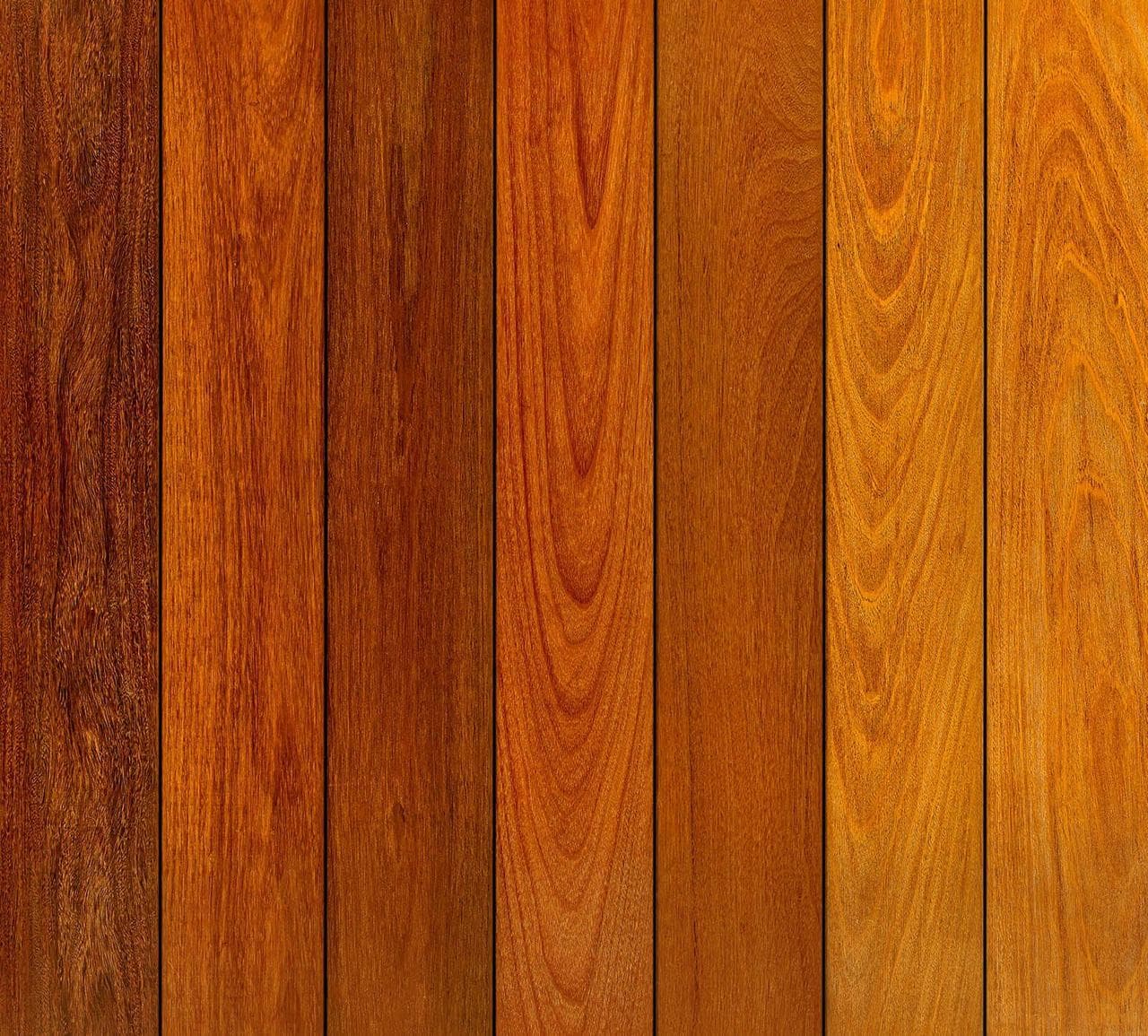
Ipe lumber typically ranges in color from reddish-brown to olive-brown, offering a rich, natural aesthetic. A key advantage of Ipe is its minimal movement post-installation, coupled with natural resistance to weather changes, mold, and termites. This inherent durability means Ipe requires minimal chemical treatments to protect it.
With proper care, Ipe decking can maintain its integrity for an extended period. It is also known for its resistance to warping after moisture exposure, with natural oils that help protect it from cracking. For those seeking a material that can withstand significant environmental exposure while offering a luxurious appearance, Ipe is a strong candidate.
Ipe is available in a variety of profiles and sizes, commonly ranging from 1"x2" through 6"x6" dimensions and lengths from 3 to 24 feet. It can be supplied as air-dried (AD) or kiln-dried (KD) material, depending on the specific product and supplier.
Understanding Thermally Modified Wood Decking
Thermally modified wood (TMW) undergoes a high-temperature treatment process that alters the wood's cellular structure. This modification process aims to enhance the wood's stability, durability, and resistance to decay and insects. Unlike Ipe, which is naturally resistant, TMW achieves these properties through an engineered process.
The thermal modification process typically involves heating wood to high temperatures (often between 320°F and 450°F) in the absence of oxygen to prevent combustion. This process reduces the wood's hygroscopicity (its tendency to absorb moisture), making it more stable and less prone to swelling and shrinking in response to humidity changes. It also makes the wood less appealing to insects and fungi.
Thermally modified wood often exhibits a darker, more uniform color throughout its thickness, resembling some tropical hardwoods. This color change is a result of the heat treatment. While TMW offers improved stability and resistance, it is generally less dense and hard than Ipe. This can influence its resistance to impacts and wear, which is a consideration for high-traffic areas.
The specific species of wood used for thermal modification varies, but common choices include readily available softwoods and hardwoods such as pine, spruce, ash, and poplar. The performance characteristics of TMW can vary depending on the original wood species and the specific modification process used.
Key Differences: Ipe vs. Thermally Modified Wood
The primary distinction lies in their origin and how they achieve their performance characteristics. Ipe is a naturally dense tropical hardwood with inherent resistance to decay, insects, and moisture. Thermally modified wood, on the other hand, is typically a domestic or European wood species that has been enhanced through a heat treatment process to improve these properties.
In terms of density and hardness, Ipe generally surpasses thermally modified woods. While thermal modification improves the hardness of softer woods, they typically do not reach the same level of density or impact resistance as Ipe.
Aesthetically, Ipe offers a distinct reddish-brown to olive-brown color that can be maintained with UV-blocking sealers or allowed to weather to a silvery-gray patina. Thermally modified wood often has a more consistent, darker brown tone throughout, which can also weather to gray if left untreated. The grain patterns will differ significantly, reflecting the original species.
For applications requiring the highest level of natural durability and resistance to heavy use, Ipe often stands out. For projects where enhanced stability and decay resistance are prioritized in a lighter-weight material or a more uniform color, thermally modified wood can be a suitable option.
Project Suitability: When to Choose Which Material
**Choose Ipe for:**
Projects demanding the highest level of natural durability, such as high-traffic commercial decks, boardwalks, or residential decks in challenging climates. Its natural resistance to rot, insects, and weathering makes it suitable for applications where minimal chemical treatment is desired. Ipe's density also makes it highly resistant to scratches and dents, which is beneficial for areas with heavy furniture or frequent activity.
**Choose Thermally Modified Wood for:**
Projects where enhanced dimensional stability and resistance to decay are important, but the extreme hardness of Ipe might not be strictly necessary. It can be a good choice for residential decks, siding, or outdoor furniture where a consistent, darker aesthetic is desired and a balance between performance and workability is sought. TMW can be easier to cut and fasten than Ipe due to its lower density.
Consider the specific environmental conditions of your project. For coastal areas with salt spray or regions with extreme temperature fluctuations, Ipe's natural resilience may offer a more robust solution. For more moderate climates where enhanced stability is key, thermally modified wood can perform well.
Worked Example: A 200 sq ft Residential Deck
Let's consider a hypothetical 200 square foot residential deck (e.g., 10 ft by 20 ft) that will serve as a primary outdoor living space, exposed to direct sunlight and occasional entertaining. The homeowner desires a long-lasting deck with a rich, natural appearance.
**Option 1: Ipe Decking**
Choosing Ipe would provide exceptional durability and resistance to the elements. For a 200 sq ft deck, assuming 1x6 (nominal) Ipe boards, a common choice for decking, you would need approximately 400 linear feet of 1x6 Ipe (allowing for cuts and waste). The Ipe would offer its signature reddish-brown to olive-brown tones, which could be maintained with a UV-blocking oil or allowed to naturally weather to silver. The density of Ipe means it will resist scratches from moving furniture or pet claws. Installation would require specialized tools due to its hardness, such as carbide-tipped saw blades and pre-drilling for fasteners.
**Option 2: Thermally Modified Ash Decking**
If using a thermally modified ash decking, for example, the same 200 sq ft would require a similar quantity of linear footage. Thermally modified ash would offer excellent dimensional stability, reducing concerns about warping or cupping. Its color would likely be a consistent, darker brown throughout. While still durable, it would not match Ipe's extreme hardness, potentially showing more wear in very high-traffic areas. Installation would be somewhat easier than Ipe, as the wood is less dense, though specific fastening guidelines for TMW should be followed.
The choice here depends on the homeowner's priorities: for maximum natural hardness and a classic tropical hardwood look that can withstand decades of heavy use, Ipe is preferred. For enhanced stability in a domestic wood, a uniform darker appearance, and slightly easier installation, thermally modified ash could be the choice.
Maintenance and Longevity
Both Ipe and thermally modified wood offer good longevity, but their maintenance requirements differ slightly.
Ipe wood is known for its low maintenance. If left untreated, it will naturally weather to a silvery-gray patina, a process that does not compromise its structural integrity. To preserve its original reddish-brown to olive-brown color, regular application of a UV-blocking oil is recommended, typically once or twice a year depending on exposure. Occasional cleaning to remove dirt and mildew is also beneficial. With proper care, Ipe decking can last for many decades.
Thermally modified wood also offers good resistance to decay and insects, contributing to its longevity. Like Ipe, it will weather to a gray color if left untreated. To maintain its darker, richer tones, a UV-protective finish would be needed, though the frequency might vary based on the specific product and exposure. General cleaning to prevent surface buildup is also part of its maintenance. The lifespan of thermally modified wood can be substantial, often exceeding that of untreated conventional woods, though typically not reaching the same extreme estimates as Ipe.
The decision often comes down to the desired aesthetic and the willingness to perform routine finishing tasks to maintain a specific color. Both materials are designed for outdoor use and offer a durable alternative to many traditional decking options.
Before you order
- Desired Aesthetic: Do you prefer Ipe's natural reddish-brown to olive-brown tones or the consistent darker brown of thermally modified wood?
- Hardness and Impact Resistance: Is the highest level of hardness and resistance to scratches/dents critical for your project?
- Dimensional Stability: Is minimizing swelling and shrinking due to moisture a top priority?
- Installation Considerations: Are you prepared for the specialized tools and techniques required for denser hardwoods like Ipe?
- Maintenance Preference: Do you plan to regularly oil the deck to preserve its original color, or are you comfortable with a natural gray patina?
- Project Environment: Will the deck face extreme weather conditions, heavy foot traffic, or unique environmental challenges?
- Budget: How does the initial material cost and potential installation complexity align with your project budget?
Confirm installation details, approved uses and warranty terms in the current instructions for the exact product and profile. Your installer should verify the substrate, structure and applicable project requirements.
Questions to help you decide
Can Ipe and thermally modified wood be used for other outdoor applications besides decking?
Yes, both materials are versatile for outdoor use. Ipe is also excellent for siding, fencing, outdoor furniture, and even marine applications due to its exceptional durability and water resistance. Thermally modified wood is also commonly used for siding, fencing, pergolas, and outdoor furniture, offering enhanced stability and decay resistance for these applications.
How do Ipe and thermally modified wood react to fasteners?
Ipe's extreme density requires pre-drilling for virtually all fasteners to prevent splitting and ensure proper seating. Stainless steel fasteners are recommended to prevent staining and ensure long-term integrity. Thermally modified wood, being less dense, often requires pre-drilling as well, but it is generally easier to work with than Ipe. Specific fastener recommendations will vary by the type of thermally modified wood and manufacturer.
What happens if I don't apply a finish to either Ipe or thermally modified wood?
If left untreated, both Ipe and thermally modified wood will naturally weather to a silvery-gray patina over time due to UV exposure. This process does not typically compromise their structural integrity or durability. The choice to finish or not is primarily aesthetic; a finish helps maintain the original color and can offer additional surface protection.
Ready to Plan Your Decking Project?
Request a material quote today with your project dimensions, desired profile, and ZIP code to confirm current availability and service options. Our team can help you compare Ipe and thermally modified wood for your specific needs.
Request a material quote →