Material Composition and Durability
Ipe, also known as Brazilian Walnut, is a dense, natural hardwood sourced from South America. It is prized for its inherent strength and resistance to rot, insects, and decay, which contributes to its long-term performance in outdoor environments. Its natural oils also help protect it from cracking or warping due to moisture exposure.
PVC decking, or polyvinyl chloride, is a synthetic material. It is engineered for outdoor use, offering resistance to moisture, insects, and mold. Unlike wood, PVC is a uniform product, meaning its characteristics are consistent throughout each board.
When considering durability, Ipe is known for its structural integrity and ability to withstand heavy use over decades. PVC decking is also durable, designed to resist common outdoor stressors without splintering or rotting. The choice often comes down to a preference for natural wood's organic resilience versus engineered material's consistent performance.
Appearance and Aesthetics
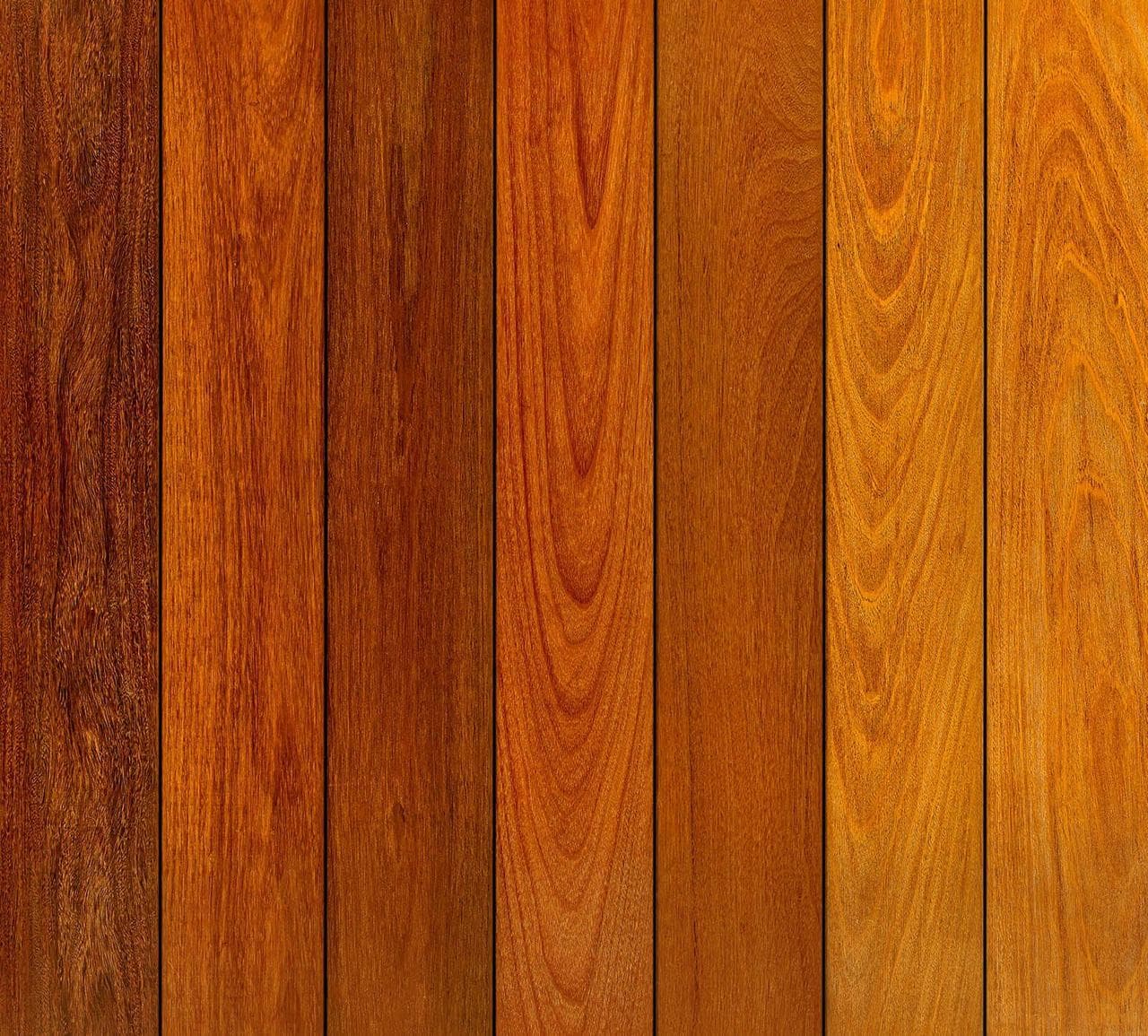
Ipe wood typically exhibits a rich color range from reddish-brown to olive-brown, showcasing a distinct grain pattern that adds natural character to a deck. If left untreated, Ipe will weather to a silvery-gray patina over time. Regular application of a UV-blocking sealer can help preserve its original color.
PVC decking is manufactured in a variety of colors and often includes embossed textures designed to mimic wood grain. The color of PVC decking is consistent throughout the material and is generally designed to resist fading. However, it does not offer the unique, natural variations found in real wood.
The aesthetic choice between Ipe and PVC often reflects a preference for natural beauty versus manufactured consistency. Ipe offers an organic, evolving appearance, while PVC provides a uniform look that remains stable over time.
Installation Considerations
Ipe is a dense material, which means it requires specific tools and techniques for installation. Pre-drilling is typically necessary for fasteners, and specialized cutting blades are recommended. Proper ventilation beneath an Ipe deck is important to allow for air circulation and minimize moisture retention.
PVC decking is generally lighter and can be easier to cut and install than Ipe. It often utilizes hidden fastening systems that create a clean, fastener-free surface. While PVC does not require pre-drilling in the same way Ipe does, manufacturers' guidelines for spacing and fastening should be strictly followed to allow for thermal expansion and contraction.
For both materials, ensuring a solid, level substructure is crucial. The weight of Ipe can be a factor for existing structures, while PVC's thermal movement needs careful planning. Professional installation is recommended for both, especially for Ipe, due to its density and specific handling requirements.
Maintenance and Longevity
Ipe wood is considered low-maintenance. To maintain its original reddish-brown to olive-brown color, periodic cleaning and application of a UV-blocking oil or sealer are recommended. If left untreated, Ipe will naturally weather to a silver-gray patina. Its natural resistance to rot and insects means it does not require chemical treatments for protection.
PVC decking requires minimal maintenance, typically involving routine cleaning with soap and water to remove dirt and grime. It does not require staining, sealing, or painting. PVC is designed to resist mold and mildew, though surface cleaning may still be necessary to remove any accumulated debris.
The longevity of both materials is significant, but their maintenance needs differ. Ipe offers the option of retaining its original color with consistent care or embracing a natural weathered look. PVC provides a consistent appearance with less hands-on maintenance.
Cost Implications
The initial material cost for Ipe decking is typically higher than that of PVC decking. This reflects the natural origin, density, and durability of the hardwood.
PVC decking often has a lower upfront material cost compared to Ipe. Its low-maintenance requirements can also lead to lower ongoing costs in terms of sealers or stains. When evaluating cost, consider both the initial purchase and the expenses associated with installation and long-term care for each material.
Project budgeting should account for not only the decking material but also fasteners, substructure components, and labor costs. Due to Ipe's density, installation labor might be higher. For PVC, specialized fasteners may add to the material cost.
Before you order
- Desired aesthetic: Natural wood grain and color variation (Ipe) or consistent, uniform appearance (PVC)?
- Maintenance commitment: Willingness to periodically oil/seal for color retention (Ipe) or preference for minimal cleaning (PVC)?
- Installation complexity: Account for Ipe's density and pre-drilling needs, or PVC's thermal expansion and specific fastening systems.
- Budget: Compare initial material costs and long-term ownership costs, including maintenance products.
- Project environment: Consider sun exposure, moisture levels, and potential for heavy traffic.
- Substructure compatibility: Ensure the existing or planned substructure can support the chosen material's weight and fastening requirements.
Confirm installation details, approved uses and warranty terms in the current instructions for the exact product and profile. Your installer should verify the substrate, structure and applicable project requirements.
Questions to help you decide
Can Ipe and PVC decking be combined in one project?
While it's technically possible, it's generally not recommended to combine Ipe and PVC decking on the same surface area of a deck. Their different material properties, expansion rates, and fastening requirements can lead to complications. For design accents, such as railings or trim, it might be feasible, but careful planning and consultation with a professional are essential to ensure compatibility and a cohesive appearance.
Does Ipe decking require a specific type of substructure compared to PVC?
Both Ipe and PVC decking require a robust and properly spaced substructure. However, Ipe's significant density means the substructure must be capable of supporting its weight. Always consult the manufacturer's installation guidelines for the specific product you choose.
How does extreme heat or cold affect Ipe versus PVC decking?
Ipe hardwood is highly resistant to weather changes, and its natural oils protect it from cracking or warping due to temperature fluctuations. It performs well in various climates. PVC decking is also designed for outdoor use and resists moisture and temperature extremes. However, PVC materials can expand and contract more noticeably with temperature changes, which is why proper gapping and fastening during installation are critical to prevent buckling or warping.
Ready to Plan Your Decking Project?
Request a material quote with your project dimensions, exact profile, and ZIP code to confirm current availability and service options for Ipe or PVC decking.
Request a material quote →