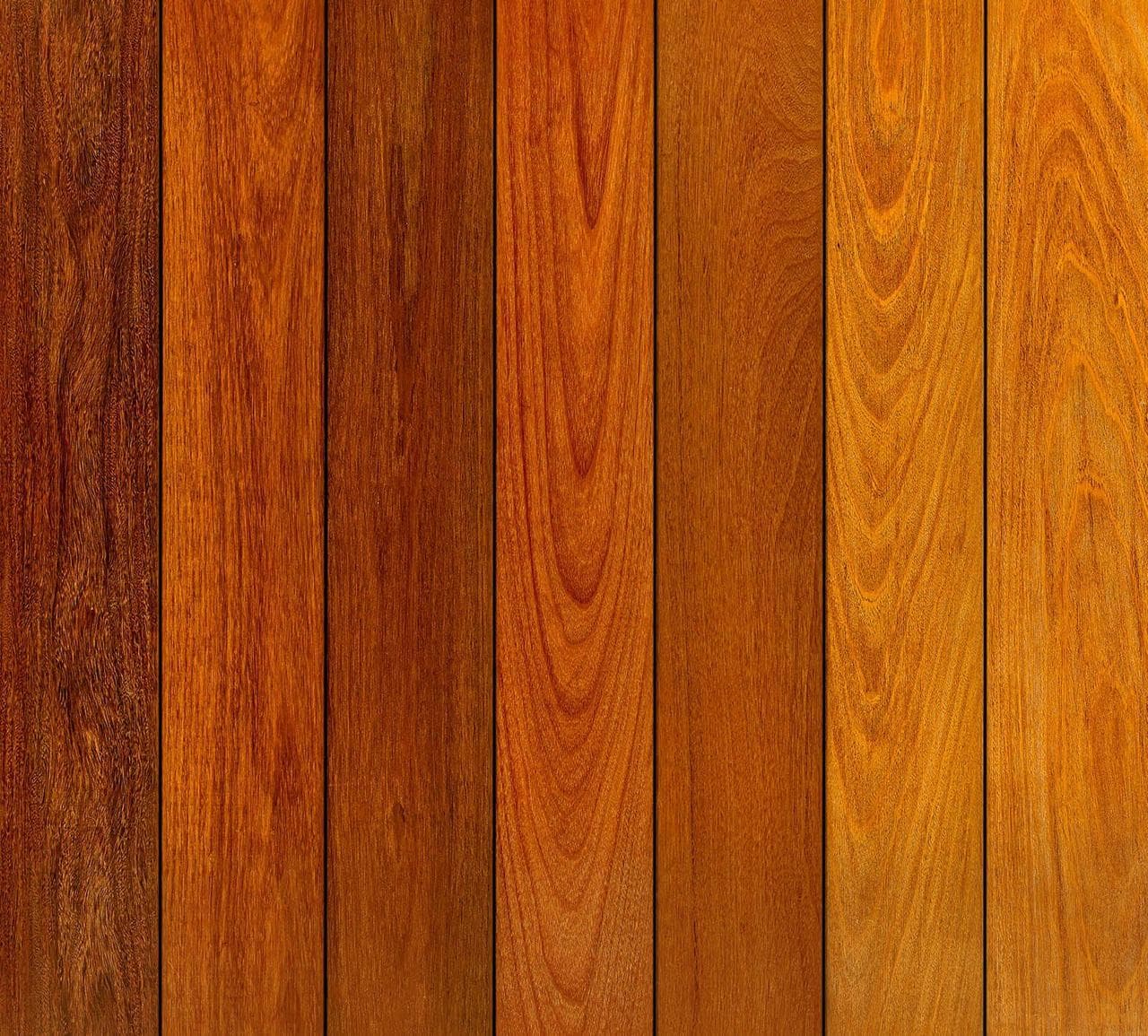
Appearance and Color Characteristics
Ipe wood, also known as Brazilian walnut, typically presents a rich spectrum of reddish-brown to olive-brown tones. This color range offers a sophisticated look that can enhance various architectural styles. Over time, if left untreated, Ipe will naturally weather to a silvery-gray patina, a process many homeowners find appealing for its aged, natural aesthetic. If the goal is to maintain its initial rich color, regular application of a UV-blocking sealer is recommended.
Cumaru, often called Brazilian Teak, generally exhibits a lighter, golden-brown to reddish-brown hue. It tends to have a more pronounced grain pattern compared to Ipe, which can add a distinct character to the deck surface. Like Ipe, Cumaru will also weather to a silver-gray if not regularly maintained with a UV-protective finish. The choice between these two often depends on whether you prefer the deeper, more subtle tones of Ipe or the warmer, more varied appearance of Cumaru.
Durability and Hardness
Both Ipe and Cumaru are renowned for their exceptional durability, making them suitable for demanding outdoor applications. Ipe is widely recognized for its density and hardness. It is naturally resistant to rot, insects, and mold, and exhibits minimal movement after installation. These properties contribute to its long-term performance in various climates.
Cumaru is also a very hard and dense wood, sharing many of Ipe's natural resistances to decay and insects. While both are robust, the specific Janka hardness ratings indicate Ipe often has a higher density, which can translate to slightly better resistance against dents and scratches in high-traffic areas. For a deck intended for heavy use, such as the 12-foot by 20-foot entertaining space, the inherent density of both woods offers a reliable, long-lasting surface.
Installation Considerations
Due to their density, both Ipe and Cumaru require specialized tools and techniques for installation. Pre-drilling pilot holes is essential for fasteners to prevent splitting, and carbide-tipped saw blades are necessary for cutting. Professional installation is often recommended to ensure proper handling and assembly, which is critical for the longevity of the deck. For the hypothetical 12-foot by 20-foot deck, an experienced installer will understand how to work with these hardwoods to achieve a secure and aesthetically pleasing finish.
Board spacing is another important consideration. Hardwoods like Ipe and Cumaru can exhibit slight expansion and contraction with changes in humidity. Following manufacturer guidelines for board spacing is important for proper drainage and air circulation, especially in outdoor environments. This attention to detail during installation helps prevent issues like moisture retention and warping over time.
Ownership and Maintenance Tasks
Both Ipe and Cumaru are considered low-maintenance hardwoods, but their appearance can be managed through specific care routines. To preserve the original reddish-brown to olive-brown color of Ipe, occasional cleaning and the application of a UV-blocking sealer are recommended. If left untreated, Ipe will naturally weather to a silver-gray patina. This weathered look is often chosen for its low-maintenance appeal.
Similarly, Cumaru can be maintained with cleaning and sealing to retain its golden-brown to reddish-brown hues, or it can be allowed to weather to a silver-gray. The frequency of maintenance will depend on local climate conditions and personal preference for the deck's appearance. For a 12-foot by 20-foot deck, planning for these periodic tasks is part of the long-term ownership of either material. Regular removal of debris and occasional washing can help prevent mildew buildup and keep the surface clean.
Cost Considerations
Generally, Ipe is positioned at a higher price point compared to Cumaru, reflecting its reputation for supreme hardness and aesthetic qualities. While Cumaru offers similar durability, its cost-effectiveness can make it an attractive alternative for projects where budget is a significant factor, without compromising substantially on performance. For the 12-foot by 20-foot deck, the initial material cost will be a primary difference between the two, though installation costs for both dense hardwoods will be comparable due to similar labor and tool requirements.
When evaluating costs, consider the long-term value. Both woods offer exceptional longevity, which can offset initial material costs over decades. The decision may come down to the specific visual preference and how much the subtle differences in color, grain, and density align with your project's overall vision and budget.
Before you order
- What is the desired initial color and grain pattern for the deck?
- Do you prefer the deck to maintain its original color or weather to a silver-gray patina?
- How important is maximum resistance to dents and scratches for the planned use?
- What is the total project budget, and how does the material cost of Ipe compare to Cumaru for the required quantity?
- Are you comfortable with the ownership tasks, such as periodic cleaning and sealing, required to maintain the desired appearance?
- Have you consulted with an installer experienced in working with dense hardwoods like Ipe and Cumaru?
Confirm installation details, approved uses and warranty terms in the current instructions for the exact product and profile. Your installer should verify the substrate, structure and applicable project requirements.
Questions to help you decide
What is the main visual difference between Ipe and Cumaru?
Ipe typically features deeper reddish-brown to olive-brown tones with a more subtle grain, while Cumaru tends to be lighter, in golden-brown to reddish-brown hues, often with a more pronounced grain pattern.
Do Ipe and Cumaru require similar installation methods?
Yes, both Ipe and Cumaru are dense hardwoods that require similar installation techniques, including pre-drilling for fasteners and using carbide-tipped saw blades. Professional installation is generally recommended for both.
Will Ipe and Cumaru both weather to a gray color?
Yes, if left untreated and exposed to the elements, both Ipe and Cumaru will naturally weather to a silvery-gray patina over time. To maintain their original color, periodic application of a UV-blocking sealant is necessary.
Ready to Plan Your Hardwood Deck?
Request a material quote for Ipe or Cumaru decking. Provide your project dimensions, desired profile, and ZIP code to confirm current availability and service options.
Request a material quote →