Understanding Ipe's Characteristics for Storage
Ipe wood, also known as Brazilian walnut, is a dense hardwood originating from South America. Its natural properties, including high density and natural oils, contribute to its resistance to weather changes, mold, and termites. These characteristics, while beneficial for its installed lifespan, also inform how it should be stored.
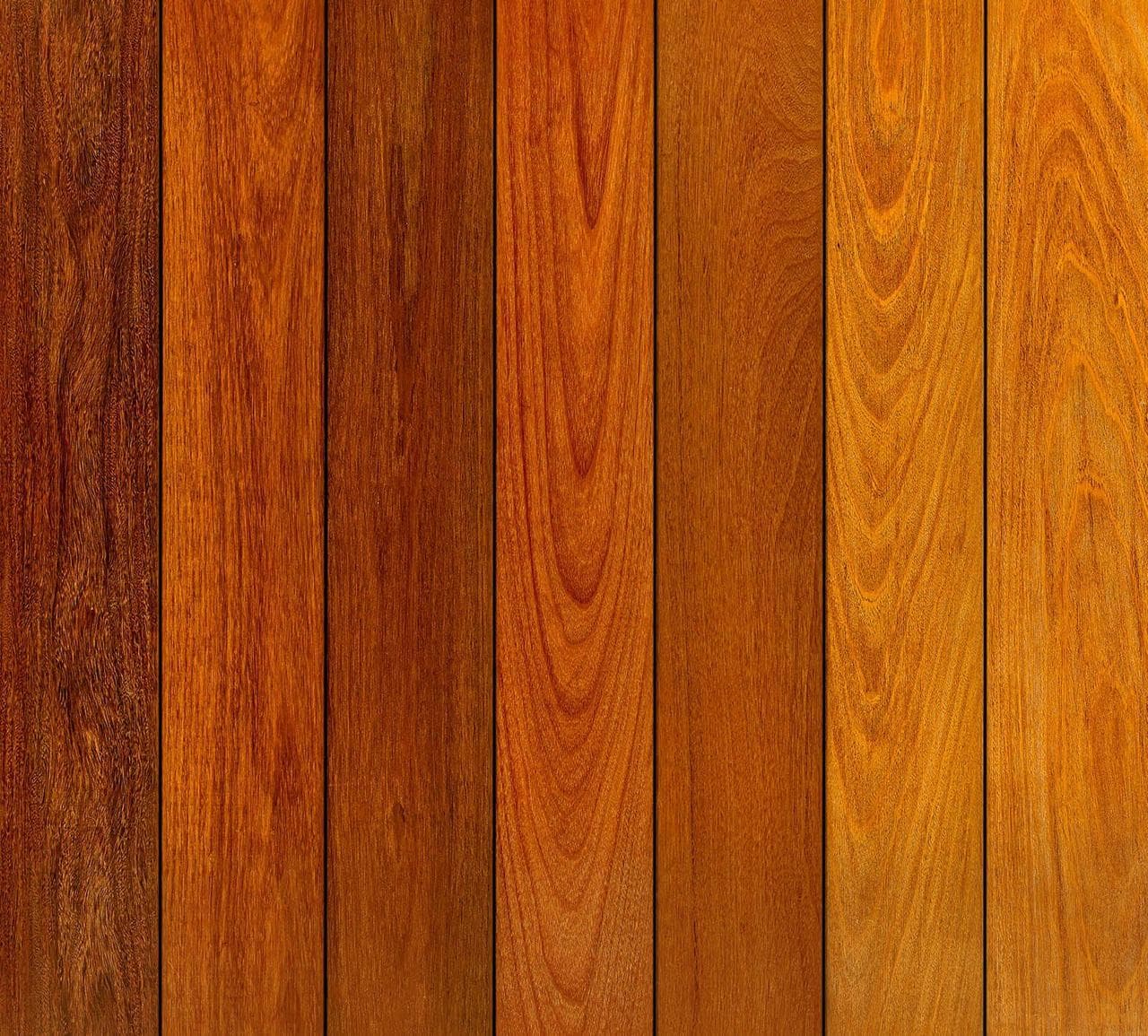
Ipe's air-dry density is approximately 5.75 lbs/bf, making individual boards substantial in weight. This density means it holds its form well, but improper storage can still lead to movement, particularly if exposed to inconsistent moisture or direct sunlight. The wood's natural color ranges from reddish-brown to olive-brown, and protecting this appearance during storage is important, especially if a consistent color is desired for the finished deck.
Site Preparation and Location Selection
Before your Ipe decking arrives, select a storage location that is dry, level, and offers protection from direct sunlight and precipitation. An ideal spot would be indoors, such as a garage or a covered area on the job site. If indoor storage is not feasible, a temporary shelter can be constructed using tarps or a temporary roof structure.
Ensure the ground beneath the storage area is clear of debris, standing water, and vegetation. A level surface prevents boards from bowing or twisting under their own weight. Elevating the decking off the ground is essential to promote air circulation and prevent moisture absorption from the soil. Use sturdy blocking, such as concrete blocks or treated lumber, placed at regular intervals.
Proper Stacking for Air Circulation and Stability
Proper stacking is crucial for Ipe decking. Boards should be stacked flat, with spacers (stickers) placed between each layer to allow for air circulation. These stickers should be uniform in thickness and aligned vertically from one layer to the next to prevent bowing and ensure even support.
A common practice is to use stickers roughly 3/4 inch to 1 inch thick, placed every 16 to 24 inches along the length of the boards. This setup prevents moisture from wicking into the bottom boards and allows for consistent air movement around all surfaces.
This consistent spacing helps distribute weight evenly and minimizes the risk of individual boards sagging or warping.
Protection from Environmental Exposure
Even though Ipe is naturally weather-resistant, it should be protected from direct sun and heavy rain during storage. Prolonged exposure to UV rays can cause the wood to begin weathering to a silvery-gray patina prematurely. While some projects may embrace this look, it's generally best to control this process until installation.
Cover the stacked decking with a waterproof tarp, but ensure the tarp does not completely seal the stack. Allow for air movement by leaving the ends or sides slightly open, or by placing small blocks under the tarp to create a gap. This prevents condensation buildup, which can lead to mold or mildew, even on Ipe. If the decking is stored outdoors, consider a second, lighter covering to diffuse sunlight while still allowing some air exchange.
Acclimation Considerations
Ipe decking, like other natural wood products, needs time to acclimate to the local environment's temperature and humidity conditions before installation. Acclimation helps the wood stabilize to its installed moisture content, reducing the likelihood of excessive movement after the deck is built.
While specific acclimation periods can vary based on local climate and product specifications, a general recommendation is to allow the decking to sit on site for at least 7 to 14 days prior to installation. During this period, maintain the recommended storage conditions, including good ventilation and protection from direct weather. Consult your installer for precise guidance on acclimation requirements for your specific project.
Worked Example: Storing Ipe for a 10x12 Foot Deck
Consider a hypothetical 10x12 foot deck project requiring Ipe decking boards, primarily in 12-foot lengths. Assuming an order of 25 boards, each 12 feet long and 5.5 inches wide, the total volume is significant.
First, select a sheltered, level area. Lay down three 4x4 treated lumber beams as sleepers, running perpendicular to where the Ipe boards will be stacked. Space these sleepers evenly, approximately 4 feet apart, to support the 12-foot boards. Elevate these sleepers on concrete blocks to keep them off the ground.
Next, begin stacking the Ipe boards. Place 3/4-inch thick stickers every 24 inches along the length of the boards. For a 12-foot board, this means placing stickers at roughly 1 foot, 3 feet, 5 feet, 7 feet, 9 feet, and 11 feet from one end. Align each sticker directly above the sticker in the layer below. Once all boards are stacked, cover the pile loosely with a waterproof tarp, ensuring airflow at the ends to prevent moisture buildup. Allow this stack to acclimate for at least two weeks before beginning installation.
Before you order
- Is the storage area dry and level?
- Is the decking protected from direct sunlight and precipitation?
- Are boards elevated off the ground by at least 6-12 inches?
- Are uniform stickers placed between each layer for ventilation?
- Are stickers aligned vertically throughout the stack?
- Is there adequate air circulation around the entire stack?
- Is the storage area secure from theft or accidental damage?
- Has an acclimation period of 7-14 days been planned before installation?
Confirm installation details, approved uses and warranty terms in the current instructions for the exact product and profile. Your installer should verify the substrate, structure and applicable project requirements.
Questions to help you decide
Why is proper storage so important for Ipe decking?
Proper storage prevents issues like warping, checking, and discoloration that can occur if Ipe decking is exposed to inconsistent moisture, direct sunlight, or improper stacking. It ensures the material remains stable and ready for installation, contributing to the longevity and appearance of your finished deck.
Can I store Ipe decking directly on the ground?
No, Ipe decking should never be stored directly on the ground. This can lead to moisture absorption, mold growth, and uneven drying, which can cause boards to warp or twist. Always elevate the stack using sturdy blocking to allow for air circulation underneath.
How long should Ipe decking acclimate on site?
While specific acclimation periods can vary, a general recommendation for Ipe decking is to allow it to acclimate on site for at least 7 to 14 days prior to installation. This helps the wood adjust to the local temperature and humidity, minimizing movement after installation. Always consult your installer for precise recommendations based on your project and climate.
Request a Material Quote for Your Ipe Decking Project
Ready to plan your Ipe decking project? Contact us for a material quote. Provide your project dimensions, desired Ipe profile, and ZIP code to confirm current availability and service options for your renovation site. Our team can help you select the right materials and understand delivery logistics.
Request a material quote →