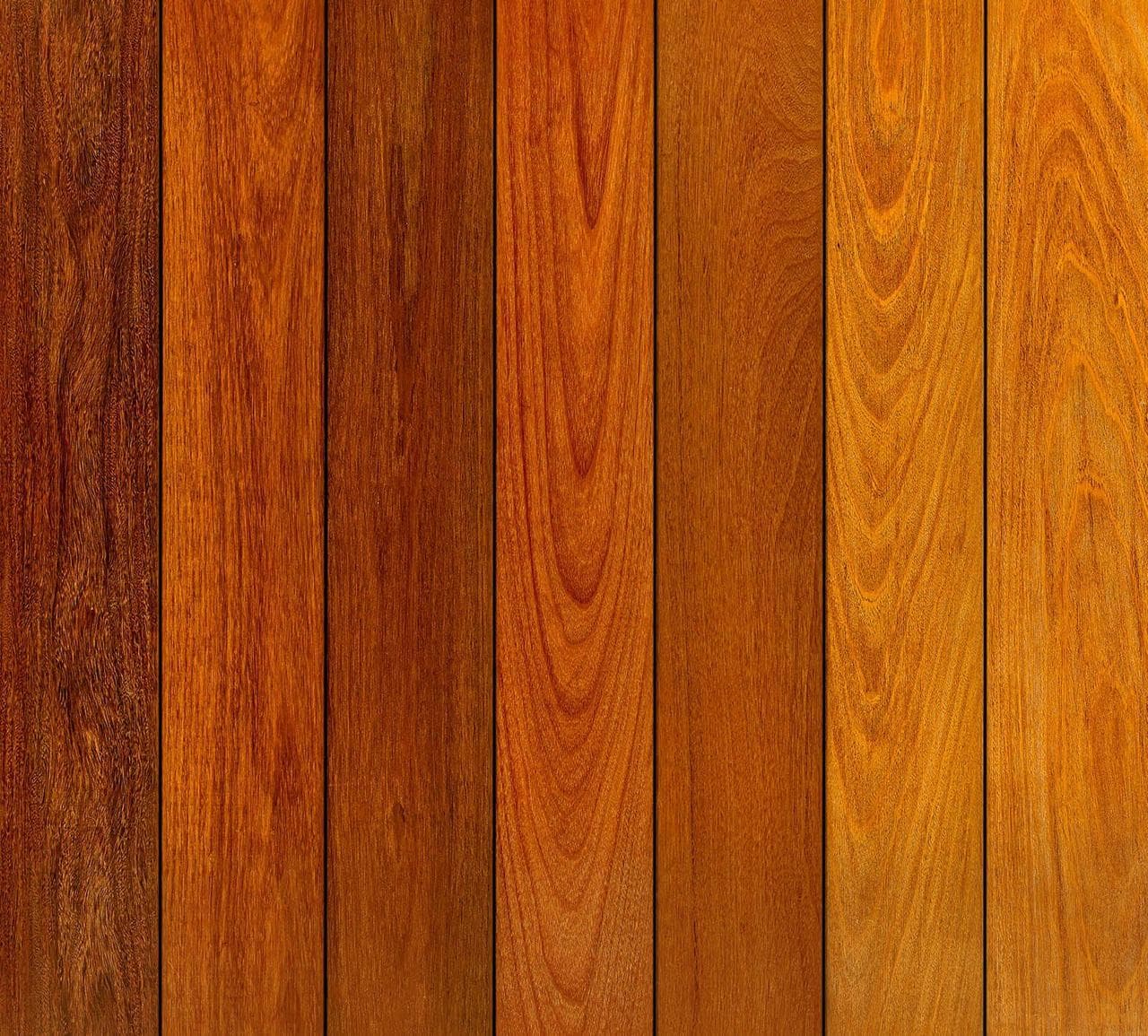
Why Stainless Steel for Ipe Decking?
Ipe (Handroanthus spp.), also known as Brazilian Walnut, is a dense, durable hardwood widely chosen for outdoor decking. Its natural resistance to rot, insects, and decay contributes to its long lifespan. However, this density also means it is a challenging material for fasteners. Common galvanized or coated screws may not hold up over time due to Ipe's natural tannins and the harsh outdoor elements.
Stainless steel is resistant to corrosion, rust, and staining, making it an ideal partner for Ipe. It minimizes the risk of unsightly black stains that can occur when Ipe's natural extracts react with certain metals. The inherent strength of stainless steel also provides the necessary holding power in dense Ipe boards, contributing to the deck's structural stability.
Understanding Stainless Steel Alloys: 305, 316, and 304
Stainless steel is categorized by its alloy composition. For outdoor decking, the most common types are 305, 316, and 304. Each offers different levels of corrosion resistance and strength.
Stainless Steel 305: This alloy is a good general-purpose option for many outdoor applications. It offers adequate corrosion resistance for environments without significant salt exposure.
Stainless Steel 316: Often referred to as "marine grade" stainless steel, 316 contains molybdenum, which significantly enhances its resistance to chlorides, making it suitable for coastal areas, poolside decks, or any location where salt spray or chlorine exposure is a concern. For Ipe decking in such environments, 316 is generally recommended.
Stainless Steel 304: While 304 stainless steel is widely used for many applications, its lower resistance to chlorides makes it less suitable for Ipe decking, especially in coastal or chemically treated environments. For general applications away from salt or chemicals, 305 is often a more cost-effective and appropriate choice for Ipe.
Fastener Types for Ipe Decking
When installing Ipe decking, you typically choose between face-fastening and hidden fastening systems. The type of fastener impacts both the appearance and the installation process.
Face Fasteners: These are screws driven through the face of the deck board into the joist. For Ipe, pre-drilling pilot holes is essential due to its density. Specialized decking screws designed for hardwoods, often with self-tapping tips and reverse threads, can help create a clean finish. Stainless steel face screws are available in various head types, such as trim head or bugle head, which can be countersunk and often plugged with matching Ipe wood plugs for a clean look.
Hidden Fasteners: These systems secure the deck boards without visible fasteners on the surface. They typically involve clips that fit into grooves on the side of the deck board, attaching to the joist. While hidden fasteners offer a clean aesthetic, it is important to verify their compatibility with Ipe's density and the specific installation method. Many hidden fastener systems require grooved Ipe boards, or a separate tool to route the grooves on site.
Sizing and Quantity Considerations
The length of the fastener is critical for adequate hold. Always consult the specific fastener manufacturer's recommendations and local building codes.
To estimate quantity, calculate the total linear feet of decking and the number of joists each board will span. Hidden fastener systems will have their own specific quantity requirements per square foot or linear foot of decking.
Worked Example: Fastener Calculation for a Small Ipe Deck
We are planning a face-fastened installation.
Deck Area: 10 ft x 12 ft = 120 square feet.
Number of Boards (approximate): 120 sq ft / (5.5 inches / 12 inches/ft) = 120 / 0.458 = approximately 262 linear feet of Ipe boards. If using 12-foot boards, this means roughly 22 boards (262 / 12).
You would likely purchase a box of 400 or 500 count, depending on packaging.
This example assumes simple geometry and consistent board lengths. For real projects, detailed measurements and a cut plan are essential.
Before you order
- Verify the project location: Is it coastal, near a pool, or subject to high moisture?
- Confirm the desired aesthetic: Visible fasteners (face-fastened) or a clean surface (hidden fasteners)?
- Check Ipe board profile: Are boards grooved for hidden fasteners or square-edge for face-fastening?
- Select the appropriate stainless steel alloy: 316 for marine/chlorine, 305 for general outdoor.
- Plan for pre-drilling: Essential for Ipe's density, regardless of fastener type.
- Consider matching plugs: If face-fastening and countersinking, plan for Ipe plugs.
- Review manufacturer instructions: Always follow the specific guidance for both Ipe and the chosen fasteners.
Confirm installation details, approved uses and warranty terms in the current instructions for the exact product and profile. Your installer should verify the substrate, structure and applicable project requirements.
Questions to help you decide
What happens if I use non-stainless steel fasteners with Ipe?
Using non-stainless steel fasteners with Ipe can lead to several problems. The natural tannins in Ipe can react with non-stainless metals, causing black stains around the fastener points. Additionally, these fasteners are more prone to corrosion, which can weaken their hold and compromise the structural integrity of your deck over time. This can lead to loose boards or fastener failure.
Is pre-drilling necessary for Ipe decking with stainless steel fasteners?
Yes, pre-drilling is essential when installing Ipe decking, even with stainless steel fasteners. Ipe is an exceptionally dense hardwood, and attempting to drive screws without pilot holes can cause the wood to split, the screw heads to strip, or the fasteners to bend. Pre-drilling ensures a clean entry point and a secure fit, protecting both the wood and the fastener.
Can I use the same stainless steel fasteners for both my Ipe deck boards and the substructure?
While stainless steel fasteners are excellent for Ipe deck boards, the requirements for substructure fasteners can differ. Substructure components often involve larger timbers and different load-bearing considerations. Consult local building codes and the substructure material manufacturer's recommendations for appropriate fasteners. For general outdoor use, 305 or 316 stainless steel is typically recommended for substructure connections where corrosion resistance is critical, but specific structural connectors may have unique material requirements.
Request a Material Quote for Your Ipe Decking Project
Ready to build your Ipe deck? Provide your project dimensions, desired Ipe profile, and ZIP code to receive a material quote. We can also help confirm current availability and service options for your location.
Request a material quote →