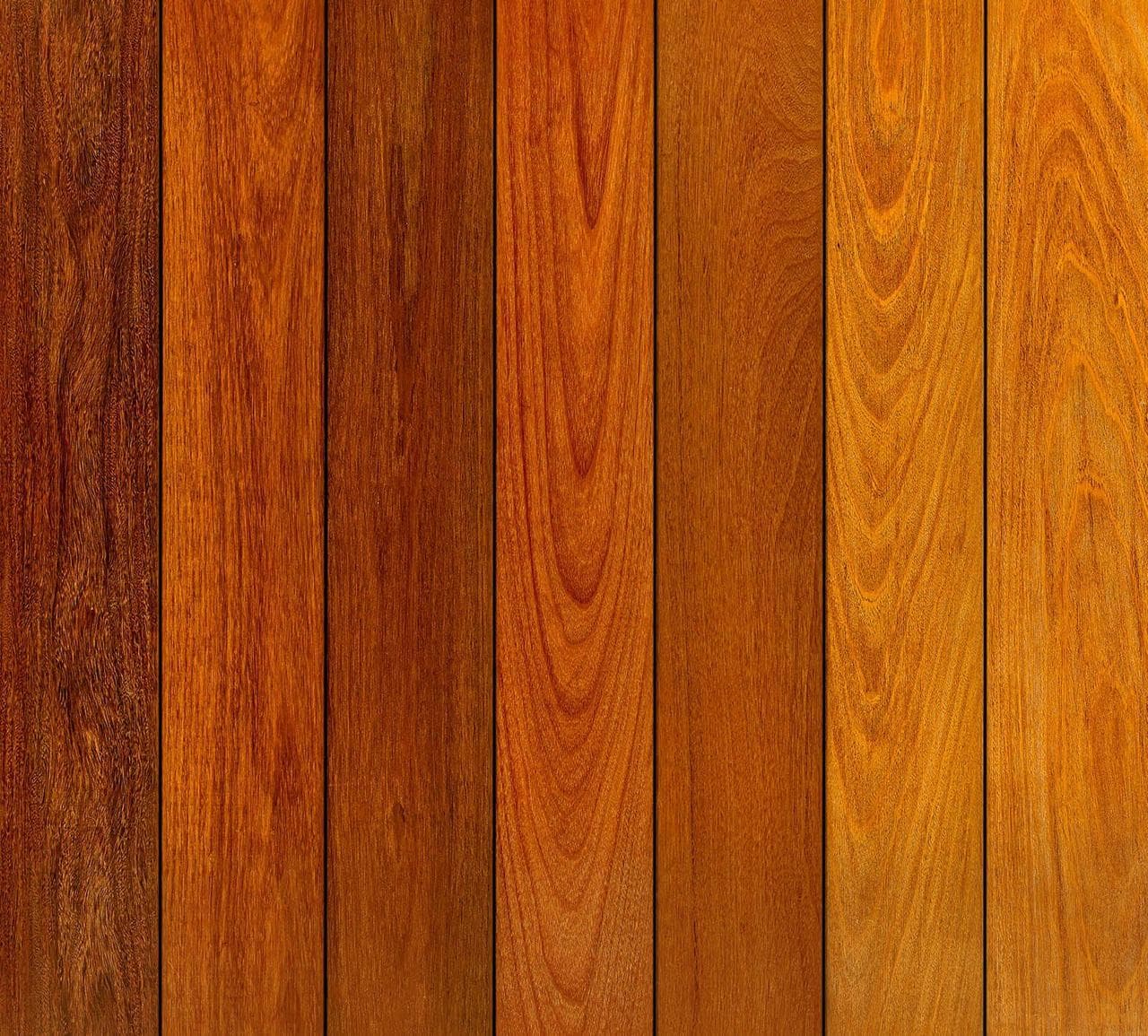
The Unique Characteristics of Ipe Wood
Ipe, also known as Brazilian walnut, is a dense, durable hardwood native to South America. It is prized for its longevity and resilience in outdoor applications.
The natural color of Ipe ranges from reddish-brown to olive-brown. This inherent variation means that no two boards are exactly alike, contributing to the unique character of a finished deck. The grain is typically fine to medium, often interlocked, which adds to its strength and distinct appearance. These natural variations are part of Ipe's appeal, offering a rich, organic aesthetic that evolves over time.
Ipe wood exhibits minimal movement post-installation and offers natural resistance to weather changes, mold, and termites. This makes it a benchmark hardwood for demanding outdoor projects. While samples provide a glimpse into these qualities, the full extent of Ipe's beauty and durability becomes apparent in a larger installation.
Source: S1
Scale: From Sample to Sprawling Deck
A small Ipe sample typically offers a limited view of the wood's color, grain pattern, and texture. When you transition from a 12-inch sample to a deck spanning hundreds of square feet, the visual effect changes dramatically.
On a larger scale, the subtle variations in color and grain across multiple boards blend together, creating a cohesive yet dynamic surface. What might appear as a distinct stripe or knot in a small sample can become a minor detail within the broader pattern of a full deck. This blending effect often results in a richer, more complex visual texture than a single sample can suggest. Consider how light will interact with the entire surface, highlighting different aspects of the wood's character.
Source: S1, S2
Batch Variation and Natural Color Range
Ipe, like all natural wood products, can exhibit variations in color and grain from one batch of lumber to another. While suppliers strive for consistency, factors such as the specific growing region, age of the tree, and even the milling process can influence the final appearance of the boards. Ipe's color spectrum includes reddish-brown to olive-brown tones.
When you receive your order, you might notice slight differences between individual boards or between your sample and the delivered material. This is a natural characteristic of Ipe and contributes to the authentic, non-uniform look of a natural wood deck. It is recommended to unbundle and arrange boards before installation to achieve a balanced distribution of color and grain across your project.
Source: S1
The Impact of Lighting and Environment
The perceived color and appearance of Ipe wood are significantly affected by lighting conditions. A sample viewed indoors under artificial light will look different than the same wood installed outdoors under direct sunlight, in shade, or on a cloudy day.
Natural light, especially direct sunlight, can enhance the warm tones of Ipe and bring out the depth of its grain. Shaded areas might make the wood appear darker or cooler. The surrounding environment, including landscaping, house color, and nearby structures, can also reflect light onto the deck, subtly altering its appearance.
Consider how your deck will be used throughout the day and in different seasons. The Ipe will naturally weather to a silvery-gray patina if left untreated, or it can maintain its original reddish-brown to olive-brown tones with the application of a UV-blocking sealer. This choice will also impact its long-term appearance.
Source: S1
A Hypothetical Project: Visualizing Ipe on a 10x12 Foot Deck
Imagine you are planning a 10-foot by 12-foot Ipe deck, a total of 120 square feet. You've received a 1x6 Ipe decking sample, approximately 12 inches long, showcasing a rich reddish-brown tone with a subtle grain.
For a 12-foot length, you'd need 12-foot boards. If using 8-foot boards, you'd need cuts and seams. Let's assume you're using mostly 12-foot lengths for a seamless look.
The small sample, while helpful for initial color and texture, cannot fully represent the expansive nature of these 22 boards. On your finished deck, the individual reddish-brown to olive-brown boards will blend, creating a variegated surface that appears more dynamic and less uniform than the single sample. The sunlight hitting the wide planks will highlight the natural luster and subtle variations, giving the deck a deeper, more luxurious feel than a small piece could ever convey. The overall impression will be one of robust, natural beauty, far grander than any single sample suggests.
Source: S1
Complementary products: Consider using compatible stainless steel fasteners for Ipe decking: [https://www.lumberplus.com/fasteners/decking/stainless-steel-screws], or a recommended Ipe specific finish: [https://www.lumberplus.com/finishes/hardwood-oil].
Setting Realistic Expectations for Your Ipe Project
To minimize surprises and ensure satisfaction with your Ipe decking project, consider these steps:
1. **Request Multiple Samples:** If possible, ask for several samples to see the range of color and grain within Ipe. This provides a better understanding of natural variations.
2. **View Samples in Project Location:** Take your samples outside to the intended deck area. Observe them at different times of day and under various lighting conditions (sunlight, shade) to see how the light interacts with the wood.
3. **Consult Project Photos:** Reviewing a variety of completed Ipe decking projects can help you visualize the material on a larger scale. Pay attention to how the color and grain appear in different settings and finishes.
4. **Understand Finishing Options:** Decide whether you prefer Ipe to weather naturally to a silver-gray or if you intend to apply a UV-blocking finish to maintain its original rich tones. This choice significantly impacts the long-term appearance.
5. **Plan for Acclimation:** Allow Ipe boards to acclimate to your local climate conditions on-site before installation. This helps the wood stabilize and reduces the potential for movement after installation.
Source: S1
Before you order
- Have I viewed Ipe samples in the actual project location and under various lighting conditions?
- Do I understand the natural color and grain variations inherent in Ipe wood?
- Have I considered the long-term appearance of Ipe, whether weathered or oiled?
- Am I prepared for potential batch variations between my sample and the delivered lumber?
- Have I reviewed examples of completed Ipe projects to understand the material's appearance on a larger scale?
- Have I confirmed the recommended installation methods and spacing for Ipe decking?
- Have I accounted for the acclimation period needed for Ipe before installation?
Confirm installation details, approved uses and warranty terms in the current instructions for the exact product and profile. Your installer should verify the substrate, structure and applicable project requirements.
Questions to help you decide
Why does my Ipe sample look different from project photos?
Ipe samples offer a small glimpse of the wood. Project photos show the material on a larger scale, where natural color variations across multiple boards blend together. Lighting conditions, finishing choices, and the specific batch of lumber also influence the final appearance. Natural light, especially, significantly impacts how the wood's tones and grain are perceived.
Will all my Ipe decking boards be exactly the same color?
No, Ipe wood exhibits natural variations in color, ranging from reddish-brown to olive-brown, and in grain patterns. This is a characteristic of natural wood and contributes to the unique, organic aesthetic of a finished deck. Slight differences between individual boards or between different batches are normal and expected.
How can I ensure my finished Ipe deck matches my expectations?
To set realistic expectations, view multiple Ipe samples, if possible, and observe them in the actual project location under different lighting conditions. Review various completed project photos to understand the material on a larger scale. Discuss your desired aesthetic with your installer and consider whether you plan to let the Ipe weather naturally or apply a UV-blocking finish to maintain its initial color.
Ready to Plan Your Ipe Decking Project?
Request a material quote with your project dimensions, desired Ipe profile, and ZIP code to confirm current availability and service options. Our team can help you select the right Ipe for your vision.
Request a material quote →