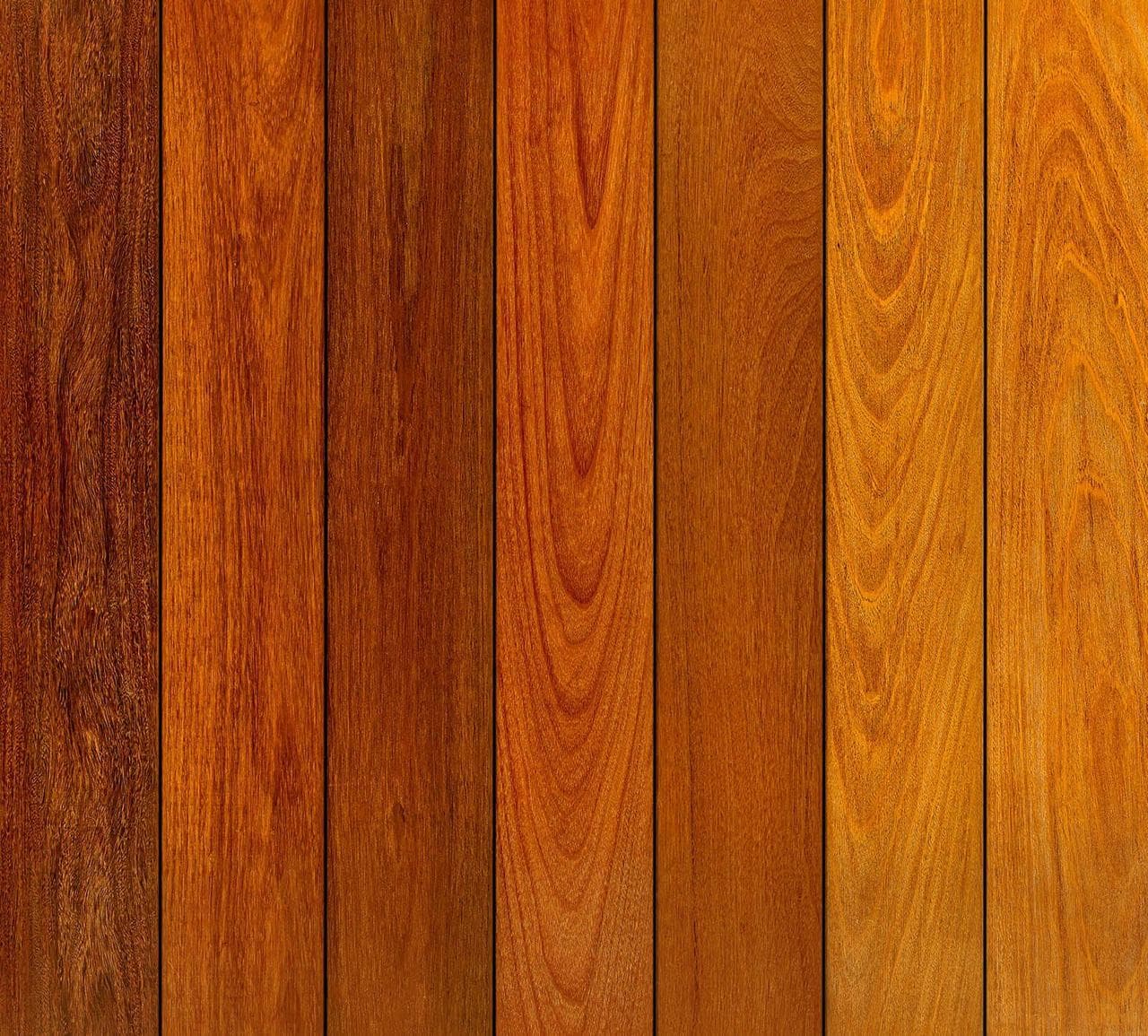
Understanding Ipe's Natural Characteristics
Ipe wood exhibits a range of natural characteristics that contribute to its unique beauty. Its color can vary from reddish-brown to a darker olive-brown, sometimes with subtle streaking. The grain pattern can be straight, interlocked, or wavy, creating visual interest. These variations are part of Ipe's appeal, but understanding them is key to managing expectations and planning a consistent layout. While Ipe is known for its minimal movement post-installation, its density means it's a material that requires specific handling and fastening techniques.
The wood's natural oils provide resistance to rot, insects, and mold, contributing to its exceptional lifespan. When left untreated, Ipe will naturally weather to a silvery-gray patina. If you prefer to maintain its original rich color, a UV-blocking sealer can be applied. Knowing these inherent qualities helps in making decisions about both initial layout and long-term maintenance.
Evaluating Ipe Board Profiles and Dimensions
Ipe decking is available in various profiles and dimensions, which directly impact the visual flow and structural integrity of your deck. Common profiles include square-edge boards for face-fastening and grooved boards designed for hidden fastener systems. The choice between these affects both the aesthetic of the deck surface and the installation method.
Dimensions can range significantly, with common widths such as 1x4, 1x6, 5/4x4, and 5/4x6, and lengths typically available from 3 to 24 feet. Selecting consistent dimensions is crucial for a uniform appearance and to simplify installation. For instance, using all 1x6 boards across your main deck surface creates a classic, linear look, while mixing widths can introduce a more custom, patterned effect. Always confirm the exact dimensions of the boards you intend to purchase, as nominal sizes can differ from actual measurements.
Planning for Color and Grain Consistency
Achieving a consistent visual layout with Ipe requires thoughtful planning regarding color and grain. While Ipe offers a beautiful spectrum of reddish-brown to olive-brown, significant differences between individual boards can create a patchy appearance if not managed. Before installation, it is recommended to lay out boards dry, without fasteners, to arrange them in a way that blends the natural variations. This allows you to distribute boards with similar tones or grain patterns across the deck, or to intentionally create subtle transitions.
Consider the overall light exposure of your deck. Areas that receive more direct sunlight may weather differently than shaded areas over time. Planning the layout with this in mind can help create a more naturally integrated look as the deck ages. If you plan to apply a UV-blocking sealer, this can help unify the initial color, but natural variations in grain will still be present.
Worked Example: Designing a 10x12 Foot Deck with Ipe
Let's consider a hypothetical 10-foot by 12-foot deck using 1x6 Ipe decking boards. For a clean, linear appearance, we'll run the boards parallel to the 10-foot dimension, meaning each board will be 10 feet long. The actual width of a 1x6 board is typically closer to 5.5 inches. To cover the 12-foot length, we need to calculate the number of boards.
12 feet = 144 inches. Each board is 5.5 inches wide. 144 inches / 5.5 inches per board = approximately 26.18 boards. If you choose to use longer boards and cut them, or if your design includes a picture frame border, the calculation would adjust. Always factor in waste for cuts and potential offcuts that might not be reusable for the main deck surface. For this example, ordering 27 pieces of 10-foot long 1x6 Ipe boards would be a starting point. This calculation provides the area equivalent; always confirm cut plans and purchase full modules.
Considering Board Lengths and Seams
The available lengths of Ipe boards (typically 3 to 24 feet) offer flexibility in design but also require careful planning for seams. For a seamless look, especially on smaller decks, selecting boards that span the entire length or width of the deck can minimize the need for butt joints. When seams are unavoidable, staggering them across the deck creates a more robust and visually appealing pattern, avoiding a single line of joints that could draw unwanted attention.
When planning seam placement, consider the structural support underneath. Joints should always fall directly over a joist or blocking to ensure stability. This attention to detail in length selection and seam placement contributes significantly to the overall consistency and finished quality of your Ipe deck.
Before you order
- Confirm the actual dimensions (width and thickness) of your chosen Ipe boards.
- Determine the primary direction of your decking boards (e.g., parallel to the house, diagonal).
- Calculate the total number of boards needed, factoring in waste for cuts and potential offcuts.
- Plan for seam placement, ensuring joints fall over structural supports and are staggered.
- Consider how natural color and grain variations will be managed during installation (e.g., dry-laying boards).
- Decide between square-edge or grooved profiles based on your fastening preference (face-fasten vs. hidden fasteners).
- Account for any special design elements like picture frame borders or stairs that may require different board lengths or profiles.
Confirm installation details, approved uses and warranty terms in the current instructions for the exact product and profile. Your installer should verify the substrate, structure and applicable project requirements.
Questions to help you decide
How do I minimize color variation in my Ipe deck?
Ipe naturally has some color variation from reddish-brown to olive-brown. To minimize the appearance of stark differences, dry-lay your boards before fastening them. This allows you to arrange boards with similar tones together or to distribute different shades evenly across the deck for a blended look. Applying a UV-blocking sealer can also help to unify the initial color and maintain it over time.
Are longer Ipe boards always better for a consistent look?
Longer Ipe boards can reduce the number of seams, which often contributes to a more consistent and uninterrupted visual layout, especially on smaller to medium-sized decks. However, longer boards can be more challenging to transport and install. For larger decks, strategically planned and staggered seams are common and can create a visually appealing pattern. The 'best' length depends on your specific project dimensions and installation preferences.
What is the difference between square-edge and grooved Ipe boards?
Square-edge Ipe boards have straight, un-milled edges and are typically installed using face-fasteners, where screws are driven through the face of the board into the joist. Grooved Ipe boards have a channel routed along their sides, designed to work with hidden fastener systems that clip into the grooves, leaving the deck surface free of visible fasteners. The choice impacts both the installation method and the finished aesthetic of your deck.
Ready to Plan Your Ipe Deck?
Request a material quote with your project dimensions, exact profile, and ZIP code to confirm current availability and service options for Ipe decking. Explore our full range of Ipe products here: [Ipe Decking](/decking/hardwood/ipe), and consider complementary materials like other [Hardwood Decking](/decking/hardwood), [Composite Decking](/decking/composite), or [PVC Decking](/decking/pvc).
Request a material quote →