Understanding Ipe's Botanical Identity and Origin
Ipe is a common name used for several species of trees. When discussing origin, it is helpful to clarify the botanical name, Handroanthus spp. This genus is native to South America, particularly Brazil, where many Ipe species grow. While the exact species might vary, they share similar characteristics that make them suitable for decking. Asking for the botanical name helps verify that the wood is indeed Ipe.
Knowing the general region of origin, such as South America, is a starting point. More specific details about the country or even the forest concession can provide a clearer picture of the wood's journey. This information is foundational to understanding the supply chain.
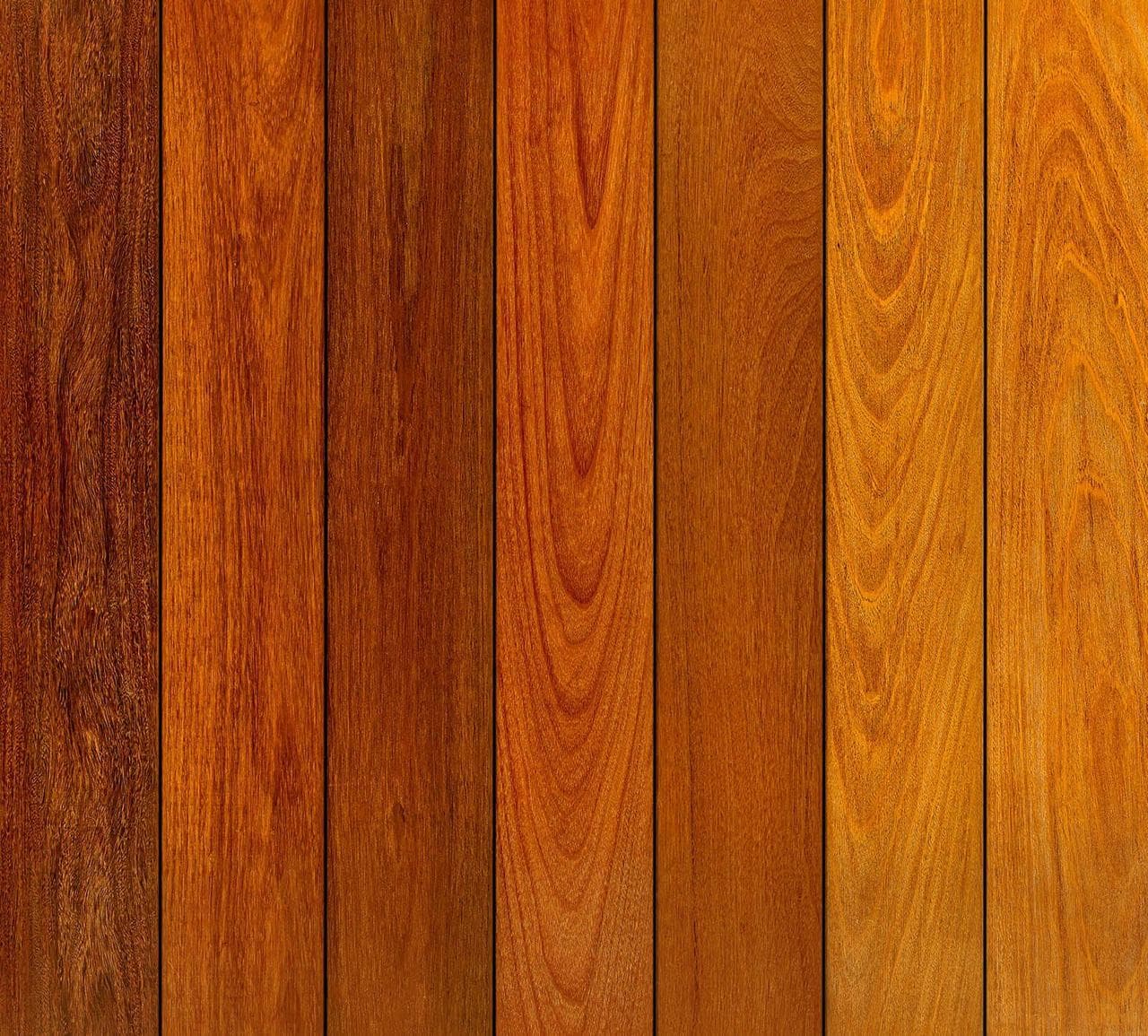
Ipe lumber typically ranges in color from reddish-brown to olive-brown, and its density is a key characteristic. These features, along with its natural resistance to mold and termites, contribute to its reputation as a benchmark hardwood. Understanding these inherent qualities helps confirm you are receiving genuine Ipe. For example, the typical air dry density of Ipe is around 5.75 lbs/bf.
The Role of Documentation in Traceability
Supplier documentation is crucial for verifying the origin and responsible sourcing of Ipe. This can include bills of lading, phytosanitary certificates, and other shipping documents that trace the wood from its point of harvest to its arrival at the supplier. These documents provide a paper trail that helps confirm the legality of the timber.
When reviewing documentation, pay attention to details such as the country of origin, port of export, and any associated permits. These details help to ensure that the wood has been legally harvested and exported in accordance with international regulations. A reputable supplier should be able to provide these documents upon request.
While not always available for every piece of lumber, understanding the documentation process gives insight into the supplier's commitment to transparency. This transparency is a key indicator of responsible sourcing practices in the timber industry.
Certification Standards for Ipe
Third-party certifications, such as those from the Forest Stewardship Council (FSC), are important tools for verifying sustainable forestry practices. These certifications indicate that the wood was harvested from forests managed in an environmentally appropriate, socially beneficial, and economically viable manner. While not all Ipe is certified, many suppliers adhere to these standards.
It is important to understand that certification applies to the forest management and chain of custody, not just the species itself. An FSC-certified product means that the wood can be traced back to a certified forest. This provides an additional layer of assurance regarding the wood's origin and the practices used in its harvesting.
When inquiring about certified Ipe, ask your supplier for the specific certification type and the associated certificate numbers. You can often verify these certificates through the certifying body's public database. This step helps confirm the validity of any claims of certification.
Questions to Ask Your Supplier
To gather comprehensive information about your Ipe decking's origin and traceability, consider asking the following questions:
1. What is the botanical name of the Ipe species being offered? (e.g., Handroanthus spp.)
2. What is the country and, if possible, the specific region of origin for this Ipe?
3. Can you provide documentation such as bills of lading or phytosanitary certificates that confirm the origin?
4. Is this Ipe certified by a third-party organization (e.g., FSC)? If so, please provide the certificate number.
5. What measures does your company take to ensure responsible sourcing and legal harvesting of Ipe?
6. How does your company verify the chain of custody for the Ipe you supply?
These questions will help you obtain specific details and assess the supplier's commitment to transparent and responsible sourcing.
Beyond origin, consider the physical profiles available. Ipe is offered in various dimensions, such as 1"x2" through 6"x6", and lengths typically ranging from 3 to 24 feet. It is available as air dried (AD) or kiln dried (KD) material. These practical details complement the traceability information.
Example: Tracing a Hypothetical Ipe Order
Consider a hypothetical project requiring 500 linear feet of 1x6 Ipe decking. You contact a supplier and ask about the origin and traceability.
The supplier informs you that the Ipe is Handroanthus spp., sourced from a specific concession in Brazil. They provide you with a copy of a phytosanitary certificate indicating the timber was exported from the Port of Santos, Brazil, and a bill of lading showing its shipment to the United States. They also mention that this particular batch is FSC-certified and provide a certificate number. You cross-reference this number on the FSC database, confirming its validity.
This level of detail allows you to make an informed decision, confident in the wood's identity and its journey through a verified supply chain. It demonstrates a commitment to responsible sourcing beyond generic claims. This process helps ensure that the Ipe you receive aligns with your project's aesthetic and ethical considerations.
For specific applications like decking, Ipe's exceptional strength and natural resistance make it a premier choice. Its durability is a key advantage, with proper care potentially extending its lifespan significantly. Understanding the origin adds another layer of value to this already robust material.
Before you order
- Confirm the botanical name (Handroanthus spp.) of the Ipe being offered.
- Identify the specific country and region of origin for the Ipe.
- Request and review supplier documentation (e.g., phytosanitary certificates, bills of lading).
- Inquire about any third-party certifications (e.g., FSC) and verify certificate numbers.
- Understand the supplier's process for ensuring responsible and legal sourcing.
- Confirm available profiles and lengths (e.g., 1x6, 3-24 ft lengths).
- Consider if the material is air-dried (AD) or kiln-dried (KD).
Confirm installation details, approved uses and warranty terms in the current instructions for the exact product and profile. Your installer should verify the substrate, structure and applicable project requirements.
Questions to help you decide
Why is Ipe origin and traceability important?
Understanding Ipe's origin and traceability ensures that the wood has been legally and often responsibly harvested. This supports sustainable forestry practices and provides confidence in the ethical sourcing of your building materials.
What is FSC certification, and why is it relevant for Ipe?
FSC (Forest Stewardship Council) certification indicates that the wood comes from a forest that has been managed in an environmentally responsible, socially beneficial, and economically viable manner. For Ipe, it offers assurance that the timber was harvested sustainably.
Can Ipe be used in all climates?
Ipe is highly weather-resistant due to its natural oils, which protect it from cracking or warping. This makes it suitable for various climates, including those with significant weather changes. Its natural resistance to rot and insects further enhances its versatility.
Request a Quote for Ipe Decking
Ready to specify Ipe for your project? Contact us for a material quote. Provide your project dimensions, desired profile, and ZIP code to confirm current availability and service options for Ipe decking.
Request a material quote →