Understanding Ipe and Moisture Content
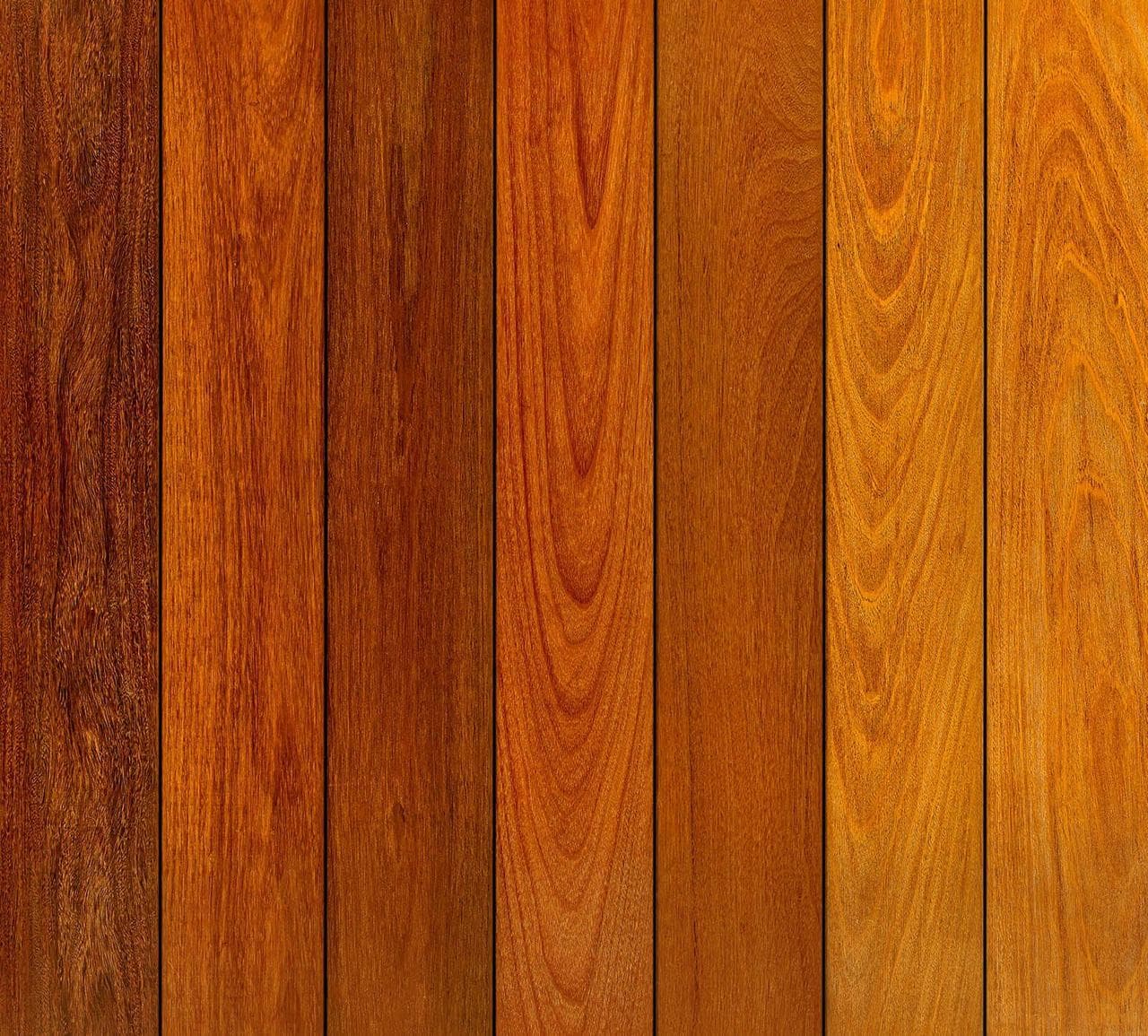
Ipe, also known as Brazilian walnut, is a naturally dense and durable hardwood. Its inherent properties make it resistant to weather changes, rot, and insects, contributing to its long lifespan. While Ipe is known for its stability, all wood products exchange moisture with their surrounding environment.
The goal for Ipe decking installation is to have the wood's moisture content as close as possible to its equilibrium moisture content (EMC) for the specific installation site. EMC is the moisture content at which wood neither gains nor loses moisture when exposed to a given relative humidity and temperature. Installing Ipe when its moisture content is significantly different from the site's EMC can lead to dimensional changes as it adjusts.
Ipe's natural oils help protect it from cracking or warping, even after moisture exposure. However, this does not eliminate the need to consider moisture content during the planning and installation phases. Proper moisture management is a best practice for any hardwood decking material.
Kiln-Dried (KD) vs. Air-Dried (AD) Ipe
Ipe decking is typically available as either kiln-dried (KD) or air-dried (AD). The drying method impacts the initial moisture content and how the wood will behave during acclimation.
This process offers more control over the final moisture level. Air-dried Ipe, on the other hand, is dried naturally by exposure to air, and its moisture content can vary more widely, often higher than kiln-dried material, depending on the climate and drying time. Lumber Plus offers Ipe in both AD and KD options across various profiles and lengths.
For many decking applications, kiln-dried Ipe is preferred because its lower and more consistent moisture content can simplify the acclimation process and reduce the potential for movement post-installation, especially in drier climates or for interior applications. However, the best choice depends on your local climate, the specific project, and the installer's recommendations.
Essential Questions for Your Supplier
Before purchasing Ipe decking, clarify the moisture condition of the material you will receive. This information is crucial for planning proper storage and acclimation.
Ask your Lumber Plus supplier:
2. "Is the Ipe decking kiln-dried (KD) or air-dried (AD)?"
Understanding these details allows you to anticipate acclimation needs and discuss them with your installer.
Critical Questions for Your Installer
Your installer's expertise in handling and installing Ipe based on its moisture content is vital. Discuss their approach to acclimation and installation spacing.
Ask your installer:
3. "How long do you anticipate the Ipe will need to acclimate on-site before installation can begin?"
5. "What measures will you take to protect the Ipe decking from moisture fluctuations during on-site storage before installation?"
A clear plan for moisture management ensures a more stable and long-lasting deck.
Worked Example: Planning for a Humid Climate
Consider a hypothetical project for a 12-foot by 20-foot Ipe deck in a region with a consistently high average relative humidity (e.g., 70-80%) during the installation season.
You order 1x6 Ipe decking boards.
Upon delivery, your installer uses a moisture meter to verify the boards' moisture content. They confirm it's within the 10-12% range. Knowing the local EMC is higher, the installer recommends a minimum of two weeks of on-site acclimation, stacked with spacers to allow air circulation, under a protective, breathable cover. This allows the Ipe to slowly absorb moisture and approach the local EMC.
During acclimation, the installer periodically re-checks the moisture content. Once it stabilizes closer to the 14-16% target, installation can proceed. This proactive approach helps prevent issues like buckling or cupping.
This example illustrates how understanding the starting moisture content, local EMC, and installer's plan leads to a more robust and problem-free Ipe deck.
Before you order
- Confirm if Ipe decking is Kiln-Dried (KD) or Air-Dried (AD) from your supplier.
- Obtain the current moisture content of the Ipe decking from your supplier.
- Research the average equilibrium moisture content (EMC) for your project's climate.
- Discuss the proposed acclimation process with your installer, including duration and storage.
- Verify the installer's method for measuring Ipe moisture content on-site.
- Confirm the planned board spacing and how it accounts for moisture content and climate.
- Ensure proper on-site storage is planned to protect Ipe from rapid moisture changes before installation.
Confirm installation details, approved uses and warranty terms in the current instructions for the exact product and profile. Your installer should verify the substrate, structure and applicable project requirements.
Questions to help you decide
Why is Ipe decking moisture content important?
All wood, including Ipe, expands and contracts with changes in moisture. Installing Ipe at a moisture content significantly different from its equilibrium with the local environment can lead to dimensional instability, such as cupping, checking, or gapping between boards, after installation.
How long does Ipe decking need to acclimate?
The acclimation time for Ipe decking varies depending on the initial moisture content of the wood, the local climate conditions (temperature and humidity), and whether it's kiln-dried or air-dried. It could range from a few days to several weeks. Your installer should measure the wood's moisture content and the ambient conditions to determine the appropriate acclimation period.
Can Ipe be installed immediately upon delivery?
While Ipe is a stable wood, it is generally not recommended to install it immediately upon delivery. It needs time to acclimate to the specific job site's temperature and humidity. Always consult with your installer and supplier regarding the recommended acclimation period for your particular material and project location.
Request Your Ipe Decking Quote Today
Planning your Ipe decking project requires precise material specifications. Request a material quote with your project dimensions, exact profile, and ZIP code to confirm current availability and service options. Visit our Ipe Decking product page for more details: https://www.lumberplus.com/decking/hardwood/ipe. You can also explore our full range of decking options: https://www.lumberplus.com/decking, including other hardwood choices: https://www.lumberplus.com/decking/hardwood, composite decking: https://www.lumberplus.com/decking/composite, and PVC decking: https://www.lumberplus.com/decking/pvc.
Request a material quote →