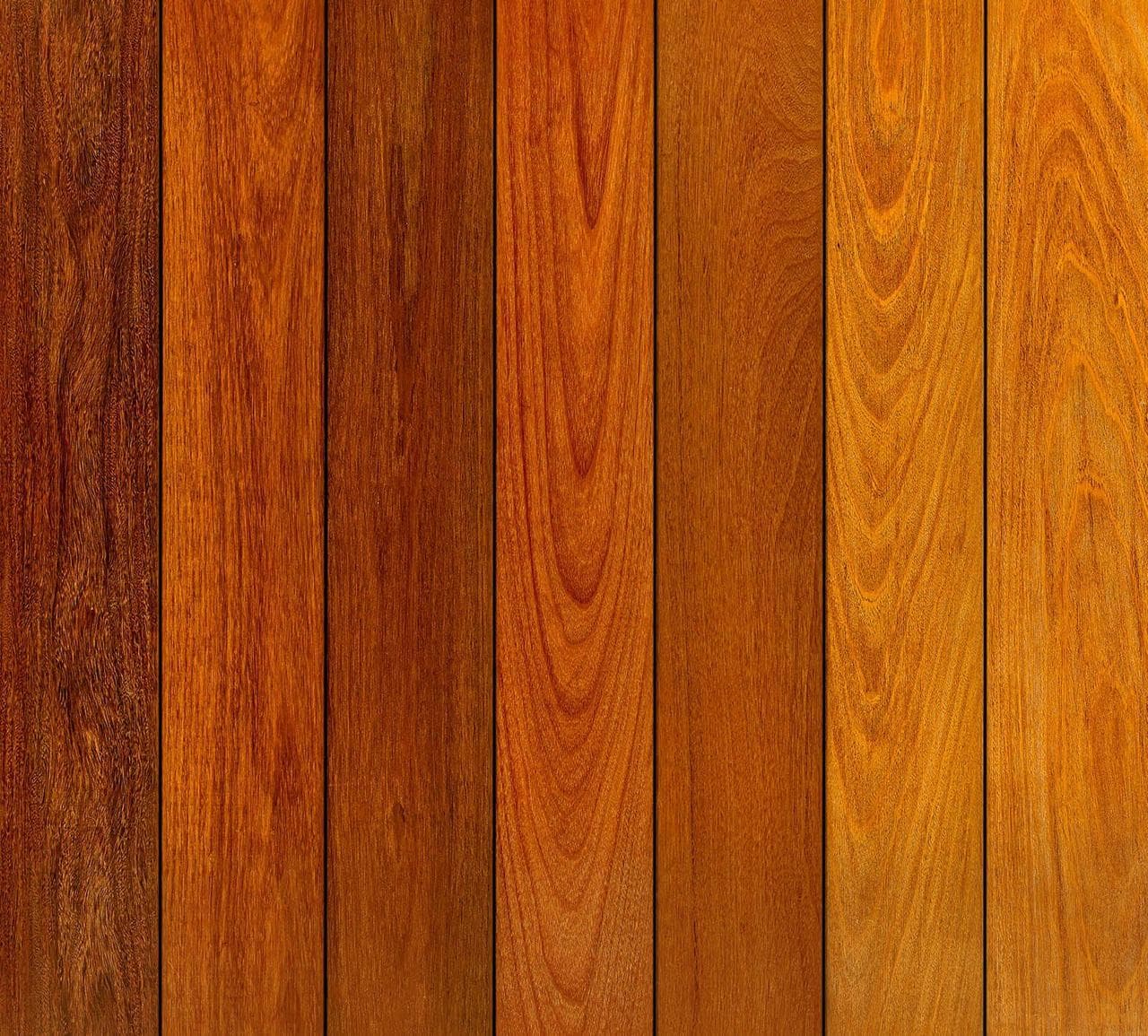
Understanding Ipe Decking Profiles
Ipe decking is available in various profiles, with grooved and square-edge being the most common. Each profile is designed to work with specific fastening systems, which in turn influences the deck's appearance and structural integrity.
Square-edge boards have a traditional, rectangular profile, allowing for face-fastening or specific hidden fastening systems. Grooved-edge boards feature a routed channel along the sides, specifically designed to accommodate hidden clip fastening systems.
Grooved-Edge Ipe Decking: Hidden Fasteners and Clean Lines
Grooved-edge Ipe decking is specifically manufactured with a continuous groove along each side. This groove is designed to accept hidden deck clips, which secure the boards to the joists without visible screws on the deck surface.
The primary advantage of grooved-edge boards is the clean, unblemished surface they create. This aesthetic is often preferred for modern designs where a smooth, uniform appearance is desired. Installation with hidden clips can also offer consistent board spacing, contributing to a professional finish.
However, hidden fastening systems generally require more careful alignment during installation and can sometimes be more time-consuming than face-fastening. Accessing individual boards for repair can also be more complex with hidden clips compared to face-fastened boards.
Square-Edge Ipe Decking: Versatility in Fastening
Square-edge Ipe decking offers greater flexibility in fastening methods. The most common approach is face-fastening, where screws are driven directly through the top surface of the board into the joist below. This method is often considered straightforward and provides a strong, secure connection.
For those who prefer a hidden fastener look with square-edge boards, specialized systems exist that attach to the sides of the boards or are installed from underneath. These systems typically require specific installation techniques and tools.
Face-fastening allows for easy removal and replacement of individual boards if needed. The visible screw heads, while a traditional look, require careful pre-drilling and countersinking in Ipe due to its density to prevent splitting and ensure a flush finish. Matching Ipe plugs can be used to conceal screw heads for a more refined appearance.
Worked Example: Decking a 10x12 Foot Patio
Let's consider a hypothetical 10-foot by 12-foot deck area, using 1x6 (actual dimensions approximately 3/4 inch x 5 1/2 inch) Ipe decking boards. We will compare the implications of using grooved-edge versus square-edge profiles.
For a grooved-edge installation, you would typically use hidden clips. The cost of these clips and the specialized bit for installation would be factored into the project budget.
These would need to be pre-drilled and countersunk. If you opt for Ipe plugs to conceal the screws, you would also need to account for the cost and installation time for these plugs. This method requires careful attention to alignment and consistent screw depth for a uniform finish.
Decision Checklist: Grooved vs. Square-Edge Ipe
The choice between grooved and square-edge Ipe decking depends on several factors, including your aesthetic preferences, budget, installation experience, and long-term maintenance considerations. Evaluate these points before making your selection.
Consider the desired finished look: Do you prefer a completely smooth, fastener-free surface, or is the traditional look of face-fasteners acceptable? Hidden fasteners achieve a cleaner look, while face-fasteners are visible.
Evaluate your budget: Hidden fastening systems often have a higher material cost for the clips themselves compared to screws, though installation time can vary. Plugs for face-fastened boards also add to material and labor costs.
Assess installation complexity: Hidden clip systems can be more intricate to install correctly, requiring precise alignment. Face-fastening, while seemingly simpler, requires careful pre-drilling and consistent application to avoid splitting the dense Ipe wood and ensure a neat appearance.
Think about future maintenance and repairs: Face-fastened boards are generally easier to remove and replace individually. Hidden clip systems may require more effort to access or replace a single damaged board.
Before you order
- Desired aesthetic: Do you prefer a fastener-free surface (grooved) or visible fasteners (square-edge, can be plugged)?
- Fastening system preference: Hidden clips (grooved) or face screws/specialized hidden systems (square-edge)?
- Installation experience: Are you comfortable with the precision required for hidden clips, or the pre-drilling for face screws?
- Budget for fasteners: Account for the cost of hidden clips or the quantity of specialized screws and potential plugs.
- Repair accessibility: How important is easy removal/replacement of individual boards for future maintenance?
- Overall project style: Does a modern, sleek look or a traditional appearance best suit your home and landscape?
- Local building codes: Confirm any specific fastening requirements for your area, especially for elevated decks.
Confirm installation details, approved uses and warranty terms in the current instructions for the exact product and profile. Your installer should verify the substrate, structure and applicable project requirements.
Questions to help you decide
Can I use hidden fasteners with square-edge Ipe decking?
Yes, specialized hidden fastening systems are available for square-edge Ipe decking. These systems typically grip the sides of the boards or are installed from underneath, providing a fastener-free surface similar to grooved-edge boards. However, they may require specific tools and installation techniques.
Does Ipe wood require pre-drilling for fasteners?
Yes, due to Ipe's exceptional density, pre-drilling pilot holes is essential for both face-fastening and many hidden fastening systems. This prevents the wood from splitting and ensures that fasteners are seated properly. Using high-quality drill bits designed for hardwoods is recommended.
How does the choice of profile affect board spacing?
Hidden fastening systems designed for grooved-edge boards often incorporate built-in spacers, which help maintain consistent gaps between boards. For square-edge boards, whether face-fastened or using certain hidden systems, manual spacers or careful measurement are typically used to ensure proper board spacing for drainage and expansion.
Start Planning Your Ipe Deck Project
Ready to choose the right Ipe decking profile for your outdoor space? Request a material quote with your project dimensions, desired profile (grooved or square-edge), and ZIP code. Confirm current availability and service options to bring your vision to life.
Request a material quote →