Understanding Ipe's Properties for Marine Applications
Ipe, also known as Brazilian walnut (Handroanthus spp.), is a dense hardwood originating from South America. Its natural attributes contribute to its suitability for demanding outdoor applications, including docks. Ipe is recognized for its resistance to rot, insects, and mold, which are crucial factors for structures in consistent contact with water. Its density and inherent oils also contribute to its stability against warping or cracking when exposed to moisture.
While Ipe is highly resistant to weather changes and has minimal movement post-installation, a dock environment introduces specific challenges beyond those of a typical deck. The constant presence of moisture, potential for marine growth, and dynamic loading from water movement or boat traffic require careful consideration of the entire assembly, not just the decking material itself.
Assessing Environmental Exposure: Water, Sun, and Salt
A dock's exposure to the elements is often more intense than other outdoor structures. Consider the type of water (freshwater vs. saltwater), the degree of sun exposure, and the potential for ice in winter climates. Ipe's natural resistance to mold and its ability to resist warping make it a candidate for freshwater docks. For saltwater environments, Ipe's density and natural oils may offer some protection, but the corrosive nature of salt water on fasteners and underlying structural components must be thoroughly addressed by the project engineer.
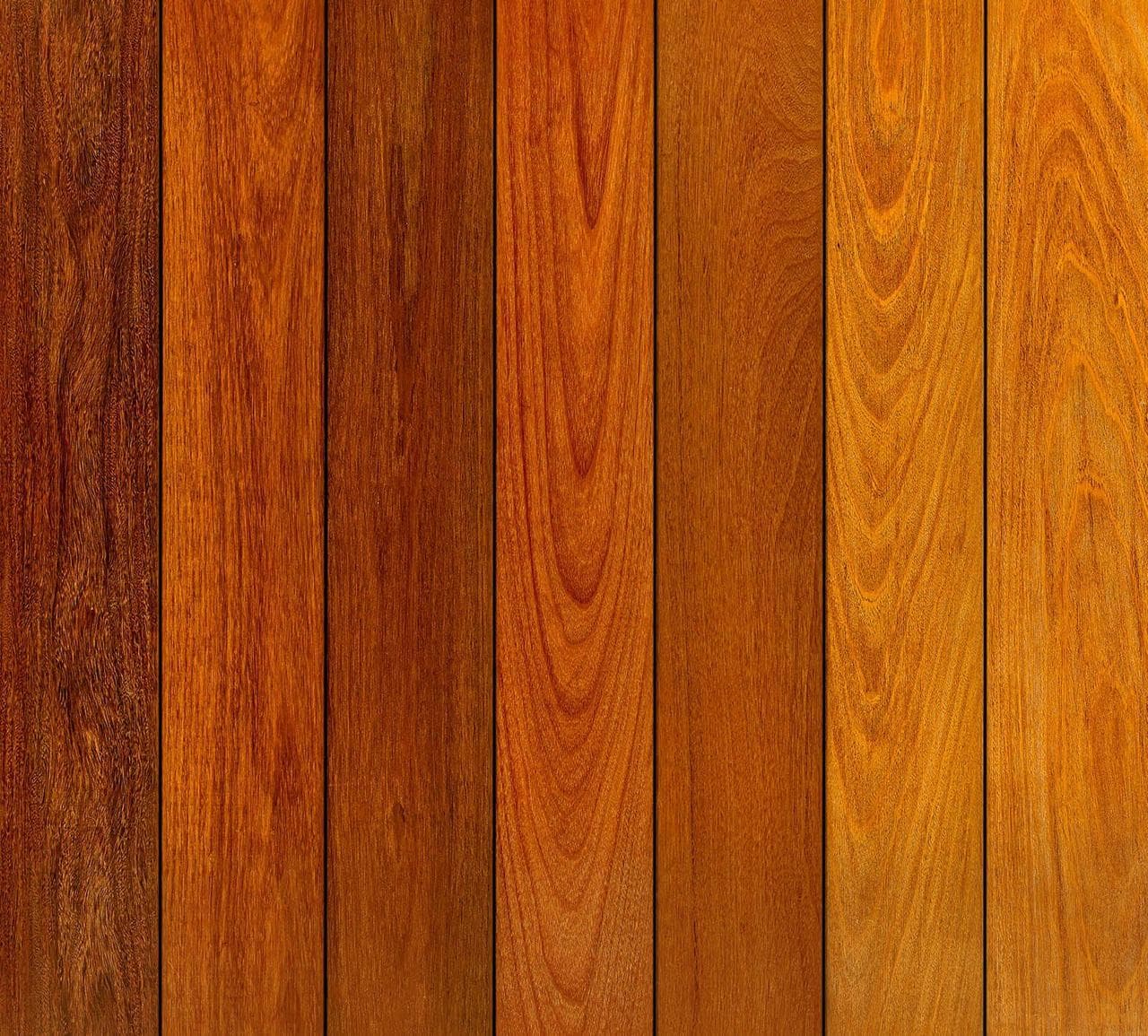
Constant submersion or intermittent wetting and drying cycles can affect any wood. While Ipe is known for its durability, ensuring proper ventilation and drainage in the dock's design is critical to prevent prolonged moisture retention, especially in areas not exposed to direct sunlight or airflow. In areas with significant sun exposure, Ipe will naturally weather to a silvery-gray patina if left untreated. If maintaining its original reddish-brown to olive-brown color is desired, a UV-blocking sealer would be necessary, requiring regular maintenance. For winter exposure, the impact of freezing and thawing cycles on the entire dock structure, including fasteners and substructure, must be evaluated by a qualified professional.
Structural Considerations and Load Bearing
Docks are subject to various loads, including static loads (people, furniture, equipment) and dynamic loads (waves, boat movement, wind). The structural integrity of the entire dock system—including pilings, stringers, joists, and decking—must be engineered to withstand these forces. While Ipe decking itself is exceptionally strong, it is the responsibility of the project engineer to specify the appropriate substructure and fastening methods to meet the anticipated loads and local building codes.
Ipe is available in various profiles, typically from 1"x2" to 6"x6" dimensions and lengths from 3 to 24 feet. The specific dimensions and spacing of the Ipe decking boards will depend on the joist spacing and expected loads. Due to Ipe's density, specialized tools and techniques, including pre-drilling for fasteners, are typically required for installation. The choice of fasteners is also critical; marine-grade stainless steel fasteners are generally recommended to resist corrosion in wet environments, and their compatibility with Ipe must be confirmed.
Local Regulations and Permitting
Building a dock almost invariably requires permits from local, state, and potentially federal agencies. These regulations often dictate acceptable materials, structural design, setback requirements, environmental impact assessments, and sometimes even the aesthetic of waterfront structures. Before any material is purchased or construction begins, consult with the relevant authorities to understand all permitting requirements and ensure the proposed Ipe dock design complies.
Permitting processes can be complex and time-consuming. It is advisable to engage with local building departments, environmental protection agencies, and any relevant homeowner or waterfront associations early in the planning process. They may have specific guidelines regarding material choices, construction methods, and maintenance plans for structures in or near water. Some jurisdictions may require specific certifications for wood products used in aquatic environments.
Worked Example: Decking for a 10' x 20' Freshwater Dock
Consider a hypothetical freshwater dock measuring 10 feet wide by 20 feet long, intended for light recreational use and occasional boat mooring.
First, calculate the total decking area: 10 ft * 20 ft = 200 square feet. For 1x6 (nominal size) Ipe boards, which typically have an actual width of 5.5 inches, we need to determine the number of boards required. Rounding up, we'd need 22 boards for the width. For the 20-foot length, we would generally purchase boards in standard lengths, often 8, 10, 12, 14, 16, 18, or 20 feet. If 20-foot boards are available, this simplifies the layout significantly.
For a 10' x 20' dock, using 20-foot Ipe boards (actual width 5.5 inches), the number of boards needed would be 22 boards (width) * 1 (length) = 22 boards. If 10-foot boards are used, it would be 22 boards (width) * 2 (length segments) = 44 boards. Always factor in a waste percentage, typically 10-15%, for cuts and potential board selection. For this example, let's assume 20-foot boards are preferred for minimal seams. Purchasing 22 boards, plus a 10% waste factor (2.2 boards, round up to 3), would mean ordering 25 pieces of 1x6 Ipe decking, 20 feet long. This calculation provides an estimate for material quantity; the actual order quantity should always be verified with a detailed cut plan and an allowance for waste.
Crucially, the structural design for this dock, including the joist material and spacing, piling type, and fastening schedule (e.g., marine-grade stainless steel screws pre-drilled), must be specified by a licensed engineer to ensure it meets all local codes and can safely support the intended loads and environmental conditions.
Before you order
- Confirm local permitting requirements for dock construction.
- Engage a licensed engineer for structural design and load calculations.
- Specify marine-grade fasteners compatible with Ipe for the wet environment.
- Plan for proper ventilation and drainage in the dock design to prevent moisture buildup.
- Decide on the desired appearance: natural silvery-gray patina or oiled reddish-brown.
- Factor in potential for ice, heavy boat traffic, or unique environmental stressors.
- Verify actual Ipe board dimensions and available lengths for efficient layout.
- Account for a waste factor (typically 10-15%) in material estimates.
Confirm installation details, approved uses and warranty terms in the current instructions for the exact product and profile. Your installer should verify the substrate, structure and applicable project requirements.
Questions to help you decide
Is Ipe wood truly waterproof for dock use?
While Ipe is highly resistant to moisture, rot, and decay, no wood is entirely "waterproof." Its dense composition and natural oils help it resist water absorption and swelling better than many other wood species. However, sustained submersion or prolonged exposure to moisture without proper ventilation can still affect its longevity and appearance. The overall dock design and construction methods play a significant role in its performance in a wet environment.
What kind of fasteners should I use for an Ipe dock?
Due to the corrosive nature of water, especially saltwater, marine-grade stainless steel fasteners are generally recommended for Ipe dock construction. These fasteners offer superior corrosion resistance compared to standard steel. It is crucial to pre-drill pilot holes for all fasteners in Ipe due to its extreme density, to prevent splitting and ensure a secure connection. Consult with your structural engineer and fastener supplier for specific recommendations based on your project's environment and design.
How does Ipe's color change when exposed to water and sun on a dock?
When Ipe is exposed to the elements on a dock, its initial reddish-brown to olive-brown color will gradually transform. If left untreated, it will weather to a silvery-gray patina over time, a process accelerated by sun and water exposure. This weathered look is often desired for its natural aesthetic. If you prefer to retain the original rich color, a UV-blocking oil or sealer would need to be applied periodically as part of a regular maintenance schedule. The frequency of reapplication depends on the product used and the intensity of sun and water exposure.
Request an Ipe Decking Material Quote
Ready to specify Ipe for your dock project? Provide your project dimensions, desired Ipe profile, and ZIP code to request a material quote. We can also confirm current availability and service options for your location.
Request a material quote →