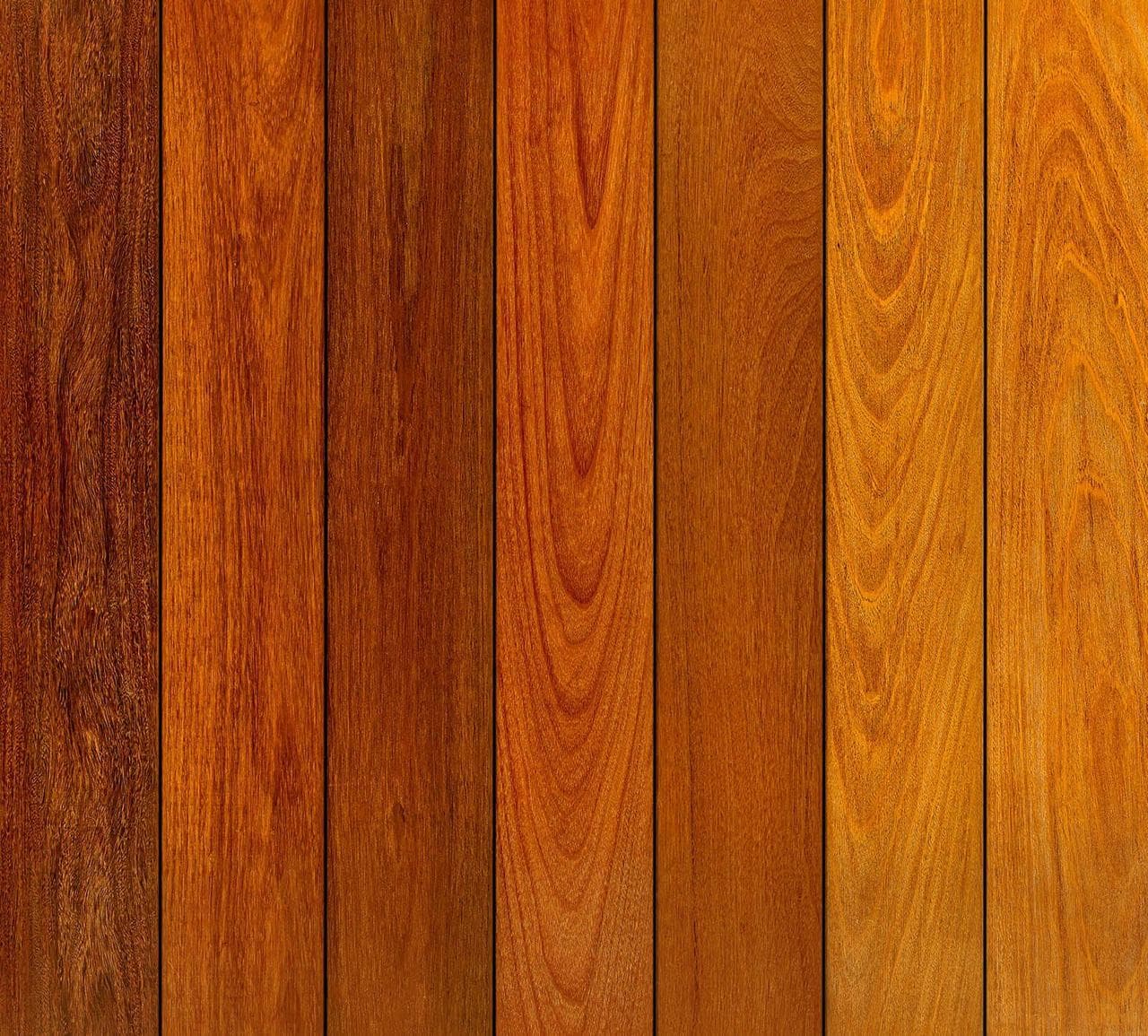
The Natural Palette of Ipe Decking
Ipe's distinctive appearance is one of its most appealing qualities. The wood naturally presents a spectrum of hues, primarily from reddish-brown to olive-brown. These variations are not defects but rather a testament to the wood's natural origin and growth patterns. Each board possesses a unique grain pattern and color depth, contributing to a rich, organic aesthetic when installed.
When you receive an order of Ipe decking, you should expect to see boards that span this natural color range. This diversity allows for a dynamic and visually interesting surface, rather than a monolithic, uniform look. The interplay of these colors can add significant character to your deck, creating a focal point that evolves with light and time.
It's important to differentiate between the natural color range and any potential discoloration from improper storage or handling. Freshly milled Ipe will display its inherent color. Any significant green, black, or blue staining could indicate mold or mildew, which should be addressed before installation. Always inspect your delivery carefully upon arrival.
Factors Influencing Ipe's Color
Several natural factors contribute to the color variation observed in Ipe decking. These include the specific species of Handroanthus tree (Ipe is a botanical genus, not a single species), the soil composition where the tree grew, its age, and even the section of the log from which the board was milled. These elements combine to produce the unique tones and grain patterns in each piece of lumber.
The density of Ipe, which is considerable at approximately 5.75 lbs/bf air dry density, also plays a role in its appearance. Denser sections of wood might absorb finishes differently or present a slightly deeper tone. These natural characteristics are what give Ipe its reputation for luxury and visual depth.
Setting Expectations for Your Project
Before ordering Ipe decking, visualize how the natural color variation will contribute to your project's overall aesthetic. If you are aiming for a highly uniform appearance, Ipe's natural characteristics might require a different approach, such as careful board selection and arrangement, or the application of a unifying stain.
For those who appreciate the organic beauty of natural wood, the color variations in Ipe are often seen as a significant advantage. They prevent the deck from appearing monotonous and add a layer of sophistication. Consider how these variations will interact with your home's exterior colors, landscaping, and other outdoor elements. Embracing this natural diversity can lead to a more authentic and enduring design.
Planning Your Layout with Color in Mind
When installing Ipe decking, you have the opportunity to arrange boards to create a harmonious blend of colors. Instead of installing boards in the order they come off the pallet, consider laying them out dry first. This allows you to shuffle and reposition boards to distribute the various reddish-brown and olive-brown tones evenly across your deck surface.
This pre-layout step is particularly useful for larger decks or areas where specific visual effects are desired. You might choose to group similar tones in certain areas or intentionally mix them for a more mosaic-like pattern. This process is part of working with natural materials and allows for a personalized final appearance.
The Impact of Finishes and Weathering
The initial color of Ipe decking can be preserved and enhanced with the application of a UV-blocking sealer. This helps to maintain the wood's original reddish-brown to olive-brown tones and protect it from sun exposure. Without a sealer, Ipe will naturally weather over time to a silvery-gray patina. This weathering process is also a natural characteristic of the wood.
If you opt for an oiled appearance, select a finish specifically designed for Ipe or other dense hardwoods. These finishes penetrate the wood, enriching its natural color and providing protection. Be aware that even with a finish, slight variations in color will remain visible, as the finish enhances rather than completely masks the wood's natural character. Regular maintenance, including cleaning and reapplication of finish, will be necessary to sustain the desired appearance.
Worked Example: Blending Ipe Tones for a 10' x 12' Deck
Imagine you are planning a 10-foot by 12-foot deck using 1x6 Ipe decking boards. You've received your order, and upon unbundling, you notice a range of boards: some are a deeper reddish-brown, others a lighter olive-brown, and many are somewhere in between.
Before fastening any boards, take the time to lay them out loosely across the entire 10x12 area. As you place each board, observe its color and grain.
Identify any boards with particularly strong reddish or olive tones. Distribute these unique boards evenly across the deck's surface, avoiding clusters of similar colors. For instance, if you have three distinctly reddish boards, spread them out so they are not adjacent to each other. Fill in the gaps with the more moderate-toned boards.
This dry layout allows you to visualize the finished pattern and make adjustments before committing to fasteners. It ensures that the natural variation creates a balanced and appealing aesthetic, rather than appearing patchy or uneven. This step typically adds a small amount of time to the installation but significantly enhances the final visual outcome.
Before you order
- Do you prefer a uniform appearance or embrace natural color variation?
- Have you reviewed Ipe product photos to understand the typical color range?
- Are you prepared to sort and arrange boards during installation to balance colors?
- Will you apply a UV-blocking sealer to maintain the initial color, or allow it to weather to gray?
- Have you considered how Ipe's color variation will complement your home's existing exterior?
- Are you aware that finish applications will enhance, not eliminate, natural color differences?
Confirm installation details, approved uses and warranty terms in the current instructions for the exact product and profile. Your installer should verify the substrate, structure and applicable project requirements.
Questions to help you decide
What is the typical color range for Ipe decking?
Ipe decking typically ranges in color from reddish-brown to olive-brown. This natural variation is a characteristic feature of the wood, contributing to its unique aesthetic.
Will all my Ipe decking boards be the exact same color?
No, Ipe is a natural hardwood, and boards will exhibit variations in color and grain. It is unrealistic to expect every board to be identical. This diversity is part of the wood's natural beauty.
Can I minimize color variation in Ipe decking?
While you cannot eliminate natural variation, you can manage its appearance. Sorting and arranging boards during installation to blend tones can create a more balanced look. Applying a UV-blocking finish can also help maintain a more consistent initial color, though variations will still be visible.
Request a Material Quote for Your Ipe Decking Project
Ready to bring the natural beauty of Ipe decking to your outdoor space? Request a material quote today. Provide your project dimensions, desired Ipe profile, and ZIP code to confirm current availability and service options. We're here to help you plan for a stunning and durable deck.
Request a material quote →