Why Ipe for Boardwalks? Understanding Its Core Strengths
Ipe's reputation for durability is a primary reason it is considered for demanding outdoor structures like boardwalks. It is a dense hardwood, native to South America, known for its ability to withstand significant wear and exposure. This inherent strength is crucial for boardwalks that experience high foot traffic or are subject to environmental stresses such as moisture and fluctuating temperatures.
The wood's natural resistance to rot, insects, and mold contributes to a reduced need for chemical treatments over its lifespan. This characteristic is particularly beneficial in ecologically sensitive areas where minimizing chemical applications is a priority. Ipe's minimal movement post-installation and resistance to weather changes also mean it maintains its structural integrity over time, reducing the likelihood of warping or cracking under regular use.
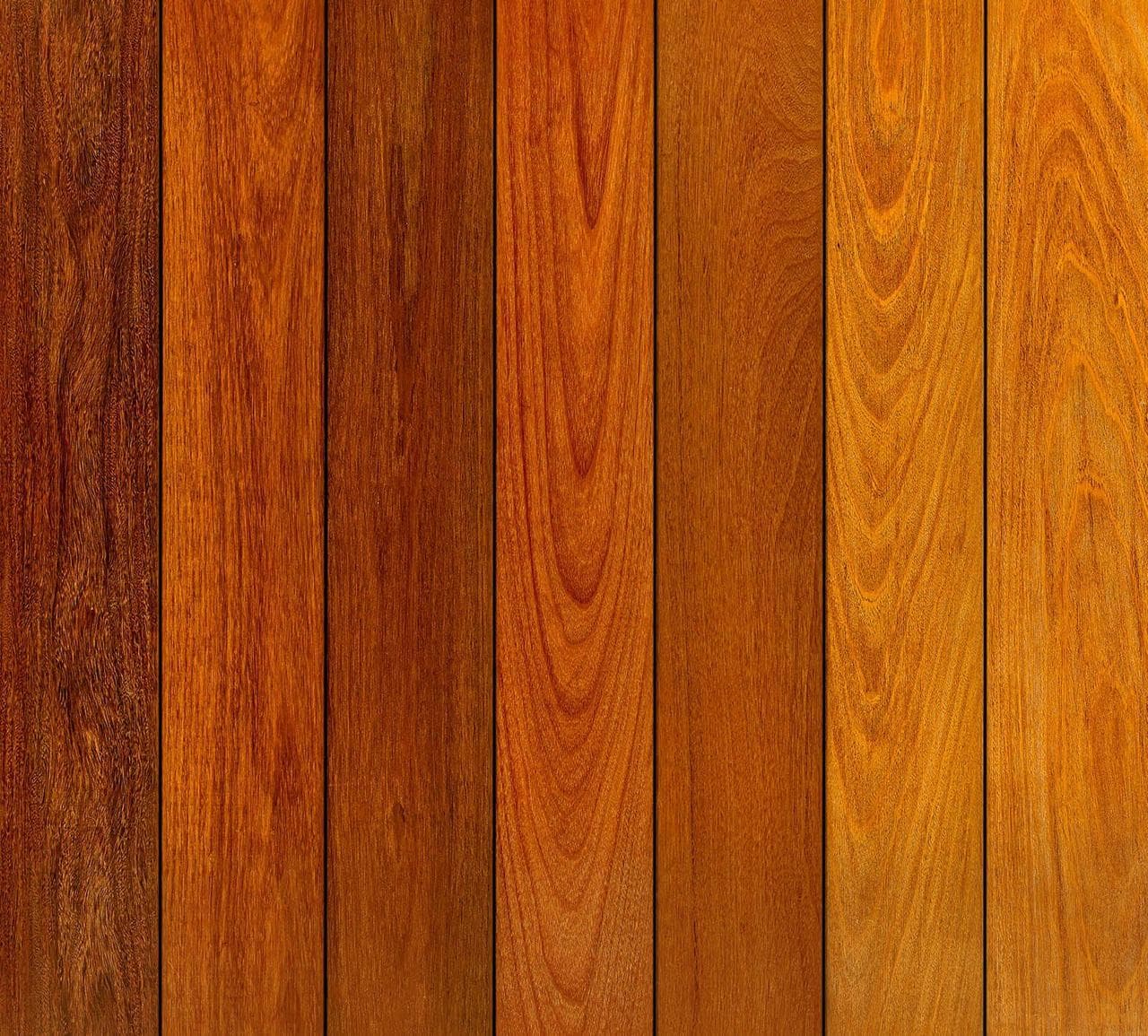
Its color, ranging from reddish-brown to olive-brown, offers an aesthetic quality that can complement natural surroundings or provide a distinguished appearance in urban settings. While its appearance can be maintained with UV-blocking sealers, Ipe also weathers naturally to a silvery-gray patina if left untreated, offering a low-maintenance option for its visual upkeep.
Structural Suitability: Verifying Ipe Specifications for Boardwalk Loads
For any boardwalk project, structural engineering is paramount. Ipe's high density and strength contribute to its suitability for load-bearing applications. However, the specific dimensions and spacing of Ipe boards, as well as the underlying support structure, must be designed to meet the anticipated live and dead loads of the boardwalk.
When specifying Ipe for a boardwalk, it's essential to work with a structural engineer to determine appropriate board thicknesses, widths, and joist spacing. Ipe is available in a range of profiles, typically from 1"x2" up to 6"x6" dimensions, and in lengths from 3 to 24 feet. These varied dimensions allow for flexibility in design, but each component must be selected based on engineering calculations, not just aesthetic preference. The 'Air Dry Density' of Ipe, around 5.75 lbs/bf, indicates its substantial weight, which is a factor in structural calculations and handling during installation.
While Ipe is resistant to warping and cracking, proper installation techniques are critical. This includes adequate ventilation beneath the boardwalk to prevent moisture accumulation and ensuring fasteners are compatible with this dense hardwood. Pilot holes are typically required for fastening Ipe to prevent splitting and ensure secure connections.
Environmental Resilience: Ipe in Challenging Conditions
Boardwalks are often constructed in environments that challenge many other building materials, such as coastal areas with salt spray, wetlands with constant moisture, or regions with significant temperature fluctuations and winter exposure. Ipe's natural properties offer a degree of resilience in these conditions.
Ipe is naturally resistant to rot and termites, which is a significant advantage in moist or humid environments where these issues are common. Its ability to resist warping after moisture exposure and its natural oils protect it from cracking, making it a suitable choice for areas prone to wet conditions.
For projects in coastal regions, Ipe's density and resistance to weathering mean it can endure exposure to salt air and strong winds. In areas with winter exposure, Ipe maintains its structural integrity.
Planning for Installation and Maintenance
Installing Ipe for a boardwalk project requires specific considerations due to its density. Specialized tools and techniques are often necessary for cutting, drilling, and fastening. Professional installation is generally recommended to ensure proper assembly and to maximize the material's lifespan and performance. This includes precise pilot holes for fasteners and careful handling of the material.
While Ipe is considered low-maintenance, a boardwalk project will still require a maintenance plan. If the goal is to preserve the initial reddish-brown to olive-brown color, a UV-blocking sealer will need to be applied periodically. If left untreated, Ipe will naturally weather to a silvery-gray patina, which can be an appealing, low-maintenance aesthetic for many boardwalks. Regular cleaning to remove debris and prevent mildew buildup is also recommended, regardless of whether a sealer is applied.
This long-term view is important for public infrastructure projects where longevity and minimal disruption are key.
Worked Example: Boardwalk Section Material Takeoff
Let's consider a hypothetical 50-foot long boardwalk section, 6 feet wide, requiring Ipe decking boards. We will assume a standard 5/4" x 6" Ipe decking profile, which actually measures approximately 1 inch thick by 5.5 inches wide, with a square-edge profile for face fastening.
First, determine the number of decking boards needed across the 6-foot width. Six feet is 72 inches. 72 inches / 5.625 inches per board (including space) = 12.79. This means 13 boards are needed across the width, with the last board requiring a rip cut.
Next, calculate the linear footage of decking. 13 boards * 50 feet long = 650 linear feet. To minimize waste and simplify ordering, it's often practical to order in standard available lengths. If 10-foot and 12-foot lengths are available, for example, a mix might be ordered. If 16-foot lengths are sourced, 4 boards would cover 64 feet, so for a 50-foot run, five 10-foot boards or four 12-foot boards could be used per row, depending on cut plans and desired seam locations.
For this example, let's assume we want to minimize seams and order boards that are 16 feet long. Each 16-foot board would yield three 50-foot sections (50/16 = 3.125), but this is incorrect. Instead, if we need 50-foot lengths, we must specify custom lengths or plan for butt joints. If standard lengths are used, and 16-foot lengths are the longest practical, then for a 50-foot section, each row would require three 16-foot boards and one 2-foot board (or two 16-foot boards and one 18-foot board, if available). This creates two butt joints per row. For 13 rows, this would be 13 * (3 * 16ft + 1 * 2ft) = 13 * 50ft = 650 linear feet. Given that boards are typically sold in increments, it's safer to round up or plan for specific lengths. For 13 rows of 50 feet, if only 16-foot lengths are purchased, then 13 rows * (50 feet / 16 feet per board, rounded up to 4 boards) = 13 * 4 = 52 boards of 16-foot length. This would result in 13 * (4*16 - 50) = 13 * (64-50) = 13 * 14 = 182 linear feet of offcut, some of which may be usable for shorter sections or repairs. Always consult with a supplier on available lengths and plan for a waste factor, typically 10-15% for cuts and defects.
Before you order
- Consult with a structural engineer for load calculations and specific board dimensions.
- Verify local building codes and environmental regulations for boardwalk construction.
- Determine the desired aesthetic: natural weathered gray or maintained original color.
- Plan for proper ventilation beneath the boardwalk structure.
- Select appropriate fasteners and confirm pilot hole requirements.
- Consider the project's long-term maintenance strategy.
- Account for a waste factor in material quantity calculations (e.g., 10-15%).
Confirm installation details, approved uses and warranty terms in the current instructions for the exact product and profile. Your installer should verify the substrate, structure and applicable project requirements.
Questions to help you decide
How long can an Ipe boardwalk be expected to last?
With proper design, installation, and occasional care, an Ipe boardwalk can last for many decades. Source data indicates Ipe decking can last up to 75 years, significantly longer than many other wood species used for outdoor purposes.
Does Ipe require any special treatment for coastal or wet environments?
Ipe possesses natural resistance to rot, insects, and mold, and its natural oils help protect it from cracking and warping due to moisture exposure. While it performs well in challenging environments, proper ventilation and design to prevent standing water are still important for any boardwalk structure. No additional chemical treatments are inherently required for its resistance.
Can Ipe be installed by a general contractor, or is specialized expertise needed?
Due to Ipe's exceptional density, specialized tools and techniques are often recommended for cutting, drilling, and fastening. While a general contractor with experience in dense hardwoods may be able to handle the installation, consulting with professionals experienced in Ipe is advisable to ensure correct installation and to leverage the material's full potential.
Request a Material Quote for Your Ipe Boardwalk Project
Planning a boardwalk with Ipe decking? Provide your project dimensions, desired Ipe profile, and ZIP code to request a material quote. We can help confirm current availability and service options for your specific needs.
Request a material quote →