Understanding Ipe Decking Characteristics
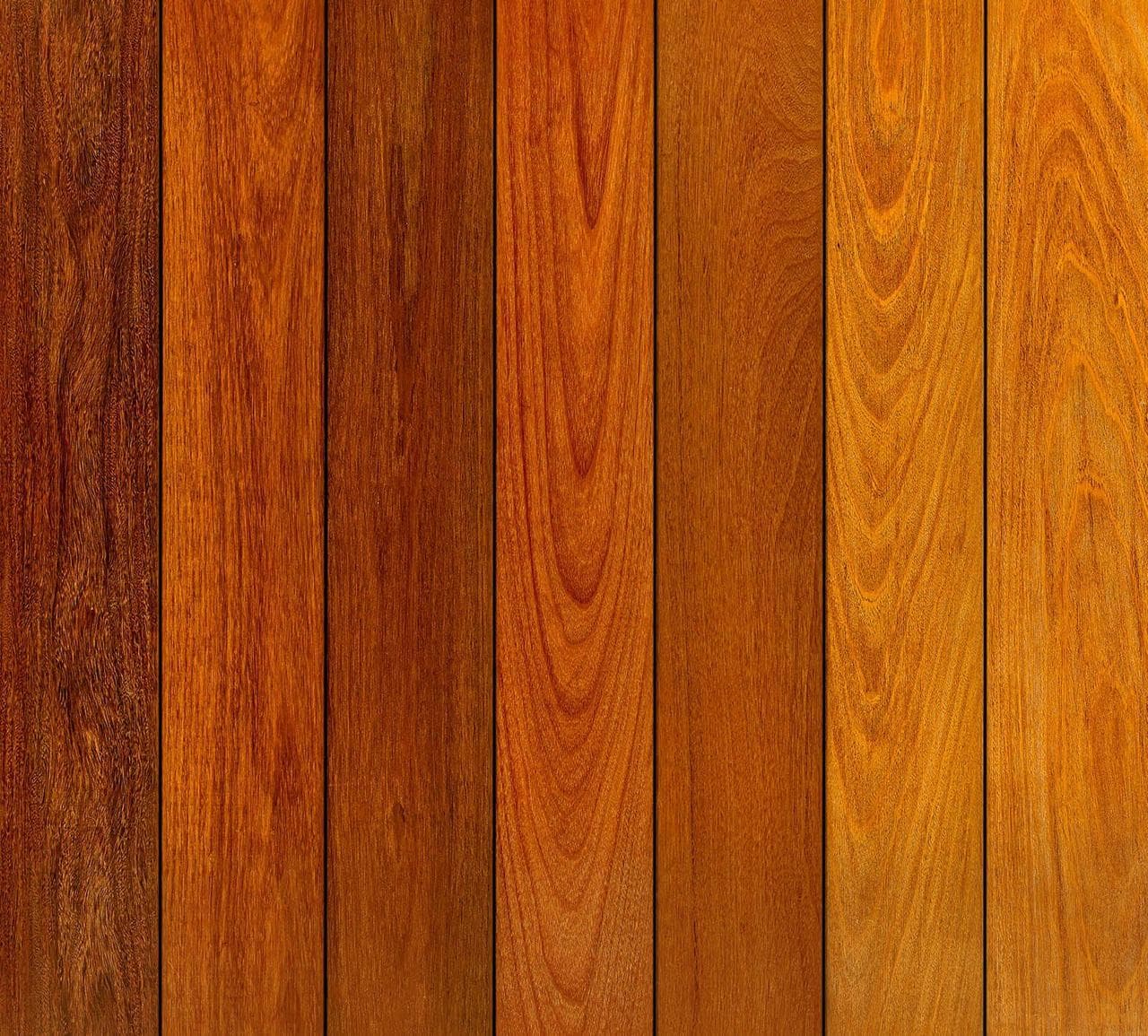
Ipe wood, also known as Brazilian walnut, is a dense, durable hardwood originating from South America. It is recognized for its reddish-brown to olive-brown color range and its ability to resist weather changes, mold, and termites. These natural properties make Ipe a choice for outdoor applications such as decking, siding, and fencing. Its minimal movement post-installation is a key characteristic for architects to consider in their structural designs.
Architects will factor in the weight of the material when designing the supporting structure, especially for elevated decks or large spans. Understanding these fundamental characteristics is the first step in building your material package. A Class A fire rating is also a consideration for some projects.
Selecting Ipe Decking Profiles and Dimensions
Ipe decking is available in various profiles and dimensions, typically ranging from 1"x2" to 6"x6" in lengths from 3 to 24 feet. The choice of profile impacts the deck's appearance, structural requirements, and fastener compatibility.
For example, a common dimension like 5/4 x 6 nominal Ipe decking usually refers to a board that is closer to 1 inch thick and 5.5 inches wide in actual dimensions. Providing the exact nominal and actual dimensions for your preferred boards allows the architect to accurately calculate material quantities, plan board spacing, and design the sub-structure accordingly. Consider how different board widths might influence the visual scale of the deck in relation to the overall architectural design.
Fastening Methods: Hidden vs. Face Fastening
The chosen fastening method significantly influences both the aesthetics and the installation requirements of an Ipe deck. Architects need to understand your preference to design appropriate sub-structures and specify compatible fasteners.
Hidden fastening systems create a smooth, uninterrupted deck surface, as the fasteners are concealed within the board edges or from beneath. This method often requires grooved decking boards or specialized clips. Face fastening, on the other hand, involves screwing through the face of the board into the joists. Due to Ipe's density, pre-drilling is essential for face fastening to prevent splitting. If face fastening is chosen, you may also consider Ipe plugs to conceal the screw heads for a more refined look. Regardless of the method, stainless steel fasteners are generally recommended for Ipe to prevent staining and ensure longevity.
Finishing and Maintenance Considerations
Ipe wood offers two primary aesthetic paths: allowing it to weather naturally to a silvery-gray patina or maintaining its original reddish-brown to olive-brown color with a UV-blocking sealer. Your architect needs to know your preferred finish to advise on long-term maintenance implications and to ensure the deck's appearance aligns with the overall design vision.
If you opt for the natural weathered look, the maintenance is minimal, primarily focusing on occasional cleaning. For those who prefer to retain the original wood color, regular application of a UV-blocking oil or sealer will be necessary. This decision impacts not only the visual outcome but also the ongoing commitment to the deck's care. Discussing this with your architect helps them factor in maintenance access and product selection into their design.
Worked Example: Decking for a 12' x 16' Patio Extension
Let's consider a hypothetical project: extending an existing patio with a 12-foot by 16-foot Ipe deck, approximately 192 square feet. The client desires a contemporary look with hidden fasteners and plans to allow the Ipe to weather naturally.
For this project, we might specify 5/4 x 6 nominal Ipe decking boards. Assuming actual dimensions of 1 inch thick by 5.5 inches wide, each board covers 0.458 square feet per linear foot (5.5 inches / 12 inches * 1 foot). To cover 192 square feet, approximately 419 linear feet of decking would be needed, before accounting for waste, cuts, and specific board lengths. If we primarily use 12-foot boards, this would mean approximately 35 boards (419 linear feet / 12 feet per board). However, architects will often plan for a mix of lengths to minimize waste and optimize layout. For a 12x16 deck, a common approach is to run boards parallel to the 16-foot dimension, using 16-foot lengths where possible, and filling in with shorter boards. This would require 16-foot lengths for the majority of the deck, with some cuts to accommodate the 12-foot width.
The architect would also detail the sub-structure, ensuring proper ventilation beneath the deck to prevent moisture buildup, which is crucial for any wood decking. This includes considerations for ground clearance and potential grading. This example illustrates how specific product choices inform structural design and material quantities, which are critical details for your architect.
Before you order
- Confirm desired Ipe board profile (e.g., 1x4, 1x6, 5/4x6) and actual dimensions.
- Decide between square-edge or grooved boards for fastening.
- Choose preferred fastening method: hidden fasteners or face fasteners (with or without plugs).
- Determine desired finished appearance: natural weathered patina or maintained oiled color.
- Outline any specific design elements: picture frame borders, stairs, or railing integration.
- Specify any preferences for board length mixes or layout patterns (e.g., straight, diagonal).
- Confirm any special considerations for ventilation or drainage beneath the deck.
- Identify any complementary materials (e.g., fascia boards, railings) to be coordinated with Ipe.
Confirm installation details, approved uses and warranty terms in the current instructions for the exact product and profile. Your installer should verify the substrate, structure and applicable project requirements.
Questions to help you decide
What is the typical lifespan of Ipe decking?
With proper care, Ipe decking can last for a significant period, often noted for its longevity compared to many other outdoor wood species. Its natural density and resistance contribute to its durability. If left untreated, Ipe will weather to a silvery-gray patina, which does not diminish its structural integrity.
Does Ipe decking require pre-drilling for fasteners?
Yes, due to Ipe's exceptional density, pre-drilling is necessary for all fastening methods, whether you choose face fastening or a hidden fastening system. This prevents splitting the wood and ensures a secure connection for the fasteners.
Can Ipe decking be used in all climates?
Ipe is highly resistant to various weather conditions. Its natural oils help protect it from cracking or warping due to moisture exposure. This resilience makes it suitable for a wide range of climates, from areas with significant rainfall to those with intense sun exposure. However, proper installation techniques, including adequate ventilation, are always important regardless of climate.
Request Your Ipe Decking Quote
Ready to move forward with your Ipe decking project? Provide your project dimensions, desired Ipe profile, and ZIP code to request a material quote. Our team can also confirm current availability and service options to support your architect's design.
Request a material quote →