Understanding Ipe Decking for Commercial Applications
Ipe wood, also known as Brazilian walnut, is a dense hardwood originating from South America. Its natural properties make it a candidate for demanding outdoor applications, including commercial hospitality settings. It is known for its reddish-brown to olive-brown tones, which can contribute to a refined outdoor aesthetic. When considering Ipe for a hospitality project, its inherent resistance to weather changes, mold, and termites are often cited advantages.
For areas with consistent foot traffic, such as hotel walkways or resort common areas, the durability of the decking material is a primary concern. Ipe's density means it can withstand regular use. Its minimal movement post-installation helps maintain a stable surface, which is important for guest safety and comfort. Understanding these core attributes is the first step in determining if Ipe aligns with your project's operational needs and aesthetic goals.
Ipe is available in a variety of profiles and sizes, from 1x2 inches up to 6x6 inches, and in lengths from 3 to 24 feet, offering flexibility for different design requirements. This range can support diverse layouts, from expansive resort decks to more intimate hotel balconies.
Visual Consistency and Guest Experience
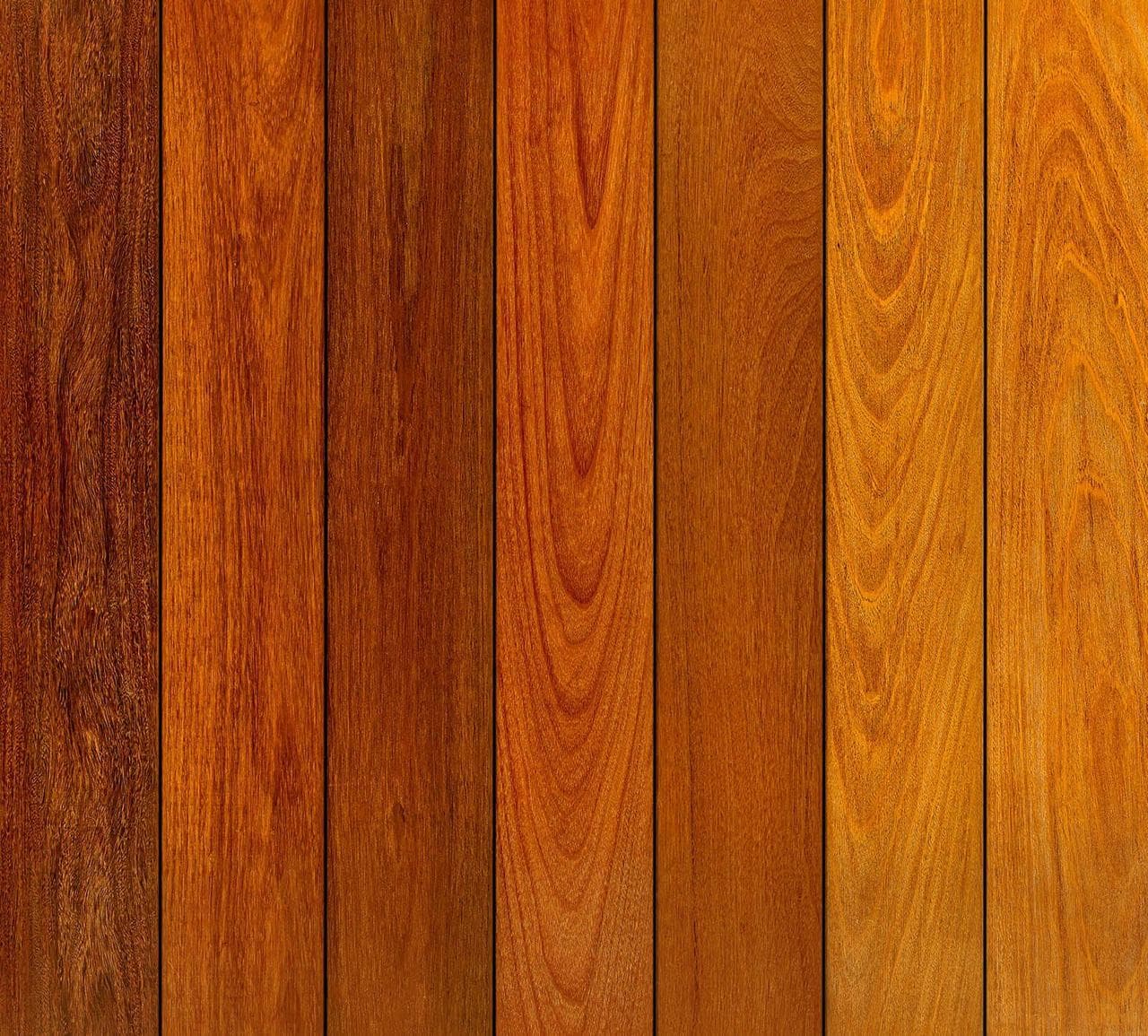
In hospitality, visual consistency across all guest-facing areas is important for brand identity and perceived quality. Ipe decking's color range, from reddish-brown to olive-brown, offers a natural palette that can complement various architectural styles. When planning a large-scale project, selecting Ipe boards with consistent coloration and grain patterns can help achieve a uniform appearance across different sections of the outdoor space. This consistency contributes to a cohesive and polished look that guests often appreciate.
The feel of the deck underfoot also impacts guest experience. While Ipe is a hard material, its smooth finish, when properly installed and maintained, offers a comfortable surface for walking. For areas where guests might be barefoot, such as around a pool or spa, this tactile quality is particularly relevant. The natural resistance to warping after moisture exposure means the deck surface can remain even, reducing potential tripping hazards and maintaining a high standard of safety.
Consider how the decking will integrate with other design elements, such as outdoor furniture, lighting, and landscaping. The rich tones of Ipe can serve as a strong base, allowing other design features to stand out while providing a luxurious backdrop. Planning for visual flow and material harmony helps create an inviting and memorable outdoor environment for guests.
Planning for High Traffic and Durability
Hospitality outdoor spaces often experience significant foot traffic, requiring materials that can endure constant use without rapid deterioration. Ipe is recognized for its durability. Its density contributes to its ability to resist wear and tear from consistent pedestrian activity. This is particularly relevant for areas such as restaurant patios, hotel entrances, and common gathering spaces where the deck surface is regularly traversed by guests and staff.
The natural resistance of Ipe to rot, insects, and mold also supports its use in high-traffic commercial settings. This resistance helps minimize the need for frequent chemical treatments, simplifying maintenance protocols. For hospitality operations, reducing chemical use can be a consideration for both environmental reasons and guest comfort.
When planning for durability, consider the specific use of each area. For example, a pool deck might require greater resistance to moisture and UV exposure, while a dining patio needs a surface that can withstand spills and frequent cleaning. Ipe's inherent weather resistance means it can perform across these varied conditions, provided installation and ongoing care follow recommended guidelines. Proper installation, including adequate ventilation, is essential to maximize the material's lifespan and maintain its structural integrity under heavy use.
Maintenance Considerations for Commercial Settings
Effective maintenance planning is critical for hospitality properties to preserve their assets and ensure a positive guest experience. Ipe decking is often described as low maintenance, but specific care routines are necessary to preserve its appearance and extend its life. If left untreated, Ipe will naturally weather to a silvery-gray patina. For hospitality spaces that aim to retain the wood's original reddish-brown to olive-brown color, regular application of a UV-blocking sealer is recommended.
Cleaning is another important aspect of maintenance. Regular cleaning helps remove dirt, debris, and any spills that may occur in a commercial setting. It is important to use cleaning products that are compatible with Ipe wood to avoid damage. Establishing a routine cleaning schedule can prevent accumulation and maintain the deck's aesthetic appeal.
The frequency of sealing and cleaning will depend on factors such as sun exposure, rainfall, and the level of foot traffic. For a high-visibility hospitality area, a more frequent maintenance schedule might be appropriate to ensure the deck consistently presents its best appearance. Consulting with a professional installer or material supplier can help develop a tailored maintenance plan that aligns with the property's operational needs and aesthetic goals.
For example, a busy rooftop bar deck may require more frequent cleaning and sealing than a secluded garden patio, due to differing exposure to elements and guest activity.
Worked Example: Designing a Hotel Courtyard Deck
Consider a hypothetical hotel in a warm climate that wants to upgrade its central courtyard with a new Ipe deck to serve as a lounge and event space. The courtyard measures 40 feet by 25 feet, totaling 1,000 square feet. The design calls for a consistent aesthetic, easy pedestrian flow, and a surface that can accommodate various furniture arrangements.
For this project, the hotel opts for 1x6 inch (nominal) Ipe decking boards. These boards are typically supplied in random lengths, but for a commercial project, specifying a preference for longer boards (e.g., 12-20 feet) can help minimize seams and create a more continuous look. Let's assume the actual dimensions of the boards are 0.75 inches thick by 5.5 inches wide.
To calculate the material needed, we first determine the linear feet of decking required. Each 5.5-inch wide board covers 0.458 feet of width. For a 25-foot width, approximately 55 boards would be laid side-by-side (25 feet / 0.458 feet per board). Over a 40-foot length, this means 55 boards * 40 feet/board = 2,200 linear feet. Accounting for waste (typically 10-15% for cuts, defects, and future repairs in a commercial setting), the hotel would need approximately 2,420 to 2,530 linear feet of Ipe decking. This calculation is for coverage; the actual purchase quantity will be based on available board lengths to optimize cuts and minimize waste, often requiring more than the exact linear foot calculation.
The deck design also includes a picture-frame border using the same Ipe material for a refined edge finish. This border would run along the perimeter of the 40x25 foot area. For the two 40-foot sides and two 25-foot sides, an additional 130 linear feet of border material would be needed (2 * 40 + 2 * 25 = 130 linear feet). If the border uses two boards side-by-side, this would double. This material would also need to be factored into the waste calculation.
Installation would involve hidden fasteners to maintain a smooth, uninterrupted surface, which is preferable for guest comfort and aesthetic appeal in a hospitality setting. A professional installer would be critical for ensuring proper spacing, ventilation beneath the deck, and adherence to structural requirements. This detailed planning helps ensure the final deck meets the hotel's operational and design standards.
Before you order
- Verify project budget and timeline for Ipe material and professional installation.
- Confirm the desired aesthetic: natural weathering to gray or maintained original color with UV-blocking sealer.
- Assess expected foot traffic and specific use cases for different deck areas (e.g., dining, lounging, pool surrounds).
- Review available Ipe profiles and lengths to optimize for layout and minimize seams.
- Plan for adequate ventilation beneath the deck to ensure material longevity.
- Confirm fastener type (hidden vs. face-fastened) based on aesthetic and structural requirements.
- Develop a detailed maintenance plan, including cleaning schedules and sealing frequency.
- Coordinate with architects, designers, and installers for consistent material selection and execution.
Confirm installation details, approved uses and warranty terms in the current instructions for the exact product and profile. Your installer should verify the substrate, structure and applicable project requirements.
Questions to help you decide
Why choose Ipe for a hospitality deck?
Ipe is often chosen for hospitality decks due to its natural durability, resistance to wear and tear from high foot traffic, and its aesthetic appeal. It offers a sophisticated appearance that can enhance guest spaces, and its natural resistance to rot and insects simplifies maintenance, contributing to long-term value for commercial properties. It also maintains stability well after installation.
Does Ipe decking require special maintenance in high-traffic areas?
While Ipe is considered low maintenance, high-traffic hospitality areas will benefit from a consistent maintenance routine. This includes regular cleaning to remove dirt and spills, and if you wish to preserve its original rich color, periodic application of a UV-blocking sealer is recommended. The frequency of sealing will depend on sun exposure and traffic levels, so a tailored plan is advisable.
How does Ipe's appearance change over time in a commercial setting?
If left untreated, Ipe decking in a commercial setting will naturally weather to an elegant silvery-gray patina. This process occurs gradually due to sun and weather exposure. If the original reddish-brown to olive-brown color is preferred, applying a UV-blocking sealer periodically can help maintain its initial appearance. Both weathered and oiled finishes can offer a distinct aesthetic for hospitality spaces.
Ready to Plan Your Hospitality Ipe Deck?
Request a material quote with your project dimensions, exact profile, and ZIP code to confirm current availability and service options. Our team can help you select the right Ipe decking for your commercial outdoor space.
Request a material quote →