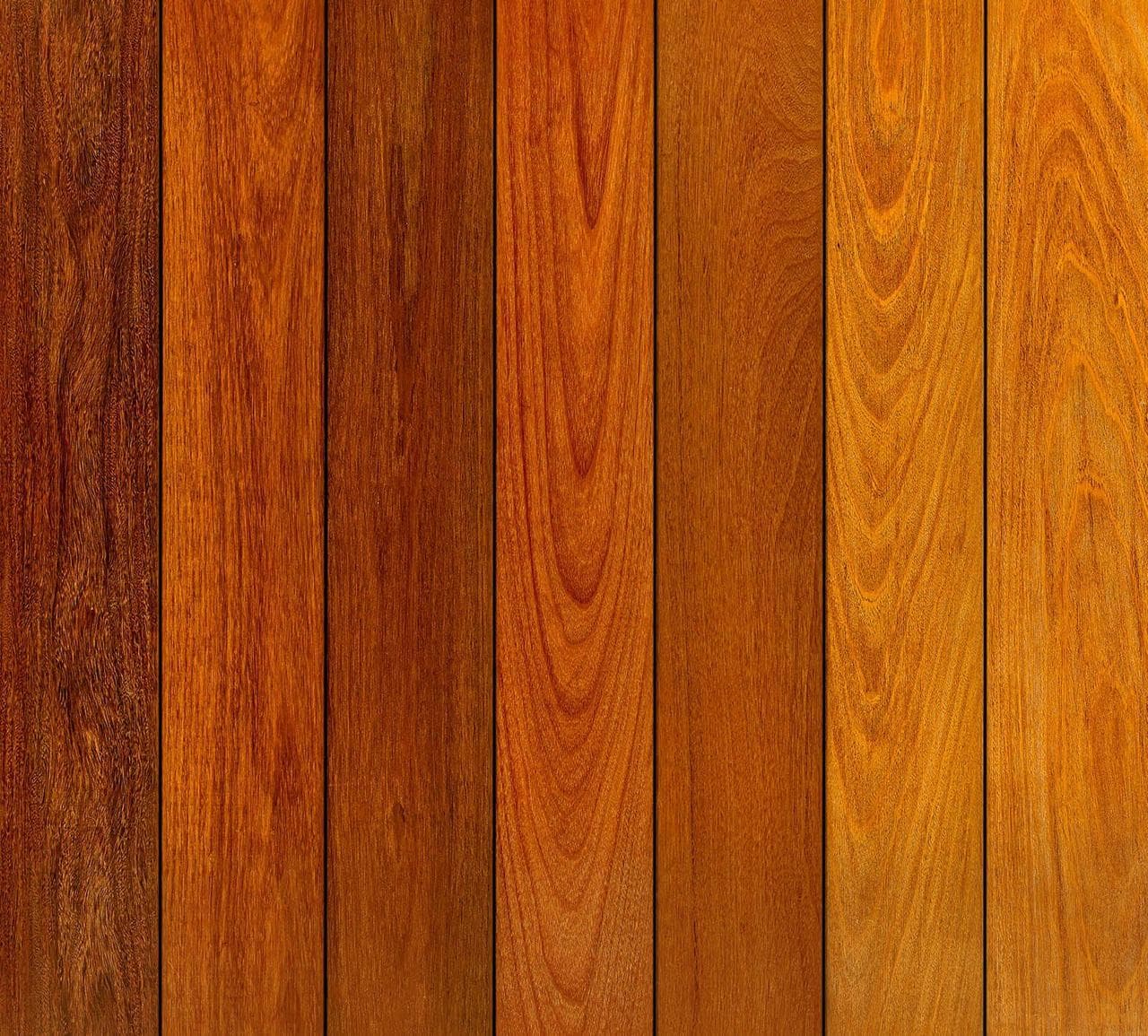
Understanding Grooved vs. Square-Edge Ipe Decking
The primary factor in selecting hidden fasteners is the edge profile of your Ipe decking boards. Ipe is available in both grooved and square-edge profiles. Grooved boards are specifically designed to accommodate hidden fastening systems, featuring a continuous groove routed along both edges of the board. These grooves typically receive clips that attach to the joists, holding the board in place without visible fasteners.
Square-edge Ipe boards, on the other hand, do not have pre-routed grooves. If you opt for square-edge boards, you will either need to route the grooves yourself (which requires specialized tools and precision) or select a hidden fastening system designed to work with square-edge material, which often involves cutting a kerf into the board edge or using a system that attaches to the underside of the board. Routing grooves on site adds labor and potential for inconsistency, so pre-grooved Ipe boards are often preferred for hidden fastener applications.
Types of Hidden Fastener Systems for Ipe
Several types of hidden fastening systems are available, each with its own installation method and compatibility requirements. The most common types for Ipe decking include:
Lateral Fasteners (Grooved Board Systems): These systems typically involve clips that slide into the pre-routed grooves of Ipe boards. The clips are then fastened to the top of the joists, securing the board. These systems are popular for their straightforward installation and consistent spacing. They are designed to allow for the natural expansion and contraction of the Ipe wood.
Edge-Mount Fasteners (Square-Edge Systems): For square-edge Ipe, some systems use a specialized bit to create a kerf (a narrow cut) in the edge of the board, into which a fastening clip is inserted. Another type involves fasteners that attach to the side of the joist and grip the underside of the deck board.
Under-Board Fasteners: These systems attach directly to the underside of the deck board and then to the joist. They are less common for Ipe due to its density but can be used with specific products designed for dense hardwoods. These often require access to the underside of the deck during installation.
Compatibility with Ipe's Density and Movement
Ipe is a dense hardwood, known for its minimal movement post-installation (Source S1). However, all wood expands and contracts with changes in moisture. A suitable hidden fastener system for Ipe must accommodate this natural movement without putting undue stress on the boards or fasteners. Systems that allow for slight lateral movement are generally preferred.
The high density of Ipe also means that pilot holes are essential for any screw penetration, even with self-tapping screws. The fasteners themselves should be made of corrosion-resistant materials, such as stainless steel, to prevent staining of the Ipe and ensure long-term integrity, especially in outdoor environments.
Considerations for Joist Spacing and Substructure
The type of hidden fastener you choose may also be influenced by your joist spacing and the overall substructure. Some hidden fastener systems require specific joist spacing to ensure proper support and fastening. Always consult the fastener manufacturer's installation guidelines to verify compatibility with your framing dimensions.
Ensure your substructure is level and properly constructed to support the Ipe decking and the chosen fastener system. Irregularities in the substructure can lead to uneven board spacing or improper fastener engagement, compromising the deck's stability and appearance.
Worked Example: Calculating Hidden Fastener Needs for a Grooved Ipe Deck
Let's consider a hypothetical deck project measuring 10 feet by 12 feet, using 5/4" x 6" grooved Ipe decking boards.
1. Deck Area: 10 ft x 12 ft = 120 square feet.
2.
3. Number of Boards Across 10 ft Width: 10 ft = 120 inches. 120 inches / 5.5 inches/board ≈ 21.8 boards. Round up to 22 boards to ensure full coverage.
4. Each board will span multiple joists, requiring fasteners at each joist intersection.
5.
6.
Before you order
- Verify Ipe board profile: Grooved or Square-Edge?
- If square-edge, confirm if on-site grooving or a specific square-edge fastener system is planned.
- Check fastener system compatibility with Ipe's density and potential movement.
- Ensure fasteners are corrosion-resistant (e.g., stainless steel).
- Review fastener manufacturer's guidelines for joist spacing and substructure requirements.
- Confirm the required spacing between boards for proper drainage and ventilation.
- Calculate the total number of fasteners needed based on deck dimensions and joist layout.
- Consider any specialized tools required for installation of the chosen fastener system.
- Plan for starter and end clips if specified by the fastener system.
Confirm installation details, approved uses and warranty terms in the current instructions for the exact product and profile. Your installer should verify the substrate, structure and applicable project requirements.
Questions to help you decide
Why are hidden fasteners often recommended for Ipe decking?
Hidden fasteners create a smooth, clean deck surface free of visible screws, which enhances the aesthetic appeal of Ipe. They also help minimize the risk of splitting or cracking the Ipe boards, which can occur with face-fastening due to the wood's density. Additionally, they often allow for natural expansion and contraction of the wood, promoting better long-term stability.
Can I use hidden fasteners with any Ipe board profile?
Not all hidden fasteners are compatible with every Ipe board profile. Most hidden fastener systems are designed for grooved Ipe boards, where clips slide into pre-routed channels. If you have square-edge Ipe, you will either need to route grooves into the boards yourself or select a specific hidden fastener system designed to work with square-edge material, which may involve cutting a kerf or using an under-board attachment.
What type of screws should I use with hidden fasteners for Ipe?
For hidden fastener systems, the screws provided by the fastener manufacturer are typically designed for optimal performance with their clips and your decking material. Pilot holes are almost always required when fastening into Ipe due to its extreme density.
Ready to Plan Your Ipe Deck Project?
Request a material quote with your project dimensions, desired Ipe profile (grooved or square-edge), and ZIP code. Confirm current availability and service options for Ipe decking and compatible hidden fasteners.
Request a material quote →