Understanding Ipe's Natural Color and Weathering
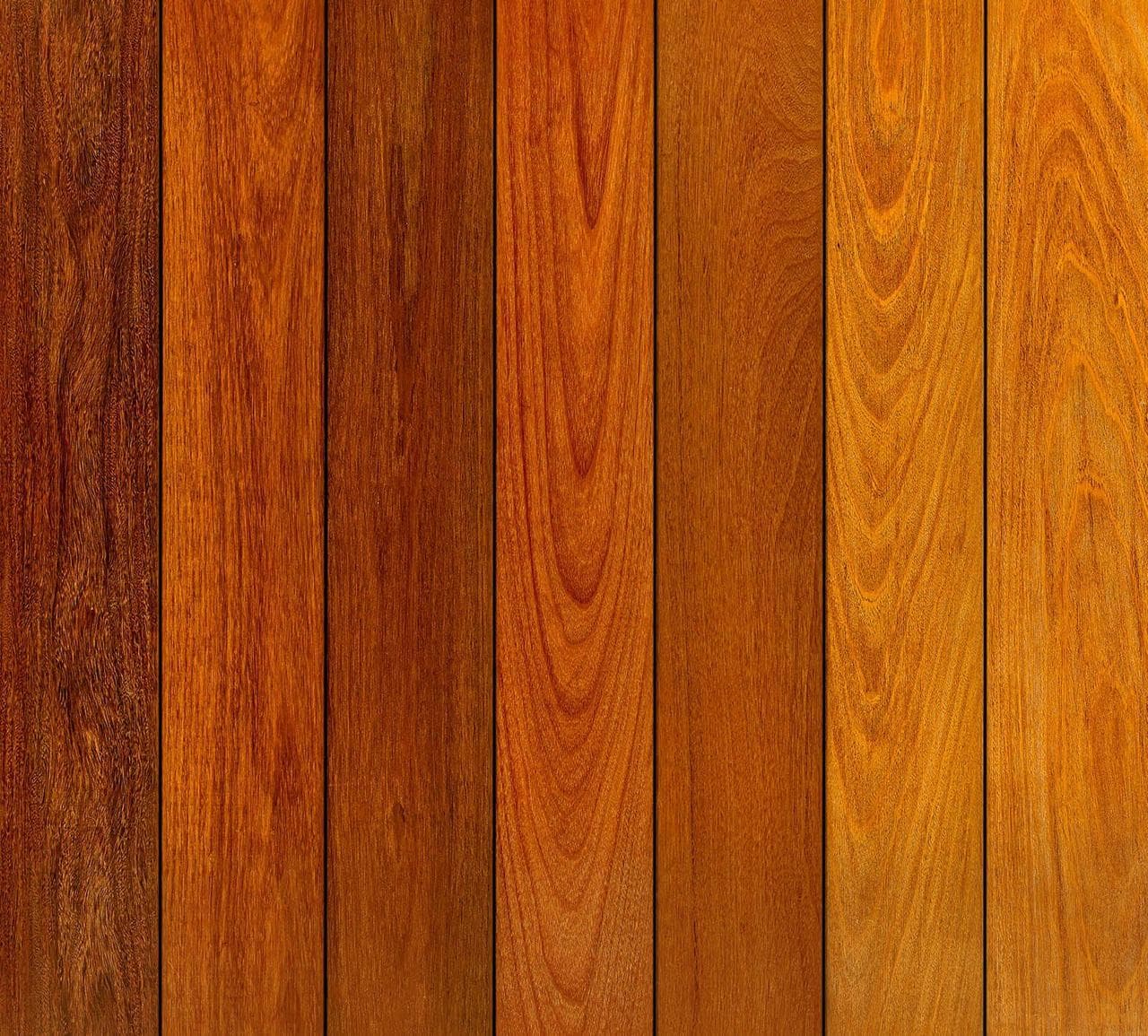
Ipe wood is renowned for its inherent beauty, displaying a spectrum of colors from reddish-brown to olive-brown when first installed. This natural coloration provides a luxurious, warm aesthetic that can enhance various architectural styles.
However, when exposed to the elements without a protective, UV-blocking finish, Ipe will gradually undergo a transformation. Over time, the sun's ultraviolet rays and environmental exposure will cause the wood to oxidize and lighten, developing a soft, silvery-gray patina. This weathered appearance is often sought after for its understated elegance and ability to blend seamlessly with natural landscapes or coastal settings. The process is gradual and contributes to a mature, established look for the deck.
It is important to note that this weathering is a surface change and does not diminish the wood's structural integrity or inherent resistance to rot, insects, and mold. Ipe's natural oils protect it from cracking or warping even when left untreated. Its density and stability mean minimal movement post-installation.
Achieving and Maintaining an Oiled Appearance
For those who prefer to preserve Ipe's original rich, warm hues, applying a UV-blocking oil or sealer is the recommended approach. These products penetrate the wood, enhancing its natural color and providing a barrier against the sun's bleaching effects. The result is a vibrant, deep reddish-brown or olive-brown deck that retains its 'new wood' appearance.
Maintaining an oiled Ipe deck requires periodic reapplication. The frequency depends on factors such as sun exposure, climate, and the specific product used. Typically, reapplication may be needed annually or every few years. This process usually involves cleaning the deck surface thoroughly before applying a fresh coat of oil. This commitment to maintenance is essential for preserving the desired color and protecting the wood from excessive drying.
When selecting an oil, look for products specifically formulated for dense hardwoods like Ipe. These oils are designed to penetrate effectively and offer UV protection without forming a film that could peel or flake.
Factors Influencing Your Decision
Several considerations can guide your choice between a natural weathered look and an oiled finish for your Ipe deck:
**Maintenance Commitment:** A naturally weathered Ipe deck requires less frequent maintenance focused on cleaning, whereas an oiled deck demands regular reapplication of finish to retain its color.
**Aesthetic Preference:** Do you prefer the subtle, muted tones of silver-gray that blend with nature, or the bold, vibrant character of freshly oiled Ipe?
**Project Location and Exposure:** Decks in direct, intense sunlight may weather more quickly. Coastal environments, with their unique blend of sun and salt air, can also accelerate the weathering process.
**Surrounding Architecture and Landscape:** Consider how the deck's appearance will complement your home's exterior, landscaping, and other outdoor features. A weathered look might suit a rustic or naturalistic design, while an oiled finish could enhance a contemporary or formal setting.
**Budget:** While Ipe is a premium material, the ongoing cost of purchasing and applying oils should be factored into the long-term budget for an oiled finish.
Worked Example: A 200 Sq Ft Deck
Consider a hypothetical 200 square foot Ipe deck for a suburban home. The homeowner envisions a space for outdoor dining and relaxation.
**Option 1: Natural Weathering** The homeowner decides to let the Ipe weather naturally. Initial installation involves securing the Ipe boards. No immediate finish application is needed. Over the first 6-12 months, the deck gradually shifts from its initial reddish-brown to a soft silver-gray. Annual maintenance will primarily involve cleaning to remove dirt, mildew, and any organic debris. This approach aligns with a desire for minimal upkeep and a natural aesthetic that harmonizes with the garden.
**Option 2: Oiled Appearance** The homeowner prefers to maintain the rich, deep tones of the Ipe. After installation, a high-quality UV-blocking Ipe deck oil is applied. This initial application enhances the wood's color. The homeowner commits to reapplying the oil every 12-18 months, depending on observation of color fading. Each reapplication involves a thorough cleaning, allowing the deck to dry, and then applying a new coat of oil. This choice demands a recurring time and material investment but ensures the deck retains its vibrant, luxurious appearance, complementing a more modern home exterior.
This example illustrates that the choice of finish dictates both the visual outcome and the ongoing maintenance schedule for the Ipe deck.
Complementary Products for Ipe Decking
Regardless of your chosen finish, several products can enhance your Ipe decking project:
**Deck Cleaners:** Specialized cleaners designed for hardwoods can help remove dirt, grime, and mildew, preparing the surface for oiling or simply refreshing a weathered deck. Choosing a product compatible with Ipe is crucial.
**End Grain Sealer:** Applying an end grain sealer to the cut ends of Ipe boards can help minimize checking and splitting, especially during the initial acclimation period. This is a good practice for both oiled and naturally weathered decks.
**Hidden Fasteners:** For a clean, uninterrupted surface, consider using hidden fastening systems. These systems secure the boards from the sides, leaving the top surface free of visible screws or nails. This can particularly enhance the aesthetic of a rich, oiled Ipe deck. Explore options for hidden fasteners for decking.
**Decking Screws:** If face-fastening is chosen, using high-quality stainless steel decking screws is essential for Ipe due to its density. Pre-drilling is almost always required. Stainless steel helps prevent staining and provides strong, lasting hold. Review available decking screws.
**Deck Tiles:** For smaller areas or temporary installations, Ipe deck tiles offer a convenient modular solution, often pre-finished and easy to install. Consider Ipe deck tiles for specific applications.
Before you order
- Do I prefer the natural silver-gray patina or the original reddish-brown/olive-brown tones?
- Am I willing to commit to regular reapplication of oil (typically annually or bi-annually) to maintain the original color?
- What is the sun exposure level of my deck area? (High sun exposure accelerates weathering and may require more frequent oiling)
- How does the chosen finish aesthetic complement my home's architectural style and surrounding landscape?
- Have I factored the cost of oils and cleaning products into my long-term project budget?
- Have I considered end-grain sealing for cut ends, regardless of the overall finish choice?
- Will I be using hidden fasteners for a cleaner look, or face-fastening which may influence the visual impact of the finish?
Confirm installation details, approved uses and warranty terms in the current instructions for the exact product and profile. Your installer should verify the substrate, structure and applicable project requirements.
Questions to help you decide
Can I change my mind later if I let my Ipe deck weather?
Yes, it is possible to restore a weathered Ipe deck to its original color. This typically involves a thorough cleaning, sometimes with a deck brightener, followed by sanding to remove the oxidized surface layer, and then applying a UV-blocking oil. This process is more labor-intensive than simply re-oiling a deck that has been consistently maintained.
Does leaving Ipe untreated affect its lifespan or durability?
No, leaving Ipe untreated and allowing it to weather to a silvery-gray patina does not significantly impact its exceptional lifespan or durability. Ipe is naturally resistant to rot, insects, and mold, and its natural oils protect it from cracking or warping. The weathering process is primarily a surface aesthetic change. However, regular cleaning is still recommended to prevent mildew and dirt buildup.
What kind of oil should I use for Ipe decking?
When choosing an oil for Ipe decking, look for products specifically formulated for dense hardwoods. These are often penetrating oils, sometimes referred to as deck stains or sealers, that contain UV inhibitors to protect against sun damage. Avoid film-forming finishes like varnishes, as they can peel or flake on dense woods. Always follow the manufacturer's instructions for application and reapplication.
Ready to Plan Your Ipe Decking Project?
Request a material quote with your project dimensions, desired Ipe profile, and ZIP code to confirm current availability and service options. Our team can help you select the right Ipe for your aesthetic goals.
Request a material quote →