Understanding Ipe Fascia and Trim
Fascia boards are typically installed vertically along the perimeter of the deck frame, covering the rim joists and the exposed ends of the main decking boards. This creates a neat, finished edge and protects the substructure from the elements. Ipe, known for its density and durability, is an excellent choice for fascia due to its resistance to weathering, rot, and insects. It is a dense, durable hardwood native to South America, often used for projects requiring longevity and resilience.
Beyond standard fascia, various trim profiles can be used to add decorative details, cap railings, or create seamless transitions. The goal is to select profiles that not only complement the main decking but also provide the necessary functional and aesthetic benefits for your specific deck design.
Common Ipe Fascia Profiles and Sizes
Ipe decking is available in a variety of dimensions, and many of these can be adapted for fascia use. The choice of profile depends on the depth of your deck frame and the desired visual impact.
For a clean, minimalist look, a simple flat board works well. If you have a deeper rim joist, you might consider wider Ipe boards or multiple narrower boards to achieve full coverage. Lumber Plus offers Ipe in dimensions ranging from 1"x2" through 6"x6", with lengths from 3 to 24 feet, providing flexibility for various fascia and trim applications.
Coordinating Appearance: Color and Grain
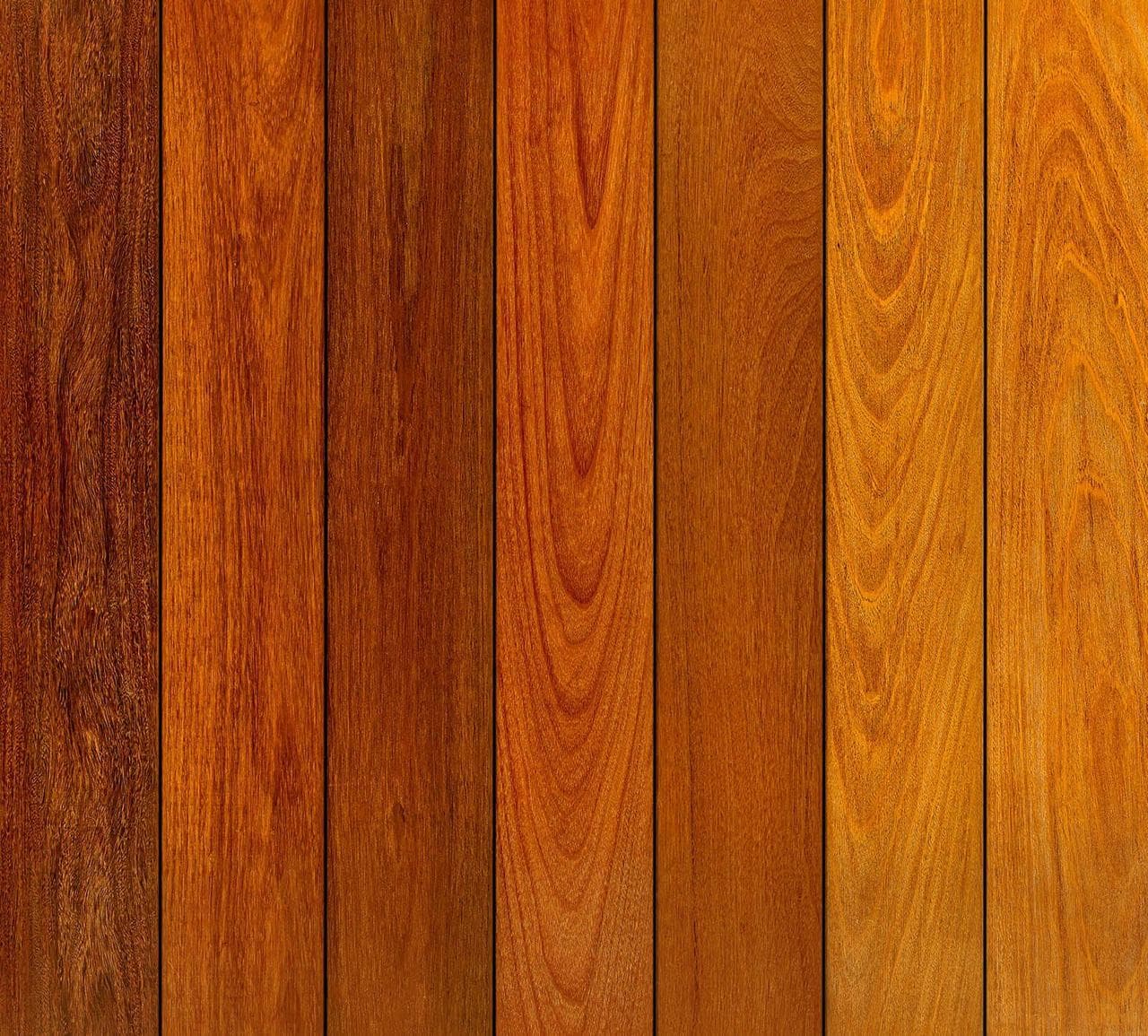
Ipe wood ranges from reddish-brown to olive-brown. When selecting fascia and trim, consider how the natural color and grain patterns will integrate with your main decking. While Ipe naturally weathers to a silvery-gray patina if left untreated, many choose to apply a UV-blocking sealer to preserve its original color. Ensure that your fascia and trim are from the same species and ideally from the same batch to minimize significant color variations.
Discuss your preference for color consistency or natural variation with your supplier. If you plan to apply a finish, be aware that the finish will enhance the wood's natural tones and help unify the appearance of all Ipe components.
Fastening Ipe Fascia and Trim
Due to Ipe's density, specialized tools and techniques are often required for installation. When fastening fascia boards, pre-drilling pilot holes is crucial to prevent splitting the wood. Stainless steel fasteners are recommended for outdoor Ipe applications to avoid staining and ensure long-term durability. Face-fastening is common for fascia, using screws that are countersunk and potentially plugged with matching Ipe plugs for a seamless look.
For trim pieces, hidden fasteners or adhesives designed for exterior hardwood applications may be suitable, depending on the specific profile and installation method. Always follow manufacturer guidelines for fastening to ensure structural integrity and a lasting finish.
Worked Example: Calculating Ipe Fascia for a Deck
Let's consider a hypothetical deck project: a rectangular deck measuring 12 feet by 16 feet, with one side against a house, requiring fascia on three exposed sides.
We plan to use 1x10 Ipe boards for the fascia. The total linear footage for the fascia will be: 16 feet (front) + 12 feet (side 1) + 12 feet (side 2) = 40 linear feet.
If Ipe boards are available in 10-foot and 12-foot lengths, we could order: four 10-foot boards (total 40 linear feet). This allows for minimal waste. Always add a small percentage (e.g., 10-15%) for cuts, waste, and unforeseen issues. For this project, ordering five 10-foot boards (50 linear feet) would provide a safer buffer. Remember to specify square-edge profiles for fascia applications, as grooved boards are typically for hidden deck fastening.
Before you order
- Determine the total linear footage of exposed deck perimeter requiring fascia.
- Measure the depth of your deck's rim joists to select an appropriate fascia board width.
- Choose between standard Ipe boards or specific trim profiles for fascia.
- Decide on the desired aesthetic: natural weathered gray or maintained original color with a UV-blocking sealer.
- Verify the availability of Ipe boards in suitable lengths to minimize waste.
- Plan for appropriate fastening methods, including pre-drilling and stainless steel screws.
- Consider ordering an additional 10-15% of material for cuts and waste.
- Review your entire Ipe order to ensure all decking, fascia, and trim components are coordinated.
Confirm installation details, approved uses and warranty terms in the current instructions for the exact product and profile. Your installer should verify the substrate, structure and applicable project requirements.
Questions to help you decide
Can I use regular Ipe decking boards as fascia?
Yes, standard Ipe decking boards can often be used as fascia, provided their dimensions are suitable for covering your deck's rim joists. For example, a 1x6 or 5/4x6 board can work well depending on the depth of the substructure. Ensure you order square-edge boards for fascia applications.
How do I match the color of my Ipe fascia to the main deck?
Ipe wood naturally ranges from reddish-brown to olive-brown. To achieve the most consistent look, source your fascia and decking from the same supplier and, if possible, from the same production batch. If you plan to oil your deck, applying a UV-blocking sealer to both the decking and fascia will help maintain a uniform color and prevent the wood from weathering to a silvery-gray patina at different rates.
What type of fasteners should I use for Ipe fascia?
Due to Ipe's density, pre-drilling pilot holes is essential to prevent splitting. Stainless steel screws are highly recommended for fastening Ipe fascia, as they resist corrosion and will not stain the wood over time. Countersinking the screws and using matching Ipe plugs can create a cleaner, more finished appearance.
Ready to Plan Your Ipe Decking Project?
Request a material quote today. Provide your project dimensions, desired Ipe profiles for both decking and fascia, and your ZIP code to confirm current availability and service options for your location.
Request a material quote →